More than 120 midwives and maternity staff at Basildon University Hospital, including over 80 Royal College of Midwives (RCM) members, have won almost £750,000 after breathing in nitrous oxide at work at up to 30 times the legal limit.
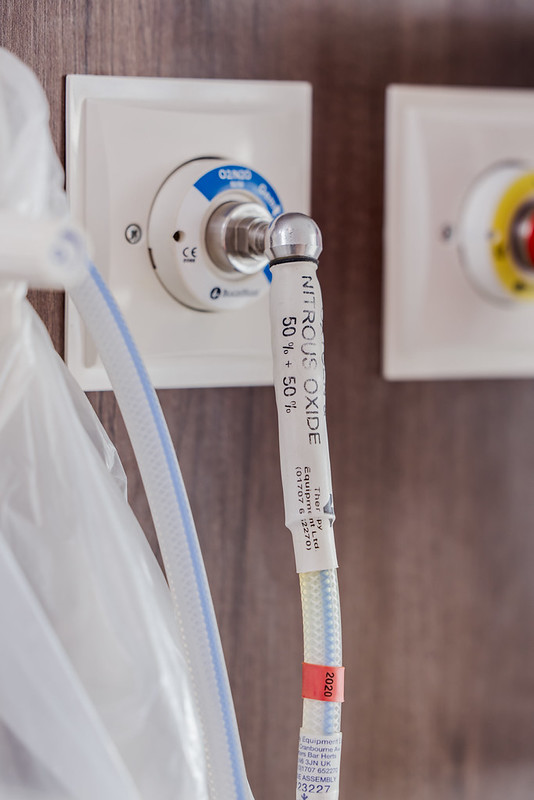
Staff were exposed to high levels of the gas – widely used for pain relief in labour – over a prolonged period between 2021 and 2023, due to poor ventilation on the maternity unit and leaking gas lines and equipment.
Tests in June 2021 identified dangerous levels, but staff weren’t informed until October 2022 and it wasn’t until 2023 that measures to reduce exposure and protect workers were introduced – including improved ventilation and guidance on taking regular breaks.
Many midwives and maternity staff reported symptoms including fatigue, anxiety, headaches and ‘brain fog’.
Nitrous oxide is the main component of gas and air (Entonox). The RCM is clear that it is safe for women and that the risk to staff came from conditions on the maternity unit over a sustained period, not the pain relief itself.
After Thompsons Solicitors, working with RCM, took legal action on behalf of more than 120 workers, including over 80 RCM members, Mid and South Essex NHS Foundation Trust admitted exposing staff to dangerously high levels of the chemical.
A settlement of almost £750,000 has now been agreed, making this the largest group action ever brought by midwives in the UK. It also comes as the RCM marks 50 years as a trade union.
Gill Walton, Chief Executive and General Secretary of the RCM, said: “For years, midwives at Basildon were breathing in nitrous oxide at dangerous levels while they cared for women and babies. Even once the problem had been discovered, it was more than a year before staff were told. That is simply not acceptable and no midwife should ever be treated that way.
“This is a landmark settlement for our members and it should make every NHS employer sit up and take notice. If you don’t protect your staff – the RCM will hold you to account.
“When this came to light, we promised our members we would get justice for them and I’m proud that we have. They deserve enormous credit for standing together and seeing this through.”
Women use gas and air for a short time during birth, whereas staff can be exposed over long shifts, year after year. The RCM supported the claim partly to make sure gas and air can be used without putting staff at risk, so it stays available to every woman who wants it.
Gill added: “We want to be absolutely clear to women and families – gas and air is safe and remains an important choice of pain relief during labour. This case was about the conditions midwives were working in, not the gas itself.”
As well as supporting members throughout the legal claim, the RCM wrote to every NHS Trust in England to make them aware of the risks. It also raised concerns about the Trust’s lack of action with the Health and Safety Executive (HSE), which issued a notice of contravention against the Trust. The RCM has since worked directly with the HSE to update and improve guidance on the use of Entonox.
Daniel Poet, Partner and Disease specialist at Thompsons Solicitors, who represented the workers, said: “We’re proud to have secured compensation for our clients, but they should never have been put at risk in the first place.
“The Trust knew about the dangers in 2021, but staff weren’t told until the following year and it took another year for safety measures to be introduced. That delay is unacceptable.
“Lessons need to be learned. This is about protecting workers today and for generations to come. Staff must be able to trust that their health and safety comes first.”
Gill Walton added: “No settlement can fix the crumbling buildings midwives are working in across the UK. Too many are still working in units with failing ventilation, leaking equipment and outdated facilities. Our members continue to report recurring problems with ventilation and clean air systems and we are taking these up at local level. They must be fixed, in Basildon and in every maternity service across the UK.
“Safe workplaces mean safe care. The Government must invest urgently to bring maternity buildings up to standard. We will not stop until every midwife can go to work without fearing for their health.
“As we mark 50 years as a trade union, this case shows exactly why the RCM exists – to stand by our members when things go wrong and to keep fighting until they are put right.”
Anyone concerned about chemical exposure at work should raise it with their union representative or employer in the first instance and get legal advice if their concerns are not addressed.
Daniel Poet from Thompsons added: “Monitoring exposure levels should be routine in maternity settings. While we believe these extreme levels were confined to this one hospital, the case highlights why employers must act – and act fast – when warning signs emerge. If they fail to protect their workforce, they can expect unions to stand up for their members and Thompsons to hold them legally to account.”