Maternity services must be part of plans to improve women’s health in Northern Ireland, the RCM has told health leaders at a major conference in Belfast.
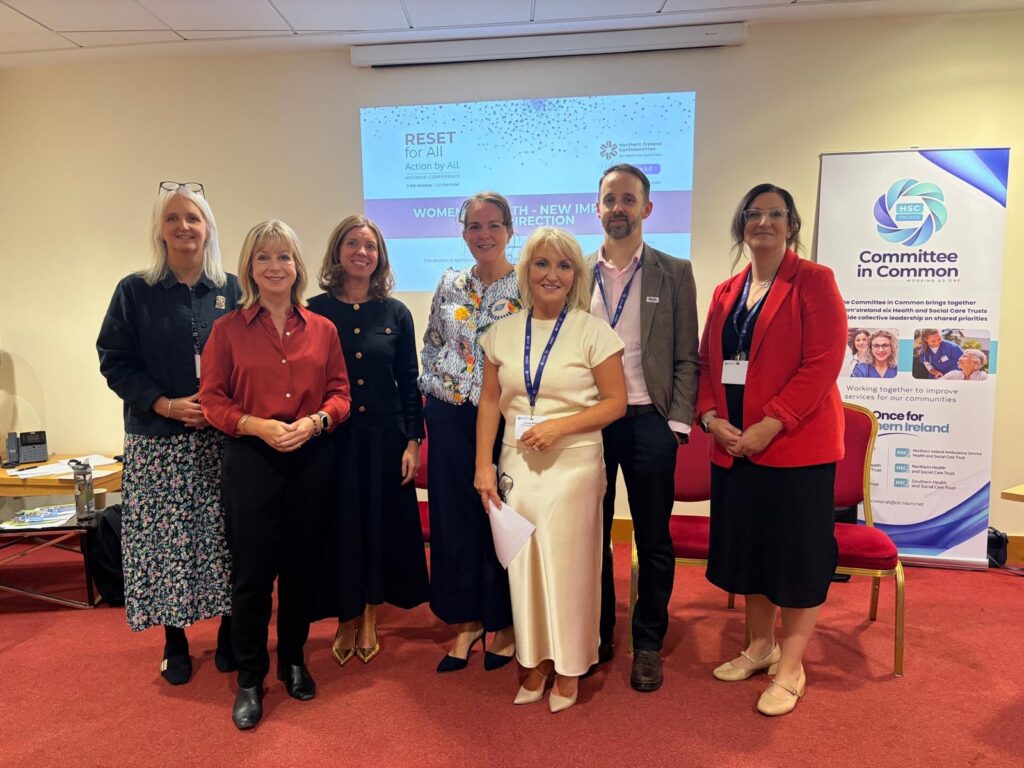
RCM Northern Ireland Director Dr Dale Spence was speaking at NICON26 today (8 October), where she joined a panel discussing women’s health and what needs to change.
The discussion comes ahead of the Department of Health’s Women’s Health Action Plan, which is expected to be published in the coming weeks.
Dale said: “Quite simply, we cannot talk about women’s health without talking about maternity. Pregnancy, birth and the postnatal period are one of the most significant and consequential phases of a woman’s life and it’s critical we get that care right for women and families across Northern Ireland. Maternity care must sit at the heart of women’s health and any plans going forward.
“We also need to be mindful of the pressures maternity services are under. Midwives and maternity support workers are working under immense pressure, but staffing matters. If we are serious about improving care and outcomes for women and babies, we have to make sure we have the workforce to do it.
“The Women’s Health Action Plan is coming at an important time. Women across Northern Ireland have shared their experiences and told us what they need. We now need to see what they have said, reflected in what happens next. Women’s voices should undoubtedly sit at the heart of maternity care.’’
The Women’s Health – New Impetus, New Direction session included representatives from the Department of Health, Queen’s University Belfast, Derry Well Women, primary care and other parts of the health service.
It followed a major listening exercise led by Queen’s University Belfast and Derry Well Women, which asked women about their experiences of healthcare and their priorities for change.
NICON26 is one of the biggest events in Northern Ireland’s health and social care calendar, bringing together people from across HSC over two days.
This year’s conference speakers included the Minister of Health, Robbie Butler, and Professor Rafael Bengoa, who chaired the expert panel behind the 2016 Systems, Not Structures report on the future of health and social care in Northern Ireland. The report went on to shape much of the debate around reforming services over the past decade.
Dale added: “It’s important that the RCM is in the room for big conversations like this. Maternity services must feature as a headline priority in the Department’s Women’s Health Action Plan. RCM welcomed the opportunity to contribute to this major conference and we made it clear that maternity most not be an afterthought but front and central when it comes to women’s health.
“There are many challenges across health and social care in Northern Ireland, but with that comes opportunity. We’ll continue to make the case for maternity and ensure the voices and experiences of our members and the women and families they care for are heard.”
Image shows the NICON26 panel, including RCM Northern Ireland Director Dr Dale Spence (centre).