welcome
Student conference 2026
The student midwife journey
Join us to connect with student midwives from across the UK, meet the RCM team, and expand your professional network.
The student midwife journey is a powerful celebration of growth, resilience, and purpose. It marks a transformative path from the foundations of classroom learning to the realities of hands-on clinical practice where knowledge is enriched by compassion and care.
This conference brings that journey to life, creating a space where experiences are shared, stories inspire, and expert voices guide the way forward. Together, we explore the challenges, triumphs, and defining moments that shape future midwives.
Join us as we empower the next generation to step confidently into their roles—grounded in skill, driven by empathy, and committed to making a meaningful difference in the lives of women and families.
Registration, marketplace, refreshments and networking
Welcome and introductions
- Maureen Labi SMF Chair
- Nana Yaa Karikari Asante, SMF Vice Chair
- Student Midwife Forum
Resources
Internationally educated midwives, shaping your future
- Amata Boyorbor
- Nasheka Harrison
This engaging session explores the experiences of two internationally educated midwives, Amata and Nasheka, and their journeys into UK midwifery practice from Ghana and Jamaica.
Drawing on their training and professional experience in their home countries, they will share the valuable skills, knowledge and perspectives they bring to their roles within the UK maternity workforce. The session will highlight how different models of care, cultural approaches and clinical experiences have shaped their practice, as well as the transferable expertise that enriches maternity services.
Attendees will gain a greater understanding of the professional development journeys of internationally educated midwives and the significant contribution they make to the profession, helping to strengthen and diversify care for women, babies and families.
Resources
Break and exhibition
Workshops
Pick one of these workshops
Workshop 1: Raising your voices: Activism and the RCM
Lyndsey Wheeler & Jake Morris, Organiser, RCM
Join RCM Organisers to discover the role of activists in your local branch and how you can get involved. Key points that will be highlighted
- Working with Union Learning Representatives (ULRs) to identify learning needs, ideas, and requests
- Promoting learning opportunities within the branch
- Promote and raise awareness of branch funds available to students
- Support and participate in Student Celebration Day
- Promote Midsocs funding and grants
Workshop 2: Supporting families through memory-making
Bob McGurrell, Co-Founder & CEO, 4Louis
This session explores compassionate ways to support bereaved families through the creation of memory boxes for babies. It will highlight the different boxes available depending on their religious/cultural beliefs. Attendees will gain practical insights into sensitive communication, inclusive practices, and the emotional significance of memory-making, helping professionals offer meaningful support during an incredibly difficult time.
Workshop 3:
Starting strong: building research skills in midwifery
Sara Webb FRCM, Head of MIDIRS
This session focuses on building strong foundations in research skills exploring practical approaches to developing confidence in finding, appraising, and applying evidence to support high-quality, woman-centred care.
Resources
- i-learn, One chance to get it right: bereavement care (3.5 hours)
- i-learn, An introduction to clinical research in the NHS (25 minutes)
- i-learn, Exploring a career as a midwife or MSW researcher (30 minutes)
- i-learn, Embedding clinical research into practice (20 minutes)
- MIDIRS search pack: M104 Royal College of Midwives
- MIDIRS search pack: M9 Role and status of midwives
- MIDIRS search pack: M7 History and development of midwifery
- MIDIRS search pack: PN1 Perinatal bereavement (not miscarriage)
- MIDIRS search pack: P37 Miscarriage: bereavement and counselling
- MIDIRS search packs: M24 Research: the value of
- MIDIRS search packs:M78 Research: qualitative methods
- MIDIRS search packs: M59 Research: critical appraisal
- MIDIRS search packs: M60 Research: statistical methods
- MIDIRS search packs: M61 Research: ethical issues
- MIDIRS search packs: M25 Research: how to do it
Workshops
Pick one of these workshops
Workshop 4: Student midwives as future leaders
Facilitator: Maggie Kennerley
This session explores the vital role of student midwives as emerging leaders within maternity services. It will highlight how effective communication, advocacy, critical thinking, and teamwork can empower students to influence positive change in practice. Attendees will gain insight into nurturing confidence, embracing innovation, and supporting a culture of leadership from the outset of training, helping to shape a resilient and forward-thinking midwifery workforce.
Workshop 5: Nurturing confidence in breastfeeding support
Chrissy Walsh, Infant feeding support worker & Lactation Consultant, Chelsea and Westminster Hospital NHS Foundation Trust
Explore practical techniques to enhance knowledge, communication skills, and compassionate care, enabling midwives to empower families in their feeding choices. Attendees will gain insight into building trust, addressing common challenges, and delivering consistent, evidence-informed support, ultimately promoting positive breastfeeding experiences and improved outcomes for mothers and babies.
Workshop 6: Difficult conversations: Educate not Mutilate
Faiza Mughal Operations Manager and Hibo Wardere, Educational Lead Educate not Mutilate
This FGM workshop is survivor‑led and delivered through Educate Not Mutilate CIO. It is guided by Hibo Wardere, our Educational Lead and one of ENM’s founders. Hibo brings her lived experience and decades of advocacy to the session, offering powerful insight that makes the workshop both deeply personal and highly practical.
She explains what FGM is, why it happens, and the lasting impact it has on survivors, families, and communities. Alongside the cultural and social pressures that sustain the practice, Hibo explores the serious physical consequences from chronic pain and complications in childbirth to long‑term health risks. She also highlights the mental and emotional toll, including trauma, anxiety, and the challenges survivors face on their healing journey.
The workshop also covers the UK’s legal framework, the safeguarding responsibilities of schools and professionals, and clear, actionable steps for prevention, early identification, and survivor‑centred support. By the end of the session, participants leave with a grounded understanding of FGM, its physical and psychological impacts, and the crucial role each of us can play in ending it through education, advocacy, and survivor‑led change.
Resources
- ilearn: Female genital mutilation (40 minutes)
- MIDIRS search pack: M77 Leadership
- MIDIRS search pack: M21 Supervision of midwives
- MIDIRS search pack:PN5 Midwives and healthcare professionals: role in breastfeeding promotion and support
- MIDIRS search pack:L29 Female genital mutilation
- MIDIRS search pack: L6 Episiotomy and perineal management
- MIDIRS search pack: M70 Counselling skills for midwives
Lunch and exhibition
Workshops
Please pick one workshop to attend
Workshop 7: Caring for yourself while caring for others
Workshop 8: Supporting birth at home with confidence
Shelly Higgins & Liz Glyn Jones, Consultant Midwives, Powys Teaching Health Board.
This session explores how to support safe, personalised, and confident care for families choosing to give birth at home. It will focus on building midwives’ confidence in clinical decision-making, risk assessment, and emergency preparedness, alongside fostering trusting relationships with families. Attendees will gain practical insights into promoting physiological birth, working collaboratively across services, and delivering respectful, woman-centred care in the home setting.
Workshop 9: Dragon Den style pitches
A fast-paced, interactive ‘Dragon’s Den’ style session where student midwives present ideas, research, or quality improvement (QI) projects to a panel of expert ‘Dragons’. Presenters receive constructive feedback in a fun, but supportive environment
Resources
- ilearn: Personalised care (25 minutes)
- MIDIRS search pack: M70 Counselling skills for midwives
- MIDIRS search pack: M91 Coping and resilience in midwifery
- MIDIRS search pack: M28 Midwife led care
- MIDIRS search pack: M8 Models of care
- MIDIRS search pack: MS29 Home birth: choice and control
- MIDIRS search pack: MS5 Home birth: safety
- MIDIRS search pack: MS61 Home birth: protocols & guidelines
Sickle Cell
TBC
Break and exhibition
Birth Conversations
This session marks the launch of Birth Conversations, a new RCM toolkit setting out a framework for structured, compassionate postnatal discussions between midwives and women who have experienced a difficult or traumatic birth.
The guidance covers the principles that should underpin every birth conversation alongside practical recommendations on service planning, staff training, supervision, and equitable access for all women.
RCM’s quality and standards advisor Rachel Drain will leave students understanding what high-quality birth conversations should look like, and what needs to be in place to make it a reality.
Cancer support in pregnancy and beyond
Pete Wallroth, founder and CEO of Mummy’s Star, will share his personal and professional expertise with student midwives on supporting families affected by cancer during and around the perinatal period. Highlighting key guidelines and educational resources, Pete will offer practical insight to help students feel more confident as a first point of contact, equipping them to provide compassionate, informed emotional and practical support and contribute to more equitable care for women diagnosed with cancer.
Resources
Finding your feet: Reflections first 3 months after qualifying
- Sophie Dodd, SMF Wales
- Medbh Hillyard Nicholl, SMF Northern Ireland
- Emma Lavill, SMF Midlands & East
- Dawn Smith, SMF Scotland
This insightful session will hear from four members of the Student Midwife Forum (SMF) who have recently qualified as midwives. Through sharing their personal experiences, they will reflect on their journey from applying for their first midwifery role to navigating the first three months of practice as newly qualified midwives.
Representing different countries across the UK, the speakers will discuss the varied experiences, opportunities and challenges they encountered during the transition from student to registered midwife. They will share practical insights into recruitment, starting work in clinical practice, building confidence, and adapting to the responsibilities of the role.
Resources
Registration, marketplace, refreshments and networking
Birth trauma
Resources
The race to 40 births
This session will bring together student midwives and a newly qualified midwife from Wales, Scotland, Northern Ireland and England to share honest reflections on training, placement, support, confidence, pressures and the transition through each stage of study. Each speaker will give a short, personal contribution, helping delegates understand what student midwives are experiencing now, what is working well, where the challenges remain and what support would make the biggest difference
Resources
Break and exhibition
Workshops
Please pick one workshop to attend
Workshop 1: Raising your voices: Activism and the RCM
Lyndsey Wheeler and Jake Morris, Organisers, RCM
Join RCM Organisers to discover the role of activists in your local branch and how you can get involved. Key points that will be highlighted
- Working with Union Learning Representatives (ULRs) to identify learning needs, ideas, and requests
- Promoting learning opportunities within the branch
- Promote and raise awareness of branch funds available to students
- Support and participate in Student Celebration Day
- Promote Midsocs funding and grants
Workshop 2: Supporting families through memory-making
Madhuri Bedi, Outreach Coordinator for South Asian Communities, Sands
This session explores compassionate ways to support bereaved families through the creation of memory boxes for babies. It will highlight the different boxes available depending on their religious/cultural beliefs. Attendees will gain practical insights into sensitive communication, inclusive practices, and the emotional significance of memory-making, helping professionals offer meaningful support during an incredibly difficult time.
Workshop 3:
Starting strong: building research skills in midwifery
Sara Webb FRCM, Head of MIDIRS
This session focuses on building strong foundations in research skills exploring practical approaches to developing confidence in finding, appraising, and applying evidence to support high-quality, woman-centred care.
Resources
- i-learn, One chance to get it right: bereavement care (3.5 hours)
- i-learn, An introduction to clinical research in the NHS (25 minutes)
- i-learn, Exploring a career as a midwife or MSW researcher (30 minutes)
- i-learn, Embedding clinical research into practice (20 minutes)
- MIDIRS search pack: M104 Royal College of Midwives
- MIDIRS search pack: M9 Role and status of midwives
- MIDIRS search pack: M7 History and development of midwifery
- MIDIRS search pack: PN1 Perinatal bereavement (not miscarriage)
- MIDIRS search pack: P37 Miscarriage: bereavement and counselling
- MIDIRS search packs: M24 Research: the value of
- MIDIRS search packs:M78 Research: qualitative methods
- MIDIRS search packs: M59 Research: critical appraisal
- MIDIRS search packs: M60 Research: statistical methods
- MIDIRS search packs: M61 Research: ethical issues
- MIDIRS search packs: M25 Research: how to do it
Workshops
Please pick one workshop to attend
Workshop 4: Student midwives as future leaders
Facilitator: Maggie Kennerley
This session explores the vital role of student midwives as emerging leaders within maternity services. It will highlight how effective communication, advocacy, critical thinking, and teamwork can empower students to influence positive change in practice. Attendees will gain insight into nurturing confidence, embracing innovation, and supporting a culture of leadership from the outset of training, helping to shape a resilient and forward-thinking midwifery workforce
Workshop 5: Nurturing confidence in breastfeeding support
Chrissy Walsh, Infant feeding support worker & Lactation Consultant, Chelsea and Westminster Hospital NHS Foundation Trust
Explore practical techniques to enhance knowledge, communication skills, and compassionate care, enabling midwives to empower families in their feeding choices. Attendees will gain insight into building trust, addressing common challenges, and delivering consistent, evidence-informed support, ultimately promoting positive breastfeeding experiences and improved outcomes for mothers and babies.
Workshop 6: Difficult conversations: Educate not Mutilate
Faiza Mughal Operations Manager and Hibo Wardere, Educational Lead, Educate not Mutilate
This FGM workshop is survivor‑led and delivered through Educate Not Mutilate CIO. It is guided by Hibo Wardere, our Educational Lead and one of ENM’s founders. Hibo brings her lived experience and decades of advocacy to the session, offering powerful insight that makes the workshop both deeply personal and highly practical.
She explains what FGM is, why it happens, and the lasting impact it has on survivors, families, and communities. Alongside the cultural and social pressures that sustain the practice, Hibo explores the serious physical consequences from chronic pain and complications in childbirth to long‑term health risks. She also highlights the mental and emotional toll, including trauma, anxiety, and the challenges survivors face on their healing journey.
The workshop also covers the UK’s legal framework, the safeguarding responsibilities of schools and professionals, and clear, actionable steps for prevention, early identification, and survivor‑centred support. By the end of the session, participants leave with a grounded understanding of FGM, its physical and psychological impacts, and the crucial role each of us can play in ending it through education, advocacy, and survivor‑led change.
Resources
- ilearn: Female genital mutilation (40 minutes)
- MIDIRS search pack: M77 Leadership
- MIDIRS search pack: M21 Supervision of midwives
- MIDIRS search pack:PN5 Midwives and healthcare professionals: role in breastfeeding promotion and support
- MIDIRS search pack:L29 Female genital mutilation
- MIDIRS search pack: L6 Episiotomy and perineal management
- MIDIRS search pack: M70 Counselling skills for midwives
Lunch, exhibition and posters
Workshops
Please pick one workshop to attend
Workshop 7: Genomics
Workshop 8: Supporting birth at home with confidence
Paula Murray, Birth at Home Team Leader, Southern Health & Social Care Trust
This session explores how to support safe, personalised, and confident care for families choosing to give birth at home. It will focus on building midwives’ confidence in clinical decision-making, risk assessment, and emergency preparedness, alongside fostering trusting relationships with families. Attendees will gain practical insights into promoting physiological birth, working collaboratively across services, and delivering respectful, woman-centred care in the home setting.
Workshop 9: Dragon Den style pitches
A fast-paced, interactive ‘Dragon’s Den’ style session where student midwives present ideas, research, or quality improvement (QI) projects to a panel of expert ‘Dragons’. Presenters receive constructive feedback in a fun, but supportive environment
Resources
- ilearn: Genetics and genomics for midwifery practice (1 hour)
- MIDIRS search pack: M28 Midwife led care
- MIDIRS search pack: M8 Models of care
- MIDIRS search pack: MS29 Home birth: choice and control
- MIDIRS search pack: MS5 Home birth: safety
- MIDIRS search pack: MS61 Home birth: protocols & guidelines
- MIDIRS search pack: P203 Genomics
Break and exhibition
NMC Anti Racism Principles
The NMC published Anti Racism Principles in May 2026; these will be embedded into all nursing and midwifery programmes from September 2026. Tracey will outline the background to the principles and the rationale for their development. She will also talk about how they might be implemented into midwifery curricula using practical examples.
Resources
Beyond the NHS: Global midwifery and women’s health
- Alison Perry, Midwife & Researcher, The George Institute for Global Health
- Clare McCollum, Student Midwife, Queen's University Belfast
- Muminat Zubair, Midwife,
Resources
Reflections and conference close

4Louis is a UK charity that works across the country to support anyone affected by miscarriage, stillbirth and the death of a baby or child. We work to improve care bereaved families receive from healthcare and other professionals. We provide memory boxes and mementos to help families create lasting memories of their loved one. We provide useful tools, equipment, and training free of charge to hospital units and other professionals who work with grieving families. We understand that every family’s journey is unique, and we strive to improve the services given to families who have lost a baby or child.

BBC CBeebies Parenting is a website and service from BBC Children’s & Education, that provides evidence-based techniques, fun activities, tips and advice and child development content. We help empower parents / carergivers to support their child’s development, from bonding and attachment, to early speech, language and communication skills of their 0–4-year-olds in the home learning environment.
Our TikTok, Instagram, Facebook and WhatsApp channels help to maintain a close connection with our audience. It’s fun, supportive and provides daily comfort and gentle reminders to parents to keep supporting their little ones’ learning.
We have a dedicated section on the website for pre-natal and post-natal content by trimesters to share with families you work with. From packing a hospital bag, to establishing that all important skin to skin contact, we’ve got support every step of the way.
Rooted in academic research, BBC CBeebies Parenting has a positive, supportive speech and language message for families at its core; “talk to your little one from pregnancy – we’re here to show you how, and why it’s so important”.
BBC CBeebies Parenting has been developed in close collaboration with experts in the fields of Midwifery, Speech & Language, Health Visiting and Early Years.
Social media
Mummy’s Star is the only charity in the UK and Ireland dedicated to women and birthing people diagnosed with cancer during pregnancy, within 12 months of giving birth or who lose a baby in those time periods, and their families.
This is done through a range of activities:
- Advocacy on behalf of our families.
- Financial help
- Emotional support
- Peer connection
- Bereavement care
- Education, awareness and training
Social media
- Instagram: @mummys.star
- LinkedIn: Mummy’s Star
- Facebook: Mummy’s Star

The NIHR fund, enable and deliver world-leading health and social care research that improves people’s health and wellbeing, and promotes economic growth.
The NIHR Nursing and Midwifery vision is to inspire midwives and nurses to improve health outcomes through research. Their aim is to enable midwives and nurses who support, deliver or lead research to develop and work to their potential, and to develop a pipeline of skilled research midwives and nurses at all stages in their career.
Cancer support in pregnancy and beyond
Pete Wallroth
Founder & CEO,
Mummy’s Star
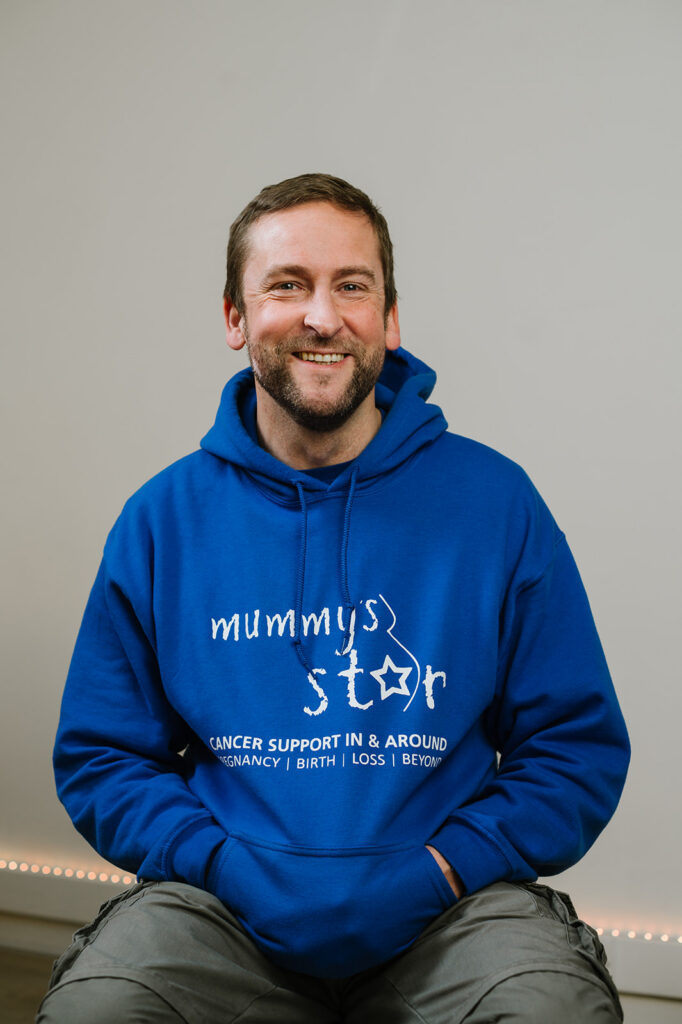
Pete Wallroth is the founder and CEO of Mummy’s Star, the UK and Ireland charity supporting women and birthing people diagnosed with cancer during pregnancy, within 12 months after birth, or following pregnancy or baby loss. He founded the charity in 2013 in memory of his late wife, Mair, whose experience shaped its mission: to ensure that no family faces cancer in and around pregnancy alone.
Pete is deeply committed to equity in maternity care, advocating for women and birthing people with cancer to receive the same informed choices during pregnancy as they would without a diagnosis. Through his work with universities, hospitals and cancer centres across the country, he shares case studies and examples of good practice that help improve support for the families Mummy’s Star works with every day.
His work brings together personal experience, frontline charity leadership and cross-sector collaboration, giving him a distinctive perspective on how services can respond more compassionately and consistently to families affected by cancer in and around pregnancy.
Pete is also a strong advocate for partners’ mental health, particularly for those supporting a seriously ill loved one or coping with grief. He challenges assumptions about the role of partners, especially fathers, in pregnancy, care and loss, and highlights the need for their experiences to be recognised as part of family-centred support.
Before founding Mummy’s Star, Pete spent a decade in housing and regeneration, delivering youth, health and environmental projects in some of Greater Manchester’s most deprived communities.
Pete lives with his wife, Nic, and their three children, Martha, Merlin and Flynn. Outside work, he is a keen wild swimmer and walker, and sports fan.
About Pete Wallroth
Pete Wallroth is the founder and CEO of Mummy’s Star, the UK and Ireland charity supporting women and birthing people diagnosed with cancer during pregnancy, within 12 months after birth, or following pregnancy or baby loss. He founded the charity in 2013 in memory of his late wife, Mair, whose experience shaped its mission: to ensure that no family faces cancer in and around pregnancy alone.
Pete is deeply committed to equity in maternity care, advocating for women and birthing people with cancer to receive the same informed choices during pregnancy as they would without a diagnosis. Through his work with universities, hospitals and cancer centres across the country, he shares case studies and examples of good practice that help improve support for the families Mummy’s Star works with every day.
His work brings together personal experience, frontline charity leadership and cross-sector collaboration, giving him a distinctive perspective on how services can respond more compassionately and consistently to families affected by cancer in and around pregnancy.
Pete is also a strong advocate for partners’ mental health, particularly for those supporting a seriously ill loved one or coping with grief. He challenges assumptions about the role of partners, especially fathers, in pregnancy, care and loss, and highlights the need for their experiences to be recognised as part of family-centred support.
Before founding Mummy’s Star, Pete spent a decade in housing and regeneration, delivering youth, health and environmental projects in some of Greater Manchester’s most deprived communities.
Pete lives with his wife, Nic, and their three children, Martha, Merlin and Flynn. Outside work, he is a keen wild swimmer and walker, and sports fan.
Difficult conversations: educate not mutilate workshop
Hibo Wardere
Educational Lead,
Educate Not Mutilate
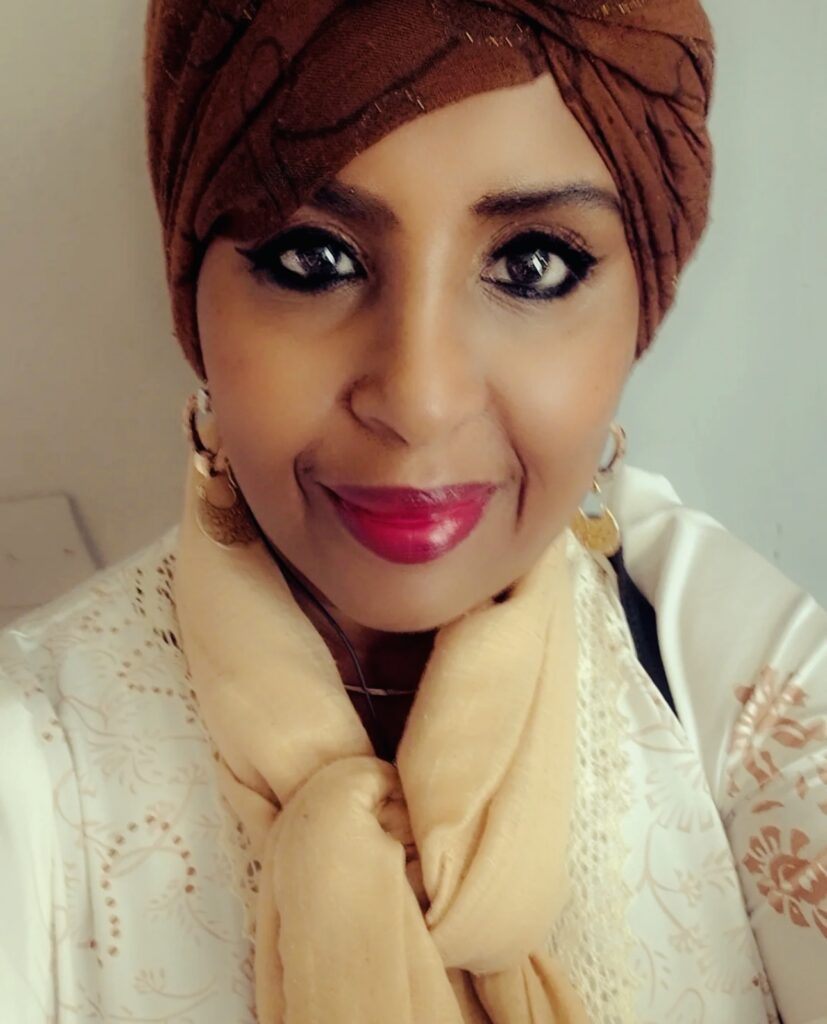
Hibo Wardere is a Somali‑born British author, educator, and internationally recognised specialist in Female Genital Mutilation (FGM). A survivor of type 3 FGM, she has transformed her lived experience into a powerful force for education, safeguarding, and social change.
After arriving in the UK as a refugee from the Somali Civil War, Hibo began her career in education, where sharing her personal story during a training assignment led to her first invitation to speak publicly about FGM. Since then, she has become one of the UK’s leading voices on the subject, delivering training to schools, universities, NHS teams, police forces, and community organisations across the country.
Her book Cut: One Woman’s Fight Against FGM in Britain Today, brought national attention to her work and has been widely praised for its honesty, courage, and clarity. Hibo’s survivor‑led approach has reshaped how professionals understand FGM, placing empathy, cultural insight, and practical safeguarding at the centre of prevention.
Hibo continues to work nationally and internationally as an educator, advisor, and advocate, including through her role with Educate Not Mutilate, where she leads programmes focused on awareness, protection, and community empowerment. Her voice remains instrumental in the global movement to end FGM within this generation.
About Hibo Wardere
Hibo Wardere is a Somali‑born British author, educator, and internationally recognised specialist in Female Genital Mutilation (FGM). A survivor of type 3 FGM, she has transformed her lived experience into a powerful force for education, safeguarding, and social change.
After arriving in the UK as a refugee from the Somali Civil War, Hibo began her career in education, where sharing her personal story during a training assignment led to her first invitation to speak publicly about FGM. Since then, she has become one of the UK’s leading voices on the subject, delivering training to schools, universities, NHS teams, police forces, and community organisations across the country.
Her book Cut: One Woman’s Fight Against FGM in Britain Today, brought national attention to her work and has been widely praised for its honesty, courage, and clarity. Hibo’s survivor‑led approach has reshaped how professionals understand FGM, placing empathy, cultural insight, and practical safeguarding at the centre of prevention.
Hibo continues to work nationally and internationally as an educator, advisor, and advocate, including through her role with Educate Not Mutilate, where she leads programmes focused on awareness, protection, and community empowerment. Her voice remains instrumental in the global movement to end FGM within this generation.
Maggie Kennerley
Coach and mentor,
Maggie Kennerley Coaching
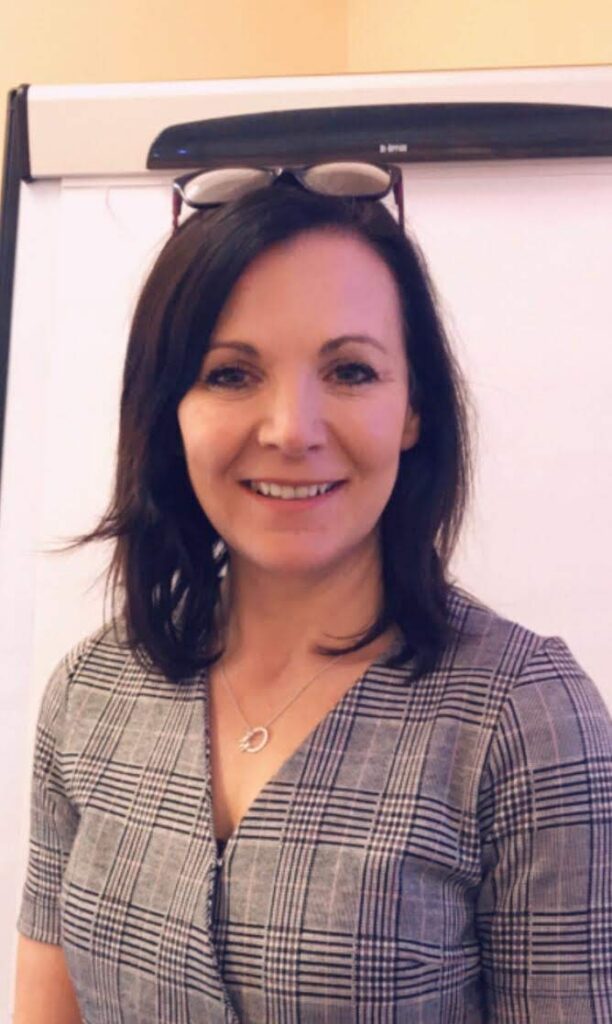
Maggie has 40 years of clinical nursing and midwifery experience, with over 10 years of senior leadership, service development and transformation experience. Coaching within the NHS since 2016, Maggie left the NHS in 2020 to start her own business as ‘Maggie Kennerley Coaching’.
Maggie has designed and is facilitating the Royal College of Midwives ‘Syndeo’ and ‘Eidos’ Programmes. In addition, she works with people 1:1 offering coaching and mentoring, as well as bespoke design and facilitation of team and leadership development support to staff in NHS organisations across England.
As an experienced coach and mentor Maggie’s portfolio extends across financial and legal services to lifestyle and well-being, as well as healthcare and armed forces.
Maggie’s passion and empathetic approach creates a supportive and open-minded environment for coaching. In creating a non-judgemental safe space, she can quickly build rapport to allow her clients to identify their key issues, finding solutions through reflection and self-discovery, whilst offering constructive challenge. Her wide experience of working within the NHS gives her situational knowledge however, it is her knowledge of people and human behaviour that underpins her coaching style, focusing on the human under the uniform or role title.
In addition to Maggie’s professional nursing and midwifery qualifications, Maggie was awarded a formal commendation by Warwick Business School for the Postgraduate Award in Strategic Leadership. She is a Master NLP practitioner and hypnosis, and holds an Institute of Leadership and Management Coaching and Mentoring certificate.
Maggie is a Wiley accredited facilitator of ‘5 Behaviours of a Cohesive Team’ and Everything DISC.
About Maggie Kennerley
Maggie has 40 years of clinical nursing and midwifery experience, with over 10 years of senior leadership, service development and transformation experience. Coaching within the NHS since 2016, Maggie left the NHS in 2020 to start her own business as ‘Maggie Kennerley Coaching’.
Maggie has designed and is facilitating the Royal College of Midwives ‘Syndeo’ and ‘Eidos’ Programmes. In addition, she works with people 1:1 offering coaching and mentoring, as well as bespoke design and facilitation of team and leadership development support to staff in NHS organisations across England.
As an experienced coach and mentor Maggie’s portfolio extends across financial and legal services to lifestyle and well-being, as well as healthcare and armed forces.
Maggie’s passion and empathetic approach creates a supportive and open-minded environment for coaching. In creating a non-judgemental safe space, she can quickly build rapport to allow her clients to identify their key issues, finding solutions through reflection and self-discovery, whilst offering constructive challenge. Her wide experience of working within the NHS gives her situational knowledge however, it is her knowledge of people and human behaviour that underpins her coaching style, focusing on the human under the uniform or role title.
In addition to Maggie’s professional nursing and midwifery qualifications, Maggie was awarded a formal commendation by Warwick Business School for the Postgraduate Award in Strategic Leadership. She is a Master NLP practitioner and hypnosis, and holds an Institute of Leadership and Management Coaching and Mentoring certificate.
Maggie is a Wiley accredited facilitator of ‘5 Behaviours of a Cohesive Team’ and Everything DISC.

Madhuri Bedi
Outreach Coordinator for South Asian Communities ,
Sands
Madhuri is the Outreach Coordinator for South Asian Communities at Sands, the national pregnancy and baby loss charity. Drawing on her own experience of baby loss and associated inequalities, she is passionate about ensuring bereaved families know they are not alone. Madhuri raises awareness of the importance of bereavement support, builds partnerships, and develops initiatives that respond to the needs of South Asian communities. She advocates for change, amplifies the voices of bereaved parents, and works to address inequalities. Madhuri has also played a key role in projects including the Listening Report and the Parent Open Letter to the Government.
About Madhuri Bedi
Madhuri is the Outreach Coordinator for South Asian Communities at Sands, the national pregnancy and baby loss charity. Drawing on her own experience of baby loss and associated inequalities, she is passionate about ensuring bereaved families know they are not alone. Madhuri raises awareness of the importance of bereavement support, builds partnerships, and develops initiatives that respond to the needs of South Asian communities. She advocates for change, amplifies the voices of bereaved parents, and works to address inequalities. Madhuri has also played a key role in projects including the Listening Report and the Parent Open Letter to the Government.
Alison Gabrielle Perry
Midwife & Researcher,
The George Institute for Global Health at Imperial College London
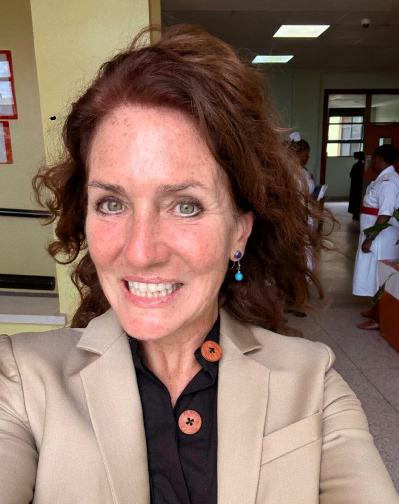
Alison is an experienced midwife and women’s health researcher based in The George Institute for Global Health at Imperial College London. She has a wide range of experience in clinical midwifery and research, leadership and mentorship, as a local RCM branch representative, and as a midwifery expert witness. Additionally, she has significant experience with global health projects in Sub-Saharan Africa settings and currently runs an ongoing midwifery education workshop programme in Uganda. Most recently she has run a participatory photography project related to climate change and women’s health in rural Ghana and Uganda. A current PhD fellow, her research relates to the better inclusion of women in health and research through creative participatory methods of engagement.
About Alison Gabrielle Perry
Alison is an experienced midwife and women’s health researcher based in The George Institute for Global Health at Imperial College London. She has a wide range of experience in clinical midwifery and research, leadership and mentorship, as a local RCM branch representative, and as a midwifery expert witness. Additionally, she has significant experience with global health projects in Sub-Saharan Africa settings and currently runs an ongoing midwifery education workshop programme in Uganda. Most recently she has run a participatory photography project related to climate change and women’s health in rural Ghana and Uganda. A current PhD fellow, her research relates to the better inclusion of women in health and research through creative participatory methods of engagement.
Shelly Higgins
Consultant Midwife,
Powys Teaching Health Board
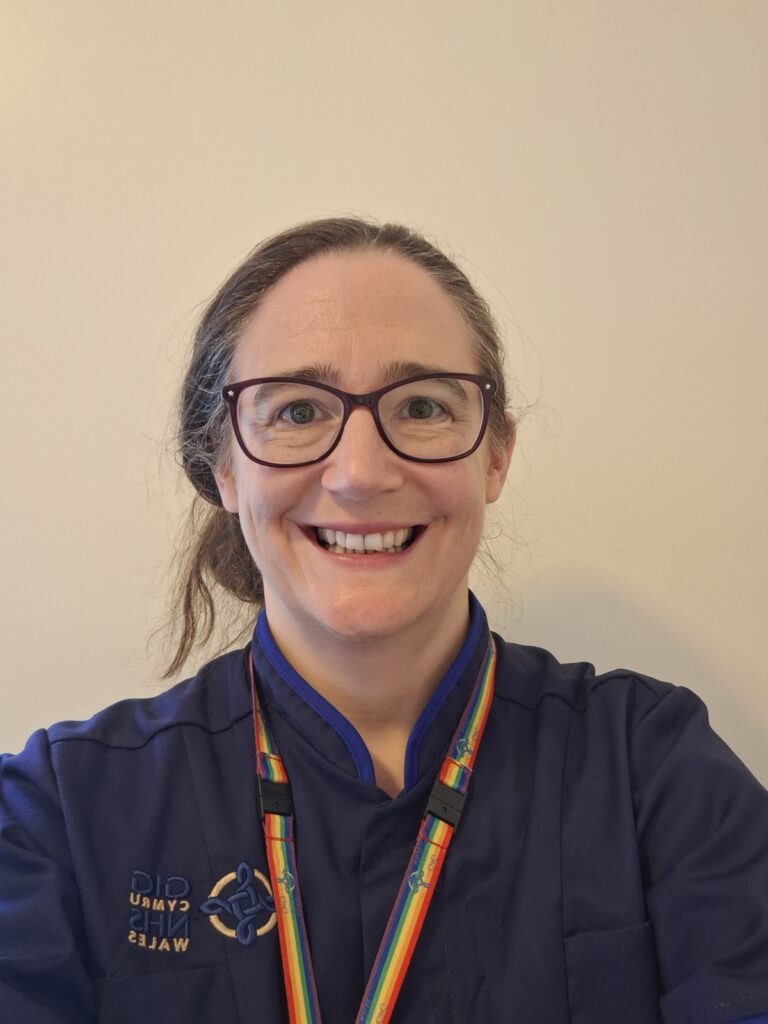
Shelly works as a consultant midwife in Powys Teaching Health Board, which is a service providing a unique midwifery-led model of care. Shelly focuses on programmes of work such as supporting care planning for birth at home or in freestanding midwifery units (FMUs) outside of recommended guidance, quality improvement initiatives, promotion of birth within Powys, birth reflections, research, audit and evaluation, education and numerous public health initiatives. Her area of expertise is in relation to community care, continuity and birth outside of obstetric units. Shelly has recently completed a Health and Care Research Wales Emerging Researcher Award, in which she completed activities to prepare for a PhD Fellowship application; her area of interest is intrapartum transfers from home and FMUs. Shelly also led the recent Midwifery Unit Self-Assessment (MUSA) project, which took an all-Wales approach to reviewing midwifery units against the Midwifery Unit Network (MUNet) Standards with the MUNet team in London.
About Shelly Higgins
Shelly works as a consultant midwife in Powys Teaching Health Board, which is a service providing a unique midwifery-led model of care. Shelly focuses on programmes of work such as supporting care planning for birth at home or in freestanding midwifery units (FMUs) outside of recommended guidance, quality improvement initiatives, promotion of birth within Powys, birth reflections, research, audit and evaluation, education and numerous public health initiatives. Her area of expertise is in relation to community care, continuity and birth outside of obstetric units. Shelly has recently completed a Health and Care Research Wales Emerging Researcher Award, in which she completed activities to prepare for a PhD Fellowship application; her area of interest is intrapartum transfers from home and FMUs. Shelly also led the recent Midwifery Unit Self-Assessment (MUSA) project, which took an all-Wales approach to reviewing midwifery units against the Midwifery Unit Network (MUNet) Standards with the MUNet team in London.

Medbh Hillyard Nicholl
Newly Qualified Midwife,
Medbh Hillyard is a newly qualified midwife from Northern Ireland. She completed her midwifery training at Queen’s University Belfast. Medbh has a background in public health with a particular interest in the perinatal period. Prior to coming into midwifery, she completed a PhD which focused on developing a physical activity intervention for women diagnosed with gestational diabetes. Her hope for the future is to combine midwifery research with clinical practice by becoming a clinical academic midwife.
About Medbh Hillyard Nicholl
Medbh Hillyard is a newly qualified midwife from Northern Ireland. She completed her midwifery training at Queen’s University Belfast. Medbh has a background in public health with a particular interest in the perinatal period. Prior to coming into midwifery, she completed a PhD which focused on developing a physical activity intervention for women diagnosed with gestational diabetes. Her hope for the future is to combine midwifery research with clinical practice by becoming a clinical academic midwife.

Kurt Lee
Student Midwife,
University of the West of Scotland
Kurt is a final year student midwife at the University of the West of Scotland with a strong interest in advocacy and healthcare equity. He is the Scotland representative on the Student Midwife Forum and is a member of RCM Scotland’s Student Network and Equalities Network. Kurt is the recipient of the 2025 Dora Opoku Award for Black and Brown Student Midwifes from the Iolanthe Midwifery Trust. The funding was used to develop a workshop entitled ‘Working with Asylum-seeking and Refugee Families in Maternity Care’, supporting students in addressing systemic racism and promoting equity within midwifery practice. Through his extra-curricular commitments and leadership roles, Kurt strives to amplify student voices and promote inclusive, culturally responsive practices in midwifery care.
About Kurt Lee
Kurt is a final year student midwife at the University of the West of Scotland with a strong interest in advocacy and healthcare equity. He is the Scotland representative on the Student Midwife Forum and is a member of RCM Scotland’s Student Network and Equalities Network. Kurt is the recipient of the 2025 Dora Opoku Award for Black and Brown Student Midwifes from the Iolanthe Midwifery Trust. The funding was used to develop a workshop entitled ‘Working with Asylum-seeking and Refugee Families in Maternity Care’, supporting students in addressing systemic racism and promoting equity within midwifery practice. Through his extra-curricular commitments and leadership roles, Kurt strives to amplify student voices and promote inclusive, culturally responsive practices in midwifery care.
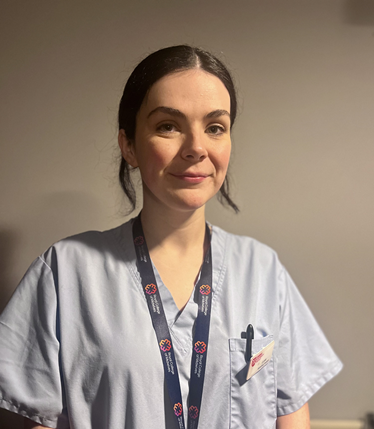
Clare McCollum
Third Year Student Midwife,
Queen's University Belfast.
My name is Clare, I am a student midwife just beginning my final year at Queen’s University Belfast. After leaving school in 2018 I completed a degree in psychology and worked for a number of years in mental health. I loved working in this field, but felt a strong pull towards midwifery and embarked on my training in 2024. My midwifery training so far has been intense and demanding in many ways whilst spending time in university, out on placement and working a part time job. It has also been incredibly rewarding and I have learned so much from the fantastic midwives I have been mentored by placement. In June this year I had the wonderful opportunity to attend the ICM 34th triennial congress in Lisbon as an RCM blogging partner. This was an unforgettable experience that will shape my practice through my career. It encouraged me to think about how we practice and to always strive for better for both women and for midwives. Attending the ICM encouraged attendees to think beyond our own trusts, hospitals and organisations and to think about midwifery on a global level in order to learn from one another. I very much look forward to attending the student conference in Manchester so I can continue to learn from others and continue to be part of the midwifery community.
About Clare McCollum
My name is Clare, I am a student midwife just beginning my final year at Queen’s University Belfast. After leaving school in 2018 I completed a degree in psychology and worked for a number of years in mental health. I loved working in this field, but felt a strong pull towards midwifery and embarked on my training in 2024. My midwifery training so far has been intense and demanding in many ways whilst spending time in university, out on placement and working a part time job. It has also been incredibly rewarding and I have learned so much from the fantastic midwives I have been mentored by placement. In June this year I had the wonderful opportunity to attend the ICM 34th triennial congress in Lisbon as an RCM blogging partner. This was an unforgettable experience that will shape my practice through my career. It encouraged me to think about how we practice and to always strive for better for both women and for midwives. Attending the ICM encouraged attendees to think beyond our own trusts, hospitals and organisations and to think about midwifery on a global level in order to learn from one another. I very much look forward to attending the student conference in Manchester so I can continue to learn from others and continue to be part of the midwifery community.
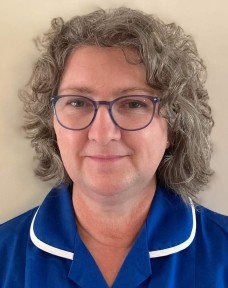
Liz Glyn Jones
Clinical Supervisor for Midwives,
Powys Teaching Health Board
Liz Glyn-Jones is a Clinical Supervisor for Midwives (CSfM), Perinatal Mental Health Midwife and Research Midwife working in Powys Teaching Health Board, supporting midwives to provide case-loading midwifery care within a continuity model. Liz’s work involves supporting wellbeing of both women and midwives, including providing Birth Reflections sessions through the Birth Trauma service. Liz was recently awarded an RCM Wellbeing of Women grant to better understand transfer to obstetric care following water birth and outcomes for women and their babies (part of the POOL research study). Other interests include: midwives support for physiological birth, personalised care outside of guidelines and midwives’ experiences of supporting those births.
About Liz Glyn Jones
Liz Glyn-Jones is a Clinical Supervisor for Midwives (CSfM), Perinatal Mental Health Midwife and Research Midwife working in Powys Teaching Health Board, supporting midwives to provide case-loading midwifery care within a continuity model. Liz’s work involves supporting wellbeing of both women and midwives, including providing Birth Reflections sessions through the Birth Trauma service. Liz was recently awarded an RCM Wellbeing of Women grant to better understand transfer to obstetric care following water birth and outcomes for women and their babies (part of the POOL research study). Other interests include: midwives support for physiological birth, personalised care outside of guidelines and midwives’ experiences of supporting those births.
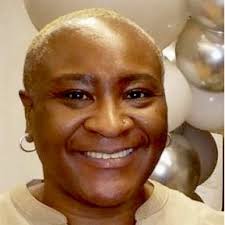
Tracey MacCormack MBE
Assistant Director for Midwifery ,
Nursing Midwifery Council
Tracey Cooper MBE is an experienced midwifery leader, clinician, and advocate with a career spanning almost three decades in maternity services. She previously served as Director of Midwifery and Gynaecology at King’s College Hospital NHS Foundation Trust and was a National Maternity Improvement Adviser with NHS England until March 2023.
Tracey began her nursing career in 1994 before qualifying as a midwife in 1997. Her extensive clinical and leadership experience includes roles in community midwifery, substance misuse services, antenatal and newborn screening, community matron, Deputy Head of Midwifery, Lead Midwife, Head of Midwifery, and Director of Midwifery and Gynaecology.
A passionate advocate for equity, inclusion, and compassionate leadership, Tracey was one of the first Associate Council members of the Nursing and Midwifery Council (NMC), serving from 2021 to 2022. During her tenure, she contributed to the development of the Objective Structured Clinical Examination (OSCE) programmes and work relating to equality, diversity, and inclusion. She was also a member of King’s College Hospital’s Black, Minority and Ethnic Network and served as a Freedom to Speak Up Ambassador.
Tracey continues to support maternity improvement nationally through her roles as a Specialist Advisor to the Care Quality Commission and Specialist Professional Clinical Advisor to NHS England. She holds a Master’s degree in Advanced Practice Leadership from King’s College London and is a recipient of the NHS Leadership Academy’s Nye Bevan Executive Healthcare Leadership Award. Proud to be a midwife, Tracey remains committed to safe, personalised care and improving outcomes and experiences for women, babies, and families.
About Tracey MacCormack MBE
Tracey Cooper MBE is an experienced midwifery leader, clinician, and advocate with a career spanning almost three decades in maternity services. She previously served as Director of Midwifery and Gynaecology at King’s College Hospital NHS Foundation Trust and was a National Maternity Improvement Adviser with NHS England until March 2023.
Tracey began her nursing career in 1994 before qualifying as a midwife in 1997. Her extensive clinical and leadership experience includes roles in community midwifery, substance misuse services, antenatal and newborn screening, community matron, Deputy Head of Midwifery, Lead Midwife, Head of Midwifery, and Director of Midwifery and Gynaecology.
A passionate advocate for equity, inclusion, and compassionate leadership, Tracey was one of the first Associate Council members of the Nursing and Midwifery Council (NMC), serving from 2021 to 2022. During her tenure, she contributed to the development of the Objective Structured Clinical Examination (OSCE) programmes and work relating to equality, diversity, and inclusion. She was also a member of King’s College Hospital’s Black, Minority and Ethnic Network and served as a Freedom to Speak Up Ambassador.
Tracey continues to support maternity improvement nationally through her roles as a Specialist Advisor to the Care Quality Commission and Specialist Professional Clinical Advisor to NHS England. She holds a Master’s degree in Advanced Practice Leadership from King’s College London and is a recipient of the NHS Leadership Academy’s Nye Bevan Executive Healthcare Leadership Award. Proud to be a midwife, Tracey remains committed to safe, personalised care and improving outcomes and experiences for women, babies, and families.

Nasheka Harrison
Recruitment and Retention Midwife ,
Epsom and St Helier University Hospitals NHS Trust
Nasheka’s journey into midwifery began in Jamaica at the age of 21, but her inspiration to become a midwife started much earlier.
Being one of eight children she grew up in a close-knit Jamaican community where supporting pregnant women was a natural part of family life. She watched family members care for women throughout their antenatal and postnatal journeys, providing comfort, practical support and reassurance. Those experiences shaped the person she would become. She too wanted to be the person a woman would meet during and after their pregnancy journey and feel safe with someone who would support her, listen to her and help her through one of the most significant experiences of her life.
Nasheka was educated and trained as a midwife in Jamaica and spent 13 years developing my career there. Her experience included working in hospital and domiciliary/community settings, where she cared for women and families from different backgrounds and at different stages of their maternity journey. These experiences strengthened her clinical knowledge, confidence and passion for providing compassionate, woman-centered care.
After 13 years of practicing in Jamaica, Nasheka felt ready for a new challenge. She wanted to continue learning, develop professionally and see what more she could achieve. In 2022, she made the life-changing decision to migrate to England and begin a new chapter of her career.
Starting again in a new country was both challenging and exciting. She began her NHS journey at Band 4 while working towards meeting the requirements to practice as a registered midwife in the UK. She successfully passed her OSCE, obtained my NMC PIN and progressed to a Band 5 midwife.
Her determination to develop continued. After just over a year, she progressed to Band 6, taking on greater responsibility and continuing to build my clinical and leadership skills. Each stage of her journey has represented growth, resilience and a willingness to step outside my comfort zone. Since being in the UK Nasheka has participated in many Leadership and developmental programs including the Florence Nightingale Leadership program for Internationally educated Midwives and Nurses.
Today, she is Band 7 Recruitment and Retention Midwife at Epsom and St Helier University Hospitals NHS Trust. She is confident that this role has given her the opportunity to bring together many of the experiences gained throughout her career, not only her clinical knowledge and experience but also her passion for education, development, supporting colleagues and helping others to reach their potential.
Alongside her professional journey, she describes one of the most important roles in her life is being a mother. She is a proud mother to an amazing 13-year-old son, Ta’Andrew. Nasheka is confident that becoming a mother has given he a deeper understanding of pregnancy, childbirth and parenthood from a woman’s perspective. It has allowed her to appreciate even more the emotions, fears, hopes and expectations that women and families experience. She believes motherhood has made her an even better midwife because she says since then she has a greater understanding that behind every clinical situation is a woman, a baby and a family with their own unique story.
When I reflect on my journey, I am proud of how far I have come. From a 21-year-old beginning her midwifery career in Jamaica, to spending 13 years serving women and families there, moving to England in 2022, starting again at Band 4, passing my OSCE after 2 attempts, gaining my NMC PIN, progressing through Bands 5 and 6, and now working at Band 7 in Recruitment and Retention.
My journey has been one of courage, resilience, continuous learning and growth. Most importantly, the reason I became a midwife has never changed. I remain passionate about supporting women and families and now, supporting other midwives to develop their own careers.
My journey continues, and I look forward to the opportunities ahead to learn, inspire, support and make a meaningful difference to others.
About Nasheka Harrison
Nasheka’s journey into midwifery began in Jamaica at the age of 21, but her inspiration to become a midwife started much earlier.
Being one of eight children she grew up in a close-knit Jamaican community where supporting pregnant women was a natural part of family life. She watched family members care for women throughout their antenatal and postnatal journeys, providing comfort, practical support and reassurance. Those experiences shaped the person she would become. She too wanted to be the person a woman would meet during and after their pregnancy journey and feel safe with someone who would support her, listen to her and help her through one of the most significant experiences of her life.
Nasheka was educated and trained as a midwife in Jamaica and spent 13 years developing my career there. Her experience included working in hospital and domiciliary/community settings, where she cared for women and families from different backgrounds and at different stages of their maternity journey. These experiences strengthened her clinical knowledge, confidence and passion for providing compassionate, woman-centered care.
After 13 years of practicing in Jamaica, Nasheka felt ready for a new challenge. She wanted to continue learning, develop professionally and see what more she could achieve. In 2022, she made the life-changing decision to migrate to England and begin a new chapter of her career.
Starting again in a new country was both challenging and exciting. She began her NHS journey at Band 4 while working towards meeting the requirements to practice as a registered midwife in the UK. She successfully passed her OSCE, obtained my NMC PIN and progressed to a Band 5 midwife.
Her determination to develop continued. After just over a year, she progressed to Band 6, taking on greater responsibility and continuing to build my clinical and leadership skills. Each stage of her journey has represented growth, resilience and a willingness to step outside my comfort zone. Since being in the UK Nasheka has participated in many Leadership and developmental programs including the Florence Nightingale Leadership program for Internationally educated Midwives and Nurses.
Today, she is Band 7 Recruitment and Retention Midwife at Epsom and St Helier University Hospitals NHS Trust. She is confident that this role has given her the opportunity to bring together many of the experiences gained throughout her career, not only her clinical knowledge and experience but also her passion for education, development, supporting colleagues and helping others to reach their potential.
Alongside her professional journey, she describes one of the most important roles in her life is being a mother. She is a proud mother to an amazing 13-year-old son, Ta’Andrew. Nasheka is confident that becoming a mother has given he a deeper understanding of pregnancy, childbirth and parenthood from a woman’s perspective. It has allowed her to appreciate even more the emotions, fears, hopes and expectations that women and families experience. She believes motherhood has made her an even better midwife because she says since then she has a greater understanding that behind every clinical situation is a woman, a baby and a family with their own unique story.
When I reflect on my journey, I am proud of how far I have come. From a 21-year-old beginning her midwifery career in Jamaica, to spending 13 years serving women and families there, moving to England in 2022, starting again at Band 4, passing my OSCE after 2 attempts, gaining my NMC PIN, progressing through Bands 5 and 6, and now working at Band 7 in Recruitment and Retention.
My journey has been one of courage, resilience, continuous learning and growth. Most importantly, the reason I became a midwife has never changed. I remain passionate about supporting women and families and now, supporting other midwives to develop their own careers.
My journey continues, and I look forward to the opportunities ahead to learn, inspire, support and make a meaningful difference to others.
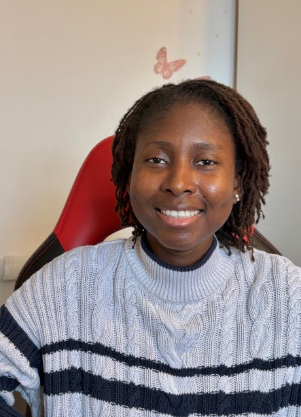
Amata Boyorbor
Midwife,
University Hospitals Birmingham NHS Trust
Amata is a registered midwife with over four years of midwifery experience. She trained and worked in Ghana before relocating to the United Kingdom in 2023. Her experience working in Ghana gave her a strong foundation in midwifery and taught her how to provide safe care while working across different clinical settings.
Since moving to the UK, Amata has continued to develop her practice within maternity services at University Hospitals Birmingham NHS Foundation Trust. This transition has helped her build on the skills she gained in Ghana, particularly in communication, clinical decision-making, teamwork, and the importance of evidence-based care. At this conference, she will reflect on her experience and how it has shaped the midwife she is today.
About Amata Boyorbor
Amata is a registered midwife with over four years of midwifery experience. She trained and worked in Ghana before relocating to the United Kingdom in 2023. Her experience working in Ghana gave her a strong foundation in midwifery and taught her how to provide safe care while working across different clinical settings.
Since moving to the UK, Amata has continued to develop her practice within maternity services at University Hospitals Birmingham NHS Foundation Trust. This transition has helped her build on the skills she gained in Ghana, particularly in communication, clinical decision-making, teamwork, and the importance of evidence-based care. At this conference, she will reflect on her experience and how it has shaped the midwife she is today.

Chrissy Walsh
Infant feeding support worker & Lactation Consultant,
Chelsea and Westminster Hospital NHS Foundation Trust
I have been a Maternity Support worker for over 18 years, and for the last 6
years an Infant feeding support worker. I qualified as a Lactation Consultant in 2022 and took the BFI leadership qualification course in 2025. I have also been an RCM Activist for many years with several roles. My main goal as a Lactation consultant is to ensure anyone working in Maternity has the knowledge and confidence to ensure they can provide families with the opportunity to make informed choices around feeding decisions as well as understand what impacts feeding behaviours after birth.
About Chrissy Walsh
I have been a Maternity Support worker for over 18 years, and for the last 6
years an Infant feeding support worker. I qualified as a Lactation Consultant in 2022 and took the BFI leadership qualification course in 2025. I have also been an RCM Activist for many years with several roles. My main goal as a Lactation consultant is to ensure anyone working in Maternity has the knowledge and confidence to ensure they can provide families with the opportunity to make informed choices around feeding decisions as well as understand what impacts feeding behaviours after birth.

Bob McGurrell
Co-Founder & CEO,
4Louis
From Shiney Row, Bob is our CEO and takes responsibility for delivering training across the UK
“Fiercely passionate about child loss and very proud to be Chief Executive of this lovely charity supporting families through their darkest days”
About Bob McGurrell
From Shiney Row, Bob is our CEO and takes responsibility for delivering training across the UK
“Fiercely passionate about child loss and very proud to be Chief Executive of this lovely charity supporting families through their darkest days”