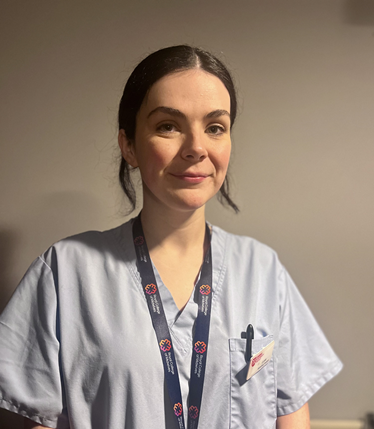
The Royal College of Midwives (RCM) has this week met with the Health Secretary James Murray to continue pressing for urgent action to support newly qualified midwives in England who are struggling to secure a job.
Earlier this year, the RCM released figures which showed a staggering one in three newly qualified midwives had been unable to secure a position within six months of qualifying. Among those actively seeking work, 61% were not employed at all, with some leaving the profession altogether.
The RCM and members of its Student Midwife Forum (SMF) wrote to the Health Secretary asking for an urgent meeting, which took place this week.
During the meeting, the RCM shared evidence gathered from its members, including the findings of the member survey, alongside first-hand accounts from students affected by recruitment freezes and funding pressures.
Fiona Gibb, Director of Midwifery at the RCM, said: “We highlighted directly to the Health Secretary the experiences of student members and newly qualified midwives who have told us they feel anxious, frustrated and let down. They want to enter a profession that desperately needs staff, only to find there are limited opportunities when they qualify.
“It’s important that we put our evidence in front of the Health Secretary so he fully understands how this is impacting students who want to work and are ready to work. And on top of this, maternity services need them. We want our student members’ voices heart directly at the highest levels of government and we are pleased we have been done just that this week.”
In August last year, the Government announced its Graduate Job Guarantee, ensuring all newly qualified midwives are able to secure a Band 5 role after qualifying – but the RCM has made it clear that it has failed to provide the certainty students were promised. Instead of creating new roles, it has relied largely on existing maternity support worker vacancies being rebanded into part-time, temporary Band 5 positions rather than creating additional capacity in maternity services.
And as funding was only available for one year, this year’s graduates are back to square one.
Fiona added: “We need a sustained investment that gives every NQM confidence that there will be a substantive NHS role available when they qualify. Without that certainty, we risk losing talented and skilled professionals before they even begin their careers.”