Increasing midwifery programmes from three years to four years won’t benefit students unless the final year is a funded internship, the Royal College of Midwives (RCM) has said in response to a Nursing and Midwifery Council (NMC) consultation into education standards.
The consultation explores a number of changes regarding how future midwives are educated and trained, including proposals around programme length, practice learning, continuity of supervision and simulated learning.
The RCM’s response supports a number of the proposed changes, while calling for greater detail and safeguards to ensure any reforms strengthen midwifery education without creating new barriers for students.
Heather Bower, Head of Education at the RCM, said: “Midwifery education must equip students with the knowledge and skills, confidence and practical experience they need to deliver safe, compassionate care from the day they join the register.
“We welcome proposals that strengthen education and support students, but any changes must be practical, evidence-based and properly funded. We cannot create additional barriers for those choosing a career in midwifery at a time when services across the UK still need more midwives.
“In our consultation response, we’ve been clear that improving education is about ensuring quality, not simply adding an additional year. With the right investment, supervision and support, we can ensure future midwives are well prepared for practice while keeping the profession accessible to those who want to join it.”
Here’s a round-up and summary of the RCM’s response:
Extending midwifery programmes to four years
One of the consultation’s biggest proposals is increasing the minimum length of pre-registration midwifery programmes from three years to four.
The RCM does not support the proposal as it currently stands, warning that an additional year without changes to student funding or programme structure would place an unacceptable financial burden on students, particularly in England, while offering little additional benefit.
Instead, the RCM says it would support a four-year programme only if the final year was delivered as a funded internship, allowing students to consolidate their skills while making a supported transition into practice.
The RCM says this approach would better address concerns that newly qualified midwives can feel underprepared for the realities of practice, while avoiding widening financial inequalities between students across the UK.
Holistic assessment of labour and birth
The RCM supports the principle of strengthening how midwifery students are assessed during labour and birth, shifting the focus towards the quality of assessment rather than simply the number of births attended.
However, the RCM says more detail is needed about how such assessments would work in practice, including who would carry them out, how assessors would be prepared and at what stage of the programme they would take place.
The RCM also believes the existing requirement for students to be involved in 40 births should remain the standard, except in exceptional circumstances.
Supporting women with additional needs
The consultation also asked how standards could better prepare midwifery students to care for women with additional needs.
The RCM believes this is already embedded within the existing standards but says the emphasis should be on ensuring students experience continuity of care across the whole maternity journey, including for women and families with additional needs.
Shortened programmes for registered nurses
The RCM says any decision to extend shortened midwifery programmes for registered adult nurses should depend on whether direct-entry programmes are also restructured. It is also concerned about the proposed reduction in programme hours for nursing, and the impact this might have on adult nurses entering shortened midwifery programmes, which has not been addressed through the consultation.
Final practice placements
The NMC has also proposed requiring every midwifery student to complete a practice placement of at least eight weeks towards the end of their programme.
The RCM has taken a neutral position on this proposal, saying the consultation does not clearly explain its intended purpose or how this might strengthen students’ experience.
While many universities already offer similar consolidation placements, the RCM believes final placements should remain flexible and tailored to each student’s individual learning needs, rather than being prescribed through national standards.
Continuity of supervision
The RCM has strongly backed proposals to give midwifery students greater continuity of supervision throughout their practice learning – having the same practice supervisor wherever possible helps support students’ learning, wellbeing and professional development.
However, the standards should make clear that supervisors providing this continuity must be registered midwives, and that supervisors themselves must receive consistent, high-quality preparation.
The RCM also says employers will need sufficient workforce capacity and protected time to make continuity of supervision achievable in practice.
Simulation in practice learning
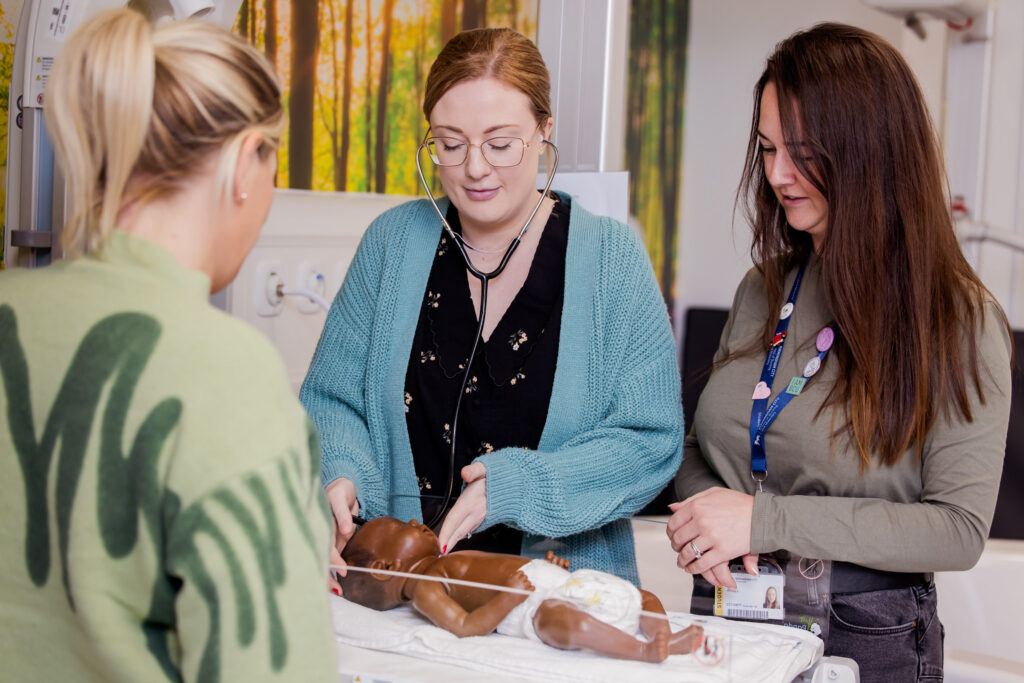
The consultation proposes allowing simulated practice learning to count towards students’ required practice learning hours.
The RCM supports the proposal in principle, recognising that high-quality simulation can help students develop skills in areas where clinical experience may be limited, such as obstetric emergencies or breech birth.
However, simulation must complement, not replace, real clinical experience. It is calling for clear limits on how much simulation can count towards practice learning hours, stronger quality assurance, investment in simulation facilities and appropriate training for educators delivering simulation.
Tackling inequalities in midwifery education
The RCM has strongly backed proposals to strengthen requirements around anti-racism, bias awareness, cultural safety and respect throughout midwifery education.
The RCM says all midwifery students should have opportunities to develop the knowledge, skills and experience needed to provide inclusive, person-centred care and supports stronger expectations on universities and practice learning partners to embed these principles throughout midwifery education.