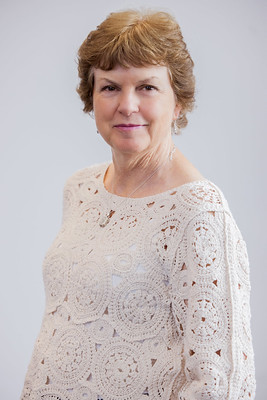
As a young lecturer, I was lucky enough to teach on the first Direct Entry degree programme in the UK.
Students on the programme were very different to me. I had gone into midwifery from nursing because there was no direct entry route at that time. Students on the direct entry programme were often mature students, who had previous life experience, were often mothers themselves and were passionate about women’s health issues.
Some of them had previous degrees – in theology, astrophysics, criminology – which gave them so many other transferable skills. What I learnt from this time was that midwives should be as varied as the women they care for, and this brings a richness and diversity to the midwifery profession.
The profession – and the media – is now having a debate about whether midwives should return to being nurses first.
At the RCM, we would argue strongly against this position. We still have the shortened route into midwifery, and this, we believe, should remain.
But it is now the minority route into midwifery – and that is right. Midwifery is a separate and distinct profession, that requires a different approach and motivation from nursing.
In the main, we walk alongside women having a normal, physiological life event; they require us to support them holistically, using a psycho-social model of care. They are not sick, and do not require us to ‘fix’ them. Aside from this, nursing needs nurses to stay in nursing; our healthcare system needs them too.
The personal cost to those on midwifery programmes is already high, particularly in England where students are required to pay their own tuition fees.
According to an RCM survey (RCM 2024), midwifery students in England complete their programme with an average debt of £40,000. If they were required to study nursing first, the cost of an additional two years to complete the shortened midwifery programme would be prohibitive. The cost to the NHS would also be disproportionately high.
So what is the solution to this debate? The RCM believes that we should be investing in multiple routes into midwifery, including midwifery degree apprenticeships, which have fallen off the government’s agenda. We should celebrate the range of routes into midwifery, and consequently the diversity of midwives who graduate.
The solution is to invest in midwifery education so that every midwife who qualifies, regardless of the route taken, has the competence and confidence to be the best midwife they can be.
Ultimately, this is the solution that will benefit women and families they care for the most.