Last week saw shocking fresh revelations in the Panorama programme about poor care in Nottingham. There can be no doubt that these experiences leave women traumatised, at risk of metal health problems and with fear in subsequent pregnancies. We also heard about the substantial increase in emergency caesarean sections in recent years, and again, unexpected, sometimes dramatic intervention in childbirth can leave women with trauma and negative feelings that need to be processed. Even what might be considered as a medically uncomplicated birth can leave women with psychological scars that take much longer to heal than the physical effects.
This is why the Royal College of Midwives has placed an emphasis on perinatal mental health and called for training and services to be widely available. The perinatal mental health roadmap is part of this offer to support maternity staff and the women they care for.
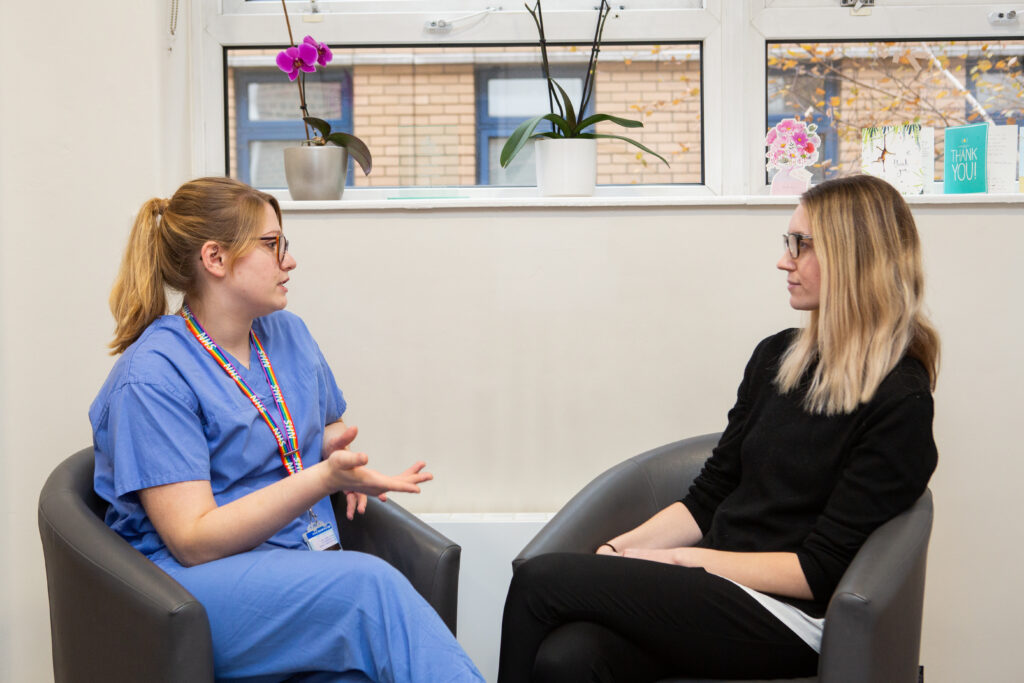
Today sees the launch of a toolkit to help midwives address birth trauma through the value of a birth conversation. Birth conversations, also known as birth reflections, afterthoughts, or postnatal debriefs, are a key opportunity to support women to explore and begin to process their experiences and feelings towards their birth.
Central to the role of the midwife is to support women during the antenatal, intrapartum and postnatal periods, including ensuring that women are enabled to make informed decisions about their care and advocating for those choices on their behalf. The impact of women’s autonomy not being upheld within the current system in the way that women and midwives would want, was shown in the 2024 report of the All-Party Parliamentary Group inquiry on birth trauma. We have ample evidence of the harms women experience after traumatic birth; one in four women experience mental health problems during pregnancy or within a year of birth, with even higher rates seen in women facing disadvantage. The Amos interim report added to the evidence that women using maternity services continue to have traumatic experiences.
This underscores the need for high-quality birth conversations with midwives who are well trained, have appropriate time and resource to meet women’s needs and are equipped to identify and refer those who need more specialised support and treatment. This toolkit supports these aims through three main themes; personalised care, practical considerations, and the infrastructure required to enable effective and high-quality birth conversations. Aimed at policy makers, those commissioning and organising services, and front-line practitioners, the toolkit provides practical support to standardise the quality of services provided and end the postcode lottery women seeking birth conversations receive.
Midwives undertaking birth conversations with women should be supported with adequate resources, comprehensive training, and staffing models that afford them the protected time to ensure that women receive a high-quality service. Without the appropriate infrastructure to surround birth conversations, both midwives and women are compromised. Midwives are vulnerable to moral injury and vicarious trauma, risking further damaging an already stretched and demoralised workforce, and women are at risk of having their trauma deepened through navigating a system where their trauma is not recognised or treated with the seriousness it deserves.