welcome
St. David's Day conference 2026
Stronger together: Building our RCM Cymru community
Join us to connect with colleagues from across maternity services in Wales, meet the RCM team, and expand your professional network.
This year’s theme Stronger together: Building our RCM Cymru community, celebrates the power of connection, collaboration, and the shared journey through maternity care. The conference offers a unique opportunity to engage with colleagues from across Wales, meet the RCM team, and strengthen professional networks.
The programme will explore the maternity journey in Wales, showcasing the achievements of midwives and MSWs through inspiring keynote speakers, thought-provoking panel discussions, and dynamic poster presentations. This is a day dedicated to shared learning, professional growth, and celebrating the exceptional work happening across our maternity services.
Registration, marketplace, refreshments and networking
Welcome and introductions
- Kath Greaves, Clinical Director of Midwifery, Swansea Bay UHB
Resources
Celebrating the first year of the RCM new strategy ‘Improve, Amplify, Build’
Resources
Swansea RCM branch: Re-Powering: Belonging, Branches and the Midwifery Voice
This session invites local RCM Branches to rediscover the shared power of Cynefin—our collective sense of belonging and connection as Midwives and MSWs. When we feel rooted, we thrive. When we connect, we create change.
Drawing on inspiring examples from Swansea Bay, including Caring for You, the Quiet Room, and the Midwifery Think Tank, we’ll explore how grassroots actions can:
- Re-energise staff
- Nurture community
- Drive the wider midwifery agenda
Resources
Sharing inclusivity within a community of practice
Join us for a dynamic discussion panel showcasing how a diverse range of practitioners have embraced the journey of inclusion in maternity care. We’ll explore how collaboration across Wales is shaping a future where every family feels seen, heard, and supported.
What to expect
- Education as a continuous conversation
Learn how Equality, Diversity, and Inclusion (EDI) is woven into education, starting with student learning and continuing through professional development, ensuring inclusive practice becomes second nature. - Inclusive services for families
Hear real-world examples of how panel members champion inclusive care, creating services that reflect the needs of all families. - Activism and wider opportunities
Discover how practitioners extend their impact beyond the workplace, using activism and advocacy to drive systemic change.
Resources
Break, exhibition and posters
Improving our workplace cultures through psychological safety and better communication
This session will build on Huw’s session at St David’s Day conference 2024 to discuss how to work together better through psychological safety and better communication.
Lunch, exhibition and posters
Mwy na Geiriau - More than words
- Angharad Oyler, RCM Board
- Nia Coles, HEIW Head of More than just words strategy and Welsh unit
This discussion focuses on how we can enhance the use of Welsh in maternity care, ensuring first-language Welsh families receive services that reflect their identity and culture. Language is more than communication, it’s connection, trust, and dignity.
Building our digital communities in Wales
- Doris Hayford, Professional Advisor Midwife in Digital, RCM
- Cheri Lewis
- Anthony Tracey, Digital Director HDUHB
As we stand on the cusp of rolling out digital maternity services across Wales, this session explores how innovation can be inclusive for all. Technology should empower not exclude reaching those on the periphery of the digital revolution.
Break, exhibition and posters
Launch of RCM Cymru Manifesto for Senedd elections 2026
- Julie Richards, Director RCM Cymru
- Mike Indian, RCM Public Affairs Advisor
An overview of the top ask from RCM Cymru and its members in advance of the Senedd elections a potential new government.
Interactive celebration of welsh language, food, culture and music

4Louis is a UK charity that works across the country to support anyone affected by miscarriage, stillbirth and the death of a baby or child. We work to improve care bereaved families receive from healthcare and other professionals. We provide memory boxes and mementos to help families create lasting memories of their loved one. We provide useful tools, equipment, and training free of charge to hospital units and other professionals who work with grieving families. We understand that every family’s journey is unique, and we strive to improve the services given to families who have lost a baby or child.
Apira, an IQVIA Business is a leading digital healthcare consultancy that was formed in 1997 which and has helped more than 100 NHS organisations gain the most from technology and information. With over 70 consultants supported by our leadership team and board including our Executive Chair and Medical Director, we are here to help to de-risk your digital journey, always providing 100% independent advice to the NHS. We work locally, regionally and nationally centrally to provide the most valuable insight possible for all our NHS clients including NHS Trusts across care settings such as maternity and neo natal as well as national bodies.
www.linkedin.com/apirauk

The Birthrate Plus® workforce planning calculation determines the required total midwifery workforce establishment for all hospital and community services, whilst the Acuity App assesses real time staffing based on the clinical needs of women and babies for intrapartum and ward areas. Together they support the provision of safe and effective care which is both sensitive and responsive to changes in acuity and workforce.

BBC CBeebies Parenting: Supporting Families in Pregnancy and beyond
BBC CBeebies Parenting is a trusted resource designed to support parents and caregivers throughout the early years – from pregnancy through to their child’s first day at school.
Building on the success of Tiny Happy People, CBeebies Parenting offers expert-led guidance across health, education, and speech, language & communication. With input from professionals including midwives, health visitors, and early years specialists, the platform provides free, engaging activities and evidence-based advice to help families nurture their child’s development from birth to age four.
Social media
- Instagram: @cbeebieshq
- Facebook:facbook/cbeebies
- Tik Tok: @cbeebies
New genetic and genomic technologies are allowing us to develop a much more detailed understanding of the link between our genes and health.
In recent years there has been international recognition that these technologies have the potential to revolutionise medicine and public health.
Genomics Partnership Wales is working together to harness the potential of genomics to improve the health, wellbeing and prosperity of the people of Wales.
Along with our partners and stakeholders, GPW will ensure these plans will be fulfilled in the fields of genetics and genomics, while supporting the delivery of precision medicine in NHS Wales.
Social media
- LinkedIn https://uk.linkedin.com/company/genomicspartnership-wales
- Facebook: https://www.facebook.com/GenomicsPartnershipWales
Health Education and Improvement Wales (HEIW) is the strategic workforce body for NHS Wales. As a Special Health Authority, we have a unique contribution to make in addressing strategic and specialist workforce issues, making Wales a great place to train and work for our health and care staff and maximising the contribution of all professions and occupations through our statutory functions.

SAVE TIME. INCREASE QUALITY. SCALE CAPACITY.
iRIS makes scenarios faster to design, easier to manage, and aligned to
the standards that matter, all while scaling delivery and easing the
pressure on your team.
iRIS is a web-based AI-Powered scenario design and management
system built for modern healthcare simulation teams. It brings structure,
consistency, and speed to scenario development with AI assistants, guided authoring, embeddedbest-practice, simulator integrations and collaborative workflows that support governance and quality. Simulation educators can create, review, version, and publish scenarios in one place then share content across programs and export to major simulator ecosystems.

At Lisclare we believe in giving you the freedom to care. For over 25 years we’ve built a strong reputation for delivering high quality, reliable equipment that support complete patient care across all settings. By working in close partnership with healthcare professional, we help assess your clients’ unique needs and recommend the most effective solutions, enabling you to focus fully on delivering the best possible care.
With Lisclare you gain more than equipment you gain a trusted partner committed to helping you provide the highest standard of care. Let us support you with the tools and knowledge you need to care, confidently and effectively.
Social media
Linkedin www.linkedin.com/company/lisclare-ltd
Facebook www.facebook.com/LisclareLimited
Do you use health or social care services in Wales?
If you do, you can help us make them better for everyone by having your say
And your voice is more powerful than ever before
Llais is the national, independent body set up by the Welsh Government to give the people of Wales a stronger voice in their health and social care services.
We’re here to make sure your views and experiences are used by decision-makers to plan and deliver better health and social care services.
Our local teams across Wales gather people’s experiences – good and bad – of health and social care services and provide support to make complaints when things go wrong.
Then they work with local health and social care service providers to respond to the things that matter most to people in the communities they serve.
Because we’re a statutory body, health boards, local authorities and third sector care providers have to listen.
Social media
- Instagram – llais_wales and llais_cymru
- LinkedIn – llais cymru
- Facebook – Llais Wales and Llais Cymru
Luna’s Light Appeal started as a way for one family to honour their baby Luna by helping others find words, hope, and connection through the children’s picture book ‘Skye & Luna’. We began with printing the first books and since then Luna’s Light has grown into a movement of compassion for families facing baby loss.
Our vision is simple but powerful: To make sure no family faces baby loss alone, and every baby’s light continues to shine.
Our work now focuses on four key missions:
- Making the book freely available to families in hospitals, schools, and libraries across Wales and the UK.
- Supporting organisations to become more aware of baby loss and to approach it with compassion and understanding in the workplace.
- Raising awareness through our Annual Luna’s Light Silent Disco and other events
Using storytelling as a bridge to break the silence around baby loss and bring remembrance, hope, and connection into homes and communities.
Social media
Instagram – @lunaslightappeal
Facebook – Luna’s Light Appeal

Microdot safety sharps, including neonatal heel lancets are used extensively across the UK.

MIDIRS (Midwives Information & Resource Service) provides evidence-based resources to support for students, midwives and MSWs, in their professional and academic development.
We’re the independent regulator of more than 853,000 nurses, midwives and nursing associates. Our vision is safe, effective and kind nursing and midwifery practice for everyone.
Our vision is safe, effective and kind nursing and midwifery practice that improves everyone’s health and wellbeing.
As the independent regulator of more than 853,000 nursing and midwifery professionals, we have an important role to play in making this a reality.
Our core role is to regulate. First, we promote high education and professional standards for nurses and midwives across the UK, and nursing associates in England. Second, we maintain the register of professionals eligible to practise. Third, we investigate concerns about nurses, midwives and nursing associates – something that affects a tiny minority of professionals each year. We believe in giving professionals the chance to address concerns, but we’ll always take action when needed.
Social media
Instagram –www.instagram.com/nmcnews/
LinkedIn – www.linkedin.com/company/the-nursing-and-midwifery-council/mycompany/
X – Nursing and Midwifery Council (@nmcnews) / X
Facebook – www.facebook.com/nmcuk

We are the voice of Wales at work
TUC Cymru (Wales TUC) is the voice of workers in Wales, representing 48 affiliated unions to advocate for fair pay, safe and valued workplaces, and social justice. As part of the national Trades Union Congress, it focuses on representing Welsh trade unionists within the Welsh Government and other organisations, developing policy on devolved matters, and coordinating the trade union approach to Welsh policy-making. The organisation also supports trade union reps with training on various issues, promotes equality and the Welsh language in the workplace.

Angharad Oyler
Head of Midwifery and RCM Board Member,
Cwm Taff Morgannwg UHB
Angharad has recently been appointed as the Head of Midwifery in at Cwm Taff Morgannwg UHB. Midwifery career, Angharad has worked in a variety of midwifery roles, including governance and risk management, operational lead midwife duties, and clinical supervision for midwives undertaken an RCM learning rep role.
During the last three years Angharad has worked as Head of Patient Safety and Quality in Cardiff and Vale UHB, serving as the organisation’s professional lead for Quality Governance.
Angharad believes that employee wellbeing and quality, safe care are inextricably linked and promoting kind and respectful working relationships is fundamental in building foundations upon which a positive, safe, and supportive learning culture can flourish.

Catrin Roberts
Midwife ,
Betsi Cadwaladr University Health Board
Catrin has been a midwife for 12 years and in this time has had the privilege of supporting and caring for women and their babies, both in the community and in hospital. Catrin has worked for Bangor University as a practice education facilitator and has always been committed to lifelong learning. Throughout her career, Catrin aims to advocate for women, by being current in her field and passionate about the art of midwifery. Catrin likes to travel and socialise with family and friends.

Donna James
Arweinydd Clinigol Cynllun Ymchwil ac Arloesi Amlbroffesiynol|Clinical Lead Multiprofessional Research and Innovation and Arweinydd Clinigol Cynllun Gweithlu Amenedigol Strategol|Clinical Lead Strategic Perinatal Workforce Plan,
Addysg a Gwella Iechyd Cymru (AaGIC) | Health Education and Improvement Wales (HEIW)
Donna James is a senior midwife with over 25 years’ experience across clinical practice, safeguarding, research and service innovation. She currently works at Health Education and Improvement Wales (HEIW), supporting the national delivery of the Strategic Perinatal Workforce Plan across Wales.
Her role focuses on implementing workforce priorities into practice, working with services to translate national policy, workforce intelligence and evidence into tangible improvement for maternity and neonatal teams. She specialises in using data to inform workforce and service decisions, streamlining systems and applying improvement approaches. Her focus is on creating the conditions that enable clinicians to deliver safe, high-quality perinatal care.
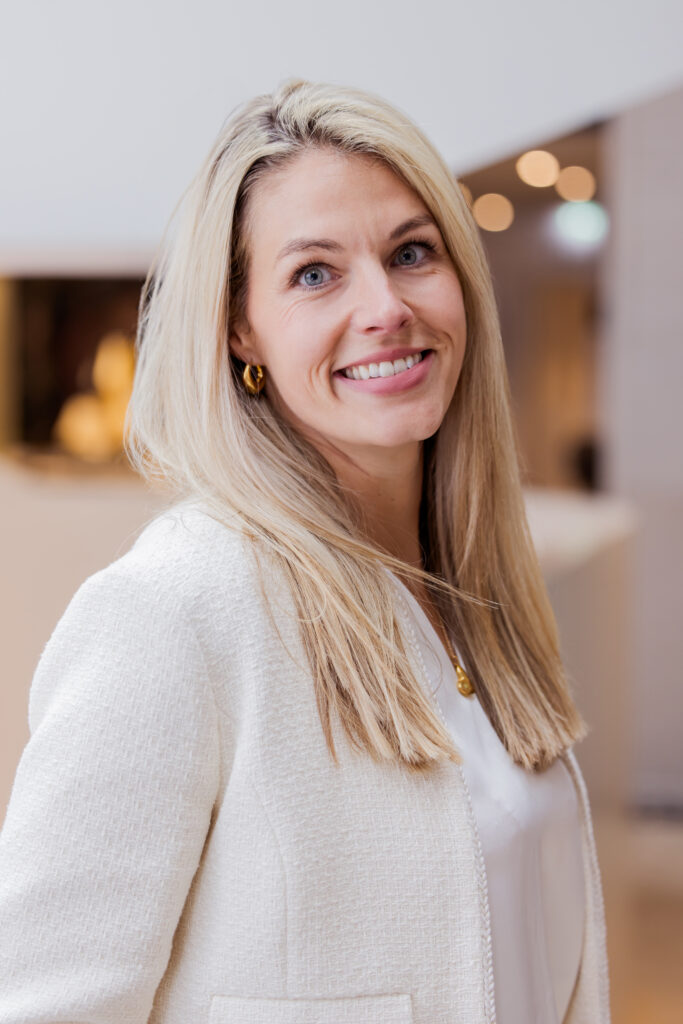
Hannah Leonard
Chief Policy Officer and Deputy Chief Midwife,
RCM
Hannah is an experienced midwife and healthcare leader, qualified since 2009. She holds a Master’s in Advanced Practice and has held several senior midwifery roles across Trusts and the Integrated Care Board, with a strong focus on high-quality care for women and families. Named an ‘Emerging Leader’ by the NHS Leadership Academy in 2017, she has led system wide transformation, research, education, and contributed to national mortality reviews with MBRRACE. As a former programme lead at Health Education England Southeast, she supported clinical leadership development. Hannah is dedicated to inclusive leadership, advocating for midwifery, maternity support workers, and learners across the UK.

Huw Thomas
Partner,
Sglein
Cyd-sefydlodd Huw Sglein yn 2005 wedi gweld bwlch am ddysgu sy’n ysgogi, sy’n afaelgar ac sy’n cael effaith gadarnhaol ar unigolion a’u sefydliadau. Mae Huw yn angerddol am wrando a chyfathrebu ag eraill, meithrin perthynas a helpu pobl i ddatblygu. Mae’n dod â synnwyr o antur ac egni i bob sesiwn; mae trawsnewid profiad pobl o ddysgu a datblygu yn dod â boddhad mawr iddo ac mae’n ffynnu ar wneud cyswllt â phobl yn unigolion ac yn grwpiau.
Pan nad yw’n gweithio, mae Huw yn mwynhau rhedeg, beicio a mynydda. Mae wrth ei fodd yn gwthio a herio ei hun ac mae wedi cwblhau sawl hanner marathon a marathon, yn ogystal â mynydda yn y DU, Affrica, a’r Himalaya. Mae’r gweithgareddau hyn yn rhoi iddo deimlad o gyflawni, persbectif a chysylltiad â phobl, diwylliannau a lleoedd mewn modd ystyrlon a chofiadwy.
Huw Thomas
Huw co-founded Sglein in 2005 as there was a need for engaging, motivational learning that has an impact on individuals and their organisations. Huw’s passion is listening and communicating with others, building rapport and helping people develop. He brings a sense of adventure and energy to every session; transforming people’s experience of learning and development brings him great satisfaction and engaging with people on an individual and group basis is something he thrives on.
When not working, Huw enjoys running, cycling and mountaineering. He loves pushing and challenging himself and has completed several half-marathons and marathons, as well as mountaineering in the UK, Africa and the Himalaya. These activities give Huw a sense of achievement, perspective and connection with people, cultures and places in a meaningful and memorable way.


Julie Richards
Director RCM Cymru,
RCM Cymru
Julie has been Director for Royal College of Midwives for Wales since August 2022 and is passionate to be part of the RCM as the voice of midwifery as the only professional organisation and trade union dedicated to serving midwifery and the whole midwifery team. Within the RCM strategy Julie strives to build the community of EDI members and allyships to enhance the confidence, professional practice and influence of midwives for the benefit of childbearing women and their families. Julie plays a pivotal role in representing the voice of midwives and maternity support workers across Wales to promote midwives’ contributions to safe high-quality care that is key to the future health of Wales. Julie is proud that the RCM Cymru team have been recognised for their contributions to EDI agenda for Wales with recent Diverse Cymru Cultural Competence Silver accreditation.
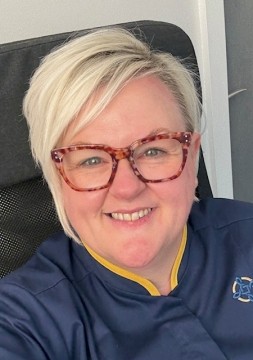
Kathryn Greaves
Director of Midwifery ,
Swansea Bay University Health Board
Kathryn Greaves is a seasoned senior leader and Clinical Director of Midwifery with over 25 years of experience delivering compassionate, high-quality care to women and families across the South Wales corridor.
A dedicated midwife and advocate for excellence in maternity services, Kathryn has played a pivotal role in national safety programmes, including the successful implementation of OBS CYMRU, which has significantly improved the management of postpartum haemorrhage across Wales.
Deeply rooted in clinical governance and service improvement, Kathryn has led transformational change in maternity services, particularly in challenging environments, including those under special measures. Her leadership has consistently focused on restoring confidence, enhancing safety, and driving sustainable improvements in care delivery.
Kathryn’s passion lies in creating a culture where kindness, respect, and collaboration are at the heart of every interaction, believing firmly that “kindness is free, it costs nothing, and every day presents an opportunity to show it.” As a mother and wife, she brings a deeply personal understanding of the importance of positive birth experiences and is equally committed to improving the working lives of those who provide care.
Her vision is clear: to ensure that every woman, baby, and family receives the safest, most respectful, and empowering care possible, while fostering environments where staff feel valued, supported, and inspired to thrive.
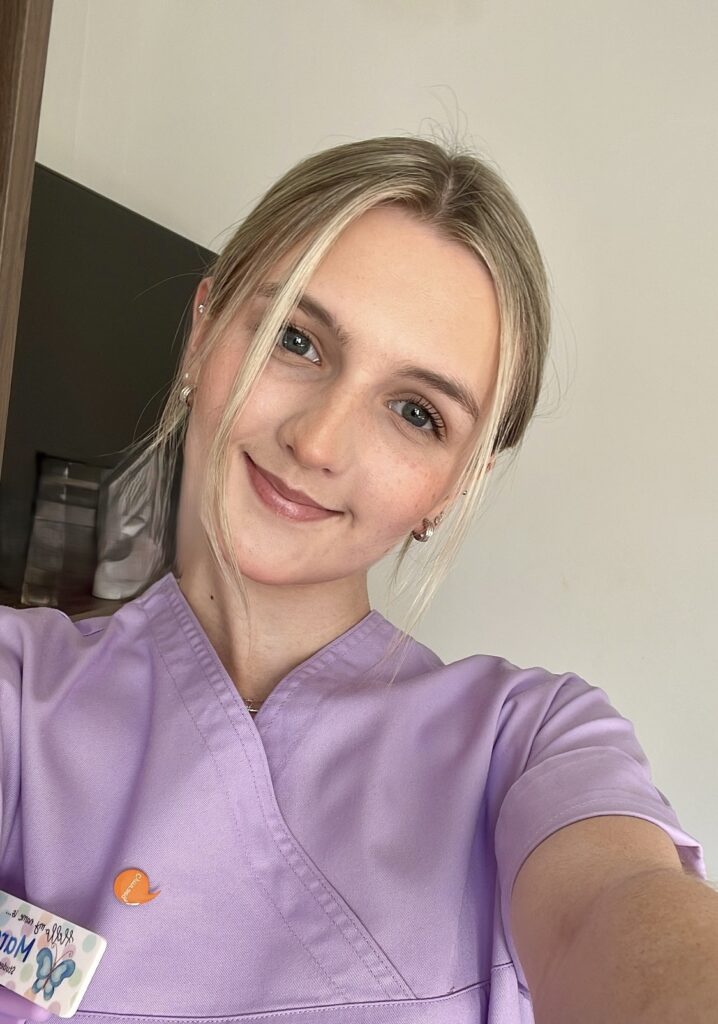
Mared Cole
Student Midwife,
Why the Welsh language is important in maternity and neonatal services:
Having worked clinically in maternity care, the vulnerability of pregnant women and their families has become apparent to me. Pregnancy and labour are often high-stress and emotional moments where clear communication, trust and reassurance are essential – therefore the ability to connect in a way that feels natural and safe to them, through the medium of Welsh, is crucial. Hearing their own language in a medical environment can bring comfort and a sense of normality, while respecting culture and identity.
Ideas on how the use of Welsh can be strengthened in maternity and neonatal services:
- Active offer at booking, every AN appointment, triage etc – encouraging staff to greet families in Welsh.
- Establishing the woman’s preferred language at first contact.
- Visible signals – encourage lanyards, badges indicating Welsh-speaking staff so that families are aware.
- Welsh information leaflets for induction, pain relief on labour ward, lifestyle in pregnancy, postnatal etc.
- Parental education in Welsh – AN classes, breastfeeding support, neonatal education sessions etc – videos available through Welsh.

Mike Indian
Public Affairs Advisor ,
The Royal College of Midwives
Mike Indian joined the RCM as Public Affairs Advisor in August 2025. He is responsible for coordinating political influencing and engagement work across parts of the RCM. A former political journalist, Mike has worked in lobbying and advisory roles for both leading agencies and healthcare companies.
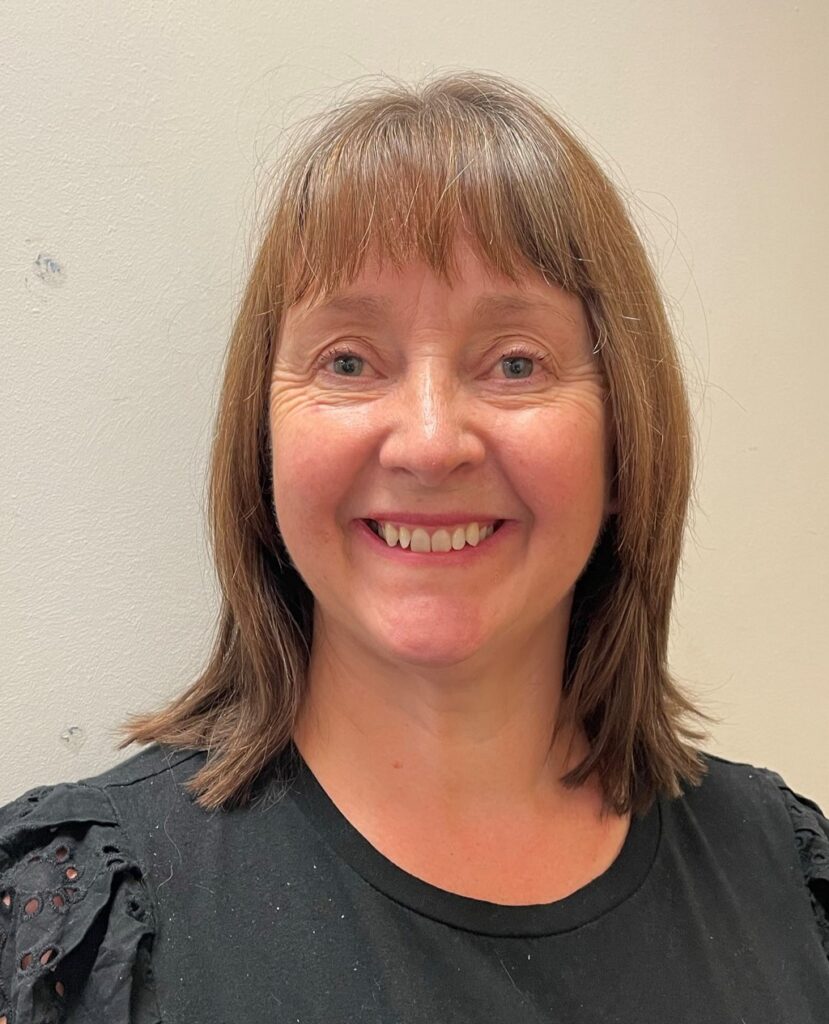
Sharon Jones
Clinical Facilitator in Midwifery | Hwylusydd Clinigol mewn Bydwreigiaeth,
Swansea University | Prifysgol Abertawe
Rwyf yn Ddarlithydd Bydwreigiaeth (drwy gyfrwng Cymraeg) ym Mhrifysgol Abertawe. Wedi cymhwyso fel bydwraig yn 2008, ymunais â Phrifysgol Abertawe yn 2021, ac rwyf yn dal i ymarfer gyda Bwrdd Iechyd Prifysgol Hywel Dda fel bydwraig. Rwy’n dysgu ar y rhaglen BSc. Bydwreigiaeth a’r cwrs Tystysgrif mewn Gofal Mamolaeth (CMC). Rwyf hefyd yn brif ddarlithydd ar gyfer addysg y Gymraeg a chymwysterau efelychiad . Un o’m nodau mewn addysg seiliedig ar efelychiad yw cynyddu a hyrwyddo’r Gymraeg mewn addysg wedi’i efelychu, gan gynnwys drwy addysg rhyngbroffesiynol. Wedi cwblhau fy PGCE, rwyf ar hyn o bryd yn astudio ar gyfer fy Meistr mewn Addysg i weithwyr proffesiynol iechyd, lle mae fy nhraethawd hir yn canolbwyntio ar addysg wedi’i efelychu yn y Gymraeg.
I am a (Welsh Medium) Midwifery Lecturer at Swansea University. Having qualified as a midwife in 2008, I joined Swansea University in 2021 but still practice with Hywel Dda university Health Board as a bank midwife. I teach on the BSc. Midwifery programme and Certificate in Maternity Care (CMC) and am link lecturer for Welsh language and Simulation education. One of my aims in simulated based education (SBE) is to increase and promote Welsh language in SBE, including through Interprofessional education (IPE). Having completed my PGCE, I am currently studying for my Masters in education for health professionals, where my dissertation focuses on Welsh Language SBE.

The All-Wales Clinical Supervisors for Midwives (AWCSfM)
The AWCSfM group is a national network of midwifery leaders committed to improving safety, quality, and learning cultures within Maternity services across NHS Wales. Through collaborative co-production, the group has led the development of the All-Wales CSfM Framework, aligning leadership capability, psychological safety, and restorative supervision with national policy. AWCSfM members support consistent, compassionate supervisory practice, strengthening workforce confidence, system learning, and safer outcomes for women, babies, and families across Wales.
Retaining midwives to ensure safe and effective care
Number: 23
Background: Retaining midwives to the workforce is essential in ensuring safe and effective care, with understaffing of registered midwives (RMs) associated with an 11% increase in harmful incidents. It is therefore crucial to maternal and neonatal safety that midwives’ health, safety and wellbeing in the workplace is a key focus for maternity employers.
Aim: To develop and validate a Caring for You (C4Y) staff wellbeing evaluation which can accurately measure the implementation success of the C4Y Charter
Methodology: A mixed-methods evaluation including an online questionnaire and semi-structured interviews. Internal consistency of the Likert scale questionnaire items will be tested using Cronbach’s alpha. Quantitative data will be analysed using descriptive statistics and qualitative data will be thematically analysed.
Ethics: This study has been reviewed by and received ethics clearance through the Maternal and Child Health Proportionate Review Committee. City St George’s, University of London (ETH2425-1713)
Results: 62 questionnaire responses were received from midwives working across all 7 Local Health Boards. 8 midwives took part in an interview. Data was collected around the following topic categories: Action plans, Shift Patterns, Organisational Culture and Support and Compassion. The results show a pattern of midwives’ reporting issues with short staffing, breaks and organisational culture. The study data also suggests that the C4Y campaign is not equally understood by all midwives.
Conclusion: For the C4Y Charter to be fully realised, an organisational culture shift required, where midwives’ co-designed and shared values are embedded in NHS maternity services.
Embedding safety culture in Welsh maternity and neonatal services: the impact of the maternity and neonatal safety support programme (MatNeoSSP)
Number: 22
The Maternity and Neonatal Safety Support Programme (MatNeoSSP) Wales, is a collaborative national initiative designed to strengthen safety, quality, and equity across maternity and neonatal services in Wales. Working with all Welsh health boards and the Welsh Ambulance Services Trust (WAST), the programme began with a comprehensive ‘discovery phase’ to assess current strengths and identify areas for improvement. This work was led by Improvement Cymru, conducted by and for the maternity and neonatal community in Wales, and informed the development of a strategic, system-wide improvement approach.
In November 2024, the MatNeoSSP Implementation Network was established to bring together Perinatal Teams across Wales to co-ordinate a number of improvement projects in Wales, including:
- Supporting health boards in the national implementation of MEWS and NEWTT2 early warning score tools through improvement networks, training, and resource development.
- Embedding a standardised Newborn Risk Assessment tool to support early identification and monitoring of at-risk neonates.
- Creating a Community of Practice to improve Maternity Triage across Wales. Outputs from this include and All Wales Audit Tool, agreed Key Performance Indicators and working with colleagues in HEIW to publish a competency framework.
The programme demonstrates how coordinated leadership, community ownership, and data-driven collaboration can create meaningful change in maternity and neonatal care.
Extending PROMPT Wales Through a Non-Technical Skills Session: Strengthening Civility, Speaking Up, and Psychological Safety in Maternity Care
Number: 21
Aims and Objectives:
PROMPT training has been embedded within maternity services in Wales for several years and includes a strong focus on multidisciplinary working and non-technical skills alongside technical simulation. However, national and local reviews continue to highlight persistent challenges related to communication, civility, speaking up, and psychological safety, reflecting the complexity of cultural change in maternity care. This project aimed to introduce and pilot a new PROMPT session focused specifically on non-technical skills, in-house reflection on culture and psychological safety, and the influence of hierarchy. The objective was to explore whether facilitated discussion, supported by Active Bystander Training (ABT), could strengthen confidence to speak up and support safer team cultures.
Methodology:
An in-house multidisciplinary working group designed and delivered a new non-technical skills session within the PROMPT training day. The session created a facilitated, psychologically safe space for discussion, using scenario prompts and shared reflection to explore team culture, communication, incivility, and barriers to speaking up. Active Bystander Training was introduced as a practical framework to help participants recognise problematic behaviours and practise constructive responses. A mixed-methods evaluation used pre- and post-session Likert-scale questionnaires alongside qualitative thematic analysis of written reflections. This work was undertaken as quality improvement and did not require ethical approval.
Outcomes / Results:
Quantitative findings demonstrated modest improvements in confidence speaking up during maternity emergencies (mean 3.7 to 4.1) and psychological safety when challenging hierarchy (3.4 to 3.9). Understanding of how hierarchy influences communication was high at baseline and showed smaller change (4.2 to 4.4). Qualitative findings identified hierarchy, fear of judgement, incivility, and prior negative experiences as key barriers to speaking up. Post-session reflections demonstrated increased psychological safety and shared accountability, with participants describing feeling acknowledged within the team (‘I feel seen’) and a commitment to act when concerns arise (‘I will do my best to avoid being a bystander when a situation arises’).
Conclusions:
Introducing a dedicated non-technical skills session within PROMPT represents a meaningful enhancement of simulation-based training. While quantitative change was modest, qualitative findings suggest early movement towards improved psychological safety and shared accountability. As a quality improvement intervention, this approach supports ongoing cultural change and offers a scalable method to strengthen teamwork alongside technical excellence in maternity care.
Training Together from the Start: An Interprofessional Learning Pilot in Maternity Care
Number: 20
Aims and Objectives:
Recognising variability in interprofessional role understanding and limited opportunities for professions to learn together early in training, this project aimed to strengthen collaborative working from the outset of professional formation. The goal was to design, deliver, and evaluate an Interprofessional Learning (IPL) pilot for midwifery students and graduate-entry medical (GEM) students, enhancing role clarity, communication, and teamwork during training.
Methodology:
A multidisciplinary group co-designed the pilot using interprofessional education principles, simulation-based learning, and structured reflection. Core themes included role clarity, psychological safety, communication, and teamwork. The programme combined role-focused teaching, immersive simulations, and facilitated reflection. A mixed-methods evaluation used pre- and post-session Likert-scale questionnaires and qualitative thematic analysis of reflections and feedback. This was conducted as service evaluation and did not require ethical approval.
Outcomes / Results:
Mean Likert-scale scores showed improvements across all domains following the IPL session. Understanding of the midwife role increased from 3.5 to 4.6, and confidence in explaining role overlap rose from 3.4 to 4.4. Knowledge of when to escalate care increased from 3.4 to 4.5. Confidence initiating interprofessional discussions also increased (3.8 to 4.6). Pre-session scores were moderately high, limiting large numerical change.
Qualitative findings revealed improved understanding of professional scope and psychological safety, with participants recognising how breakdowns in communication, documentation, and respect could undermine patient safety. Post-session reflections demonstrated strong intention to adopt safer collaborative behaviours, including increased openness and respect for professional roles.
Conclusions:
By embedding interprofessional learning early in training, this pilot demonstrates how proactive role clarity and psychologically safe collaboration can support safer maternity care before adverse behaviours or working patterns become embedded. This IPL pilot aligns with national maternity safety priorities and offers a scalable model for strengthening teamwork, communication, and safety culture in maternity care.
Consultant Midwives Cymru strategic work-plan – Maximising the opportunity for women and babies to benefit from the ‘cascade of benefits’ related to midwifery led pathways
Number: 19
CMC undertook an informal professional exploration of the clinical effectiveness of maternity services in Wales in February 2025, to critically consider if increasing rates of obstetric intervention across Wales is improving clinical effectiveness, including improving clinical outcomes, contribution to prudent strategic ambitions, and women’s experiences.
In addition, the group sought to consider the growing narrative that health demographics in Wales have drastically shifted within recent years, meaning women may not be suitable for a midwifery led birth, in contradiction to any academic health modelling of industrial nation (Lancet 2016).
Recommendations included;
- Undertaking a population based retrospective analysis of births in Wales to methodically assess population suitability to receive intrapartum midwifery led care to logically predict and quality control service delivery.
- Developing a standardised dataset definition map for midwifery led services.
- Develop standardised quality indicators for midwifery led services, including DHCW and NHS P&I to ensure digital enablement and high quality measures.
- All-Wales audit against All-Wales Midwifery Led Guidelines and Birth Place criteria to understand current numbers of women who would be suitable for midwifery care.
- Use data and evidence base to inform the development of the Perinatal Service Specification.
- Complete Midwifery Unit Network self assessments of all midwifery units in Wales and develop an All-Wales improvement plan.
- Review and update the All-Wales Midwifery Led Guideline.
- Co-develop and publish the All-Wales Perinatal Engagement Framework.
- Lead the development of an All-Wales Individualised Care Guideline and Toolkit of information leaflets/decision making aids.
- To develop e-learning to up-skill clinicians in facilitating and supporting individualised care planning.
- All-Wales Consultant Midwife job description and job evaluation (banding).
- Establish a Consultant Midwives Cymru Conference.
- Baseline assessment – training needs analysis and confidence of midwives in Wales.
- Design and lobby for a mandated programme of midwifery skills in physiological birth.
Sharing is Caring: Interdependent Education for the Future Midwife ‘The Implementation of a Collaborative Midwifery Led Care Workshop’
Number: 18
Midwifery practice is strengthened when knowledge and skills are shared across generations of practitioners. This quality improvement project, developed in collaboration with Swansea University and partner health boards, seeks to reignite midwifery knowledge through interactive, collaborative workshops designed for both student midwives and preceptor midwives.
The workshops revisit the physiology of birth, holistic intrapartum care, personalised decision-making, and strategies to safely reduce unnecessary interventions. By embedding universal care principles and fostering confidence, culture, and belief in midwives’ ability to make a difference, the project aims to support women in achieving positive and fulfilling birth experiences, regardless of circumstances or chosen place of birth.
Grounded in pedagogical evidence, the initiative draws on situated learning (Lave & Wenger, 1991), experiential learning (Howard, 2009), and social learning theory (Bandura, 1977; Vygotsky, 1962). These approaches emphasise active participation, reflection, and role modelling, ensuring that learning is both student-centred and clinically relevant. Collaborative working is underpinned by positive interdependence, recognising the value of partnership in improving outcomes (Laal, 2013).
Evaluation of the project highlights its impact on organisational culture, instilling a sense of ownership among staff and enabling continuous improvement in intrapartum care. By bridging academic and clinical environments, the workshops strengthen professional identity, leadership, and language, while promoting respectful maternity care and alignment with international standards (WHO, 2016; White Ribbon Alliance, 2012).
This submission demonstrates how collaborative midwifery-led education can build stronger communities of practice across Wales. By uniting students and preceptors in shared learning, the project embodies the RCM Cymru theme of Stronger together, fostering resilience, confidence, and collective responsibility for high-quality maternity care.
MUSA Wales- Nationwide improvement programme strengthening quality and safety in Midwifery Led Units.
Number: 17
Aim and objectives
To deliver the MUSA (Midwifery Unit Self-Assessment) Framework as a 12-month national quality improvement approach in Wales, led by consultant midwives to enhance person-centred care in midwifery-led units (MLUs).
Background and methodology
MLU’s are associated with excellent outcomes, positive service-user experiences, and cost-effective care for low-risk pregnancies (Scarf et al., 2018; Birthplace Study Group, 2011). Despite UK policy support for expanding MLUs (NICE, 2014), many face closure due to variable quality, workforce pressures, and inconsistent strategic support. Consultant midwives in Wales adopted the MUSA Framework in a national approach across all health boards, aligning with Welsh Government priorities for equitable, person-centred maternity care (Welsh Government, 2025). This peer-led process enabled standardised self-assessment, local reflection, and co-production with staff, women, families, and stakeholders.
Outcomes
National huddles and a community of practice provided opportunity for shared learning. Local and national actions have been completed. Early findings show strengthened leadership, improved service consistency, and increased engagement of midwives and service users in quality improvement. Evaluation is ongoing, with plans to sustain the programme.
Conclusions
National consultant midwife-led collaboration using the MUSA Framework demonstrates a scalable, evidence-informed model for improving the quality, visibility, and sustainability of midwifery-led care. It provides a replicable approach to embedding person-centred care through peer support, co-production, and shared learning.
References
Birthplace in England Collaborative Group (2011) Perinatal and maternal outcomes by planned place of birth for healthy women with low-risk pregnancies: the Birthplace in England national prospective cohort study. doi:10.1136/bmj.d7400
NICE (2014) Intrapartum care for healthy women and babies CG190. London: NICE.
Scarf, V.L., et al (2018) Maternal and perinatal outcomes by planned place of birth among women with low-risk pregnancies in high-income countries: A systematic review and meta-analysis. doi:10.1371/journal.pone.0195687
Welsh Government (2025) Quality Statement for Maternity and Neonatal Care and Perinatal Engagement Framework.
‘It was a small part of my labour, but it had a massive impact’: Engaging with those with lived experience of intrapartum transfers to help shape research.
Number: 16
Aim:
To ensure that research considers the views of those with lived experience through patient public involvement and engagement (PPIE).
Objective:
People have been engaged with to help shape future research about intrapartum transfers from home or freestanding midwifery units (FMU).
Methodology:
The PPIE comprised of several stages with women from across the UK from a range of backgrounds.
Approach included:
Proactive advertising through Health and Care Research Wales, social media groups, maternity and neonatal voices partnerships (MNVP) across the UK and via the birth trauma association to engage people at different stages.
Two online sessions with 12 women who transferred and inputted ideas for the research focus and helped shape a survey to be published for wider input. Some women expressed interest to remain involved in the research design process.
Two surveys were circulated. One was aimed at gathering experiences of those who experienced transfer and the other for those who did not (but did birth at home or in FMU). Survey extended to include partners.
Distribution of online surveys advertised through various means received 177 responses.
Outcomes:
Survey responses have guided the research question and methodology. This includes interviews for data collection and a focus on data related to transfers and the experiences of both staff and women.
Newsletters with outcomes at each stage have been shared with those who have expressed interest to be kept up to date.
8 women reviewed the final research proposal and helped shape it further.
PPIE group to be established if research is funded
Ethical approval was not required as this was not research but was being done to shape research.
Conclusion:
PPIE is a key aspect in research design and delivery. A proactive approach has led to meaningful engagement and design of research which is hoped to be completed through PhD.
Supervision in action: Implementing a keeping in touch day for midwives returning from maternity leave
Number: 15
Aims and Objectives:
To design, pilot, and implement a structured, paid Keeping in Touch (KIT) Day for midwives returning from maternity leave, achieving ≥80% attendance and improving self-reported confidence in returning to practice. The initiative aims to strengthen midwives’ experiences, promote wellbeing, and support workforce sustainability.
Methodology:
- Framework: Model for Improvement (MfI) using iterative PDSA cycles.
- Approach: Co-production with midwives and Clinical Supervisors for Midwives (CSfM).
- Components of KIT Day:
- Clinical updates
- Reflective supervision
- Emotional support
- Person-centred adaptation to individual needs
- Leadership: Grounded in compassionate leadership principles to foster psychological safety and collaboration.
- Data Collection: Attendance records and post-session feedback surveys.
Outcomes / Results:
- Attendance: Committed uptake among eligible midwives.
- Feedback themes:
- “Dramatically eased transition back to work”
- Increased confidence and reduced anxiety
- Positive, non-punitive support
- Improved access to learning and clinical updates
- Midwives reported enhanced retention and knowledge currency through KIT Days and ongoing clinical supervision resources and support.
Conclusions:
A structured KIT Day, underpinned by Clinical Supervision for Midwives, MfI methodology, and compassionate leadership, provides a scalable, person-centred solution to support midwives returning from maternity leave. This initiative strengthens confidence, wellbeing, and retention—ultimately improving continuity and quality of care. It exemplifies the RCM theme “Stronger Together” by fostering collaboration and resilience within the workforce.
Working together to embed an improvement culture in Welsh maternity and neonatal services: The impact of the maternity and neonatal safety support programme (MatNeoSSP)
Number: 14
Aims and Objectives
Building a sustainable improvement culture within maternity and neonatal care requires a shared vision and close collaboration. The Maternity and Neonatal Safety Support Programme (MatNeoSSP) was introduced across Wales to strengthen safety, reduce variation, and empower teams to make measurable, impactful change. The programme aims to embed improvement capability within local Perinatal teams, enhance the reliability of priority safety critical processes, and strengthen system-wide learning. Objectives include developing confidence and skills in quality improvement (QI) methodologies, improving collaboration across Health Board boundaries, and increasing the use of real-time data for decision-making.
Methodology
MatNeoSSP use a national collaborative model grounded in quality improvement methodology. Local Health Board teams regularly come together to share and learn from each other to strengthen and accelerate the pace of change. Regular Communities of Practice (CoP), shared learning forums and working groups are hosted to support All-Wales collaboration and minimise variation in processes. Service users contribution is continually encouraged through local engagement processes.
Ethics
As a national quality improvement programme using routinely collected service data, formal ethical approval was not required. However, the programme adhered to information governance standards and ensured that any co-production processes prioritised dignity, consent, and transparency for service users.
Outcomes/Results
Early progress includes increased multidisciplinary engagement, greater confidence in using QI tools, and improved reliability in safety-critical processes, such as Maternity and Neonatal Early Warning Scores (EWS). Team report enhanced, better communication, and a stronger understanding of how to interpret and act on data.
Conclusions
MatNeoSSP has helped Welsh maternity and neonatal services build a shared improvement culture- one that values learning, collaboration, and continuous refinement. The programme demonstrates that when teams are supported to test, measure, and adapt together, safety and quality become more consistent, more resilient, and more sustainable.
The All-Wales CSfM Framework: Designing Leadership for Safer Maternity Care
Number: 13
The CSfM Model is currently under national review, with publication expected early next year. The CSfM Framework seeks to provide clarity, consistency, and a structured developmental pathway for Clinical Supervisors for Midwives across NHS Wales.
Aims and Objectives:
Building on the foundational work led by Rebekah Arthur, whose NHS Wales Band 7 Labour Ward Coordinator Framework shaped national expectations for maternity leadership, this project aims to develop a complementary Clinical Supervisor for Midwives (CSfM) Framework. Its purpose is to create a clear, competency-based, and culturally grounded approach to supervision that strengthens leadership capability, psychological safety, and the quality of maternity care. Following stakeholder review and national publication of the CSfM Model, the Framework will sit alongside it as a practical developmental resource, supporting staff in delivering consistent, confident, and compassionate supervisory practice across NHS Wales.
Methodology:
A collaborative co-production approach was undertaken with current CSfM’s, drawing on their lived supervisory experience to shape the structure, domains, and developmental expectations. Arthur’s labour ward coordinator framework informed the tiered progression and domain design. Regular All-Wales CSfM meetings enabled iterative refinement, supported by input from senior maternity leaders, D/HoMAG representatives, HEIW, and the Royal College of Midwives. At this stage, the Framework has been reviewed by D/HoMAG and HEIW; wider stakeholder evaluation, including midwives, managers, educators, multidisciplinary colleagues, and service-user voices, will take place following publication of the full CSfM Model. Emerging qualitative insights from CSfM’s were incorporated to ensure the Framework reflects real supervisory contexts, systems pressures, and human-factors considerations.
Outcomes/Results:
The Framework standardises supervisory expectations across Wales and outlines a structured developmental journey from aspiring to experienced CSfM. Early feedback indicates improved confidence, clearer role identity, and strengthened compassionate leadership behaviours.
Conclusions:
This work establishes the foundation for a scalable, nationally aligned approach to supervision that supports safer maternity services, consistent practice, and strengthened professional leadership.
Stronger Together: A Bilingual Interprofessional Simulation of Maternal Anaphylaxis Co-Produced by Midwifery and ODP Students in Wales
Number: 12
This project describes the development and national recognition of a bilingual interprofessional simulation designed collaboratively by Midwifery and Operating Department Practice (ODP) students at Swansea University. Aligned with the theme Stronger together: Connecting our RCM Cymru community, the scenario addressed a recognised need to improve student confidence, communication, and teamwork during rare but high-risk obstetric emergencies.
Aims and Objectives:
The project aimed to:
- Improve early recognition and management of maternal anaphylaxis following Caesarean birth.
- Strengthen interprofessional collaboration, role clarity, and shared decision-making.
- Integrate Welsh-language communication to enhance cultural and linguistic competence.
- Provide a safe, realistic learning environment to practise ABCDE assessment, emergency escalation, and SBAR communication.
Methodology:
Using SUSIM’s IRIS platform, students co-produced a 10-minute high-fidelity simulation scenario involving rapid deterioration from Cefuroxime-triggered anaphylaxis. The design was informed by NICE and Resuscitation Council UK guidance, PROMPT, and ASPiH 2023 standards. Participants undertook pre-briefing, scenario immersion, and a structured RUST-tool debrief. Evaluation drew on observation, learner feedback, and faculty assessment of teamwork, communication, and clinical decision-making. No ethical approval was required as this was an educational service-improvement activity with no patient data.
Outcomes/Results:
Students demonstrated improved recognition of anaphylaxis, earlier initiation of emergency treatment, and more confident use of SBAR and two-person airway management techniques. The Welsh-language components enhanced learners’ confidence communicating with Welsh-speaking women in acute settings.
Externally, the scenario achieved national acclaim, with the team winning the UK ASPIH Student Sim Stars 2025 competition, earning judges’ commendation for innovation, professionalism, and bilingual design, and securing 30 IRIS licences for further student-led simulation development.
Together We Thrive: Supporting and Connection Clinical Supervisors Across Wales
Number: 11
Background and Aim:
Clinical Supervisors for Midwives (CSfMs) hold a pivotal role in promoting safe, reflective and compassionate midwifery practice. In recognition of this, Welsh Government (2017) mandates attendance at four All-Wales CSfM Forums annually. These gatherings aim to unite supervisors across health boards, create a safe and restorative space, and foster shared learning to strengthen consistency and collaboration in supervision across Wales. This project explores how the forums enhance professional development, wellbeing and collective leadership among CSfMs.
Methods:
The forums are collaboratively organised and led by the national CSfM Chair and Co-Chair, with contributions from every CSfM across Wales. Each session combines reflective discussion, peer supervision, guest speakers and shared learning. To evaluate impact, an anonymous Microsoft Forms survey was distributed to CSfMs across Wales. Responses were thematically analysed to capture experiences, perceived benefits and areas for growth. Ethical approval was not required as this was a service evaluation using voluntary, anonymised feedback.
Results:
Survey feedback showed high engagement and deep appreciation for the forums.
Key themes included:
Connection and Support: Safe, restorative spaces reduced isolation and strengthened collective resilience.
Growth and Learning: Guest speakers and CPD opportunities enhanced professional confidence, supervisory skill and developmental opportunities.
Restorative Practice: Time for reflection, supported psychological wellbeing and compassionate leadership.
Collaboration: Partnership with the RCM, HEIW, NMC and D/HoMs ensures cohesive national communication and learning.
Conclusion:
The All Wales CSfM Forum exemplifies being “Stronger Together”—a connected, compassionate community of supervisors who learn, restore and grow together. By nurturing supervisors’ wellbeing and leadership, the forums ultimately strengthen the wider midwifery profession and the quality of care for women, birthing people and families across Wales.
Embedding Specialist Perinatal Mental Health Midwifery into Pre-Registration Education: A Collaborative Approach to Shaping the Future Workforce
Number: 10
Aims:
This innovation aimed to formalise and embed collaboration between the Specialist Perinatal Mental Health Midwifery service and Swansea University’s midwifery programme. The project sought to create a structured, staged approach to perinatal and infant mental health education for student midwives, with the goal of improving awareness, confidence, and competence in perinatal mental health care. It also aimed to enhance visibility of the Specialist Midwife role, strengthen multi-professional understanding, and embed the principles of psychological safety, compassion, and reflective practice into the student midwife journey. This approach aligns with the Royal College of Midwives’ Perinatal Mental Health Roadmap (2025) priorities on workforce, education, and infrastructure, ensuring that perinatal mental health becomes integral to pre-registration education and the future maternity workforce.
Methods / Process:
A co-designed, three-year teaching framework was implemented collaboratively between the Health Board’s Specialist Perinatal Mental Health Midwife and academic faculty. The staged plan introduced in-reach sessions across all year groups to build both personal wellbeing and professional competence.
- Year 1 focused on midwives’ wellbeing and emotional resilience through small-group “compassion rounds” and sessions based on CBT, DBT, and ACT principles, exploring self-care, mindfulness, grounding, and emotional regulation.
- Year 2 introduced perinatal mental health pathways, diversity, safeguarding, and acute mental illness through case-based learning and trauma-informed workshops addressing birth trauma, mental capacity, human rights, and postpartum psychosis.
- Year 3 embedded multi-agency collaboration through participation in the Health Board’s Institute of Health Visiting (iHV) Perinatal and Infant Mental Health training.
Qualitative evaluation used voluntary, anonymous student feedback, reflective accounts, and engagement tracking across cohorts to identify themes of learning, confidence, and professional growth.
Outcomes / Results:
Implementation of the programme has led to marked increases in student confidence, engagement, and understanding of perinatal and infant mental health. Students reported improved ability to recognise and discuss mental health concerns with women and families, greater clarity regarding referral pathways, and a stronger appreciation of multidisciplinary teamwork. There has been a rise in requests for additional clinical exposure to perinatal mental health roles, indicating growing interest in specialist career pathways. Students consistently highlighted the value of reflective practice and self-care as essential tools for preventing burnout and sustaining compassionate, high-quality care. Feedback from lecturers and clinical supervisors supports that the programme has strengthened links between academic theory and practice, while normalising open discussion around mental health and staff wellbeing.
Conclusions:
Embedding the Specialist Perinatal Mental Health Midwife within pre-registration education demonstrates a sustainable, replicable model for developing confident, compassionate, and psychologically safe midwives. This initiative operationalises the RCM’s call for perinatal mental health to be “everybody’s business” by connecting academic learning with real-world practice and leadership visibility. It has created a culture of wellbeing, reflection, and collaboration among future midwives, supporting long-term workforce resilience and quality of care for women, infants, and families.
Ethical Approval:
This initiative was conducted as an educational and service development project. Formal ethical approval was not required. Evaluation was undertaken using voluntary, anonymous student feedback in line with institutional governance and data protection procedures.
Collaboration between PROMPT Wales and the Emergency Medical Retrieval and Transfer Service (EMRTS)
Number: 9
Aim and Objectives:
Maternity emergencies can occur in any setting, requiring effective collaboration between midwifery, ambulance, and critical care teams to ensure safe, timely, and coordinated care. The PROMPT Wales and Emergency Medical Retrieval and Transfer Service (EMRTS) collaboration aims to extend PROMPT principles into the pre-hospital environment, embedding midwifery leadership, training, and governance within emergency response systems. The overarching goal is to strengthen maternity safety by bridging the interface between community and hospital care, promoting consistency, and improving outcomes for women and families across Wales.
Methodology:
Community PROMPT Wales, supported by the Welsh Risk Pool, has developed a national training model that fully integrates community midwives and pre-hospital clinicians through multiprofessional training and shared learning. Co-designed teaching materials and simulation scenarios have been developed to align with PROMPT Wales standards and reflect midwifery best practice. A key focus of this collaboration has been the development of pre-hospital obstetric emergency algorithms, co-developed by the PROMPT Wales National Team, EMRTS clinicians, and a network of multiprofessionals within maternity care. These algorithms, which address emergencies such as shoulder dystocia, postpartum haemorrhage, and eclampsia, provide a standardised, evidence-based framework for safe and effective maternity emergency management in pre-hospital settings.
Result / Outcomes:
The collaboration has strengthened mutual understanding, communication, and respect between midwives and pre-hospital teams. Integrating PROMPT Wales principles into EMRTS Standard Operating Procedures is expected to enhance team performance and decision-making in high-pressure environments, improving confidence in managing maternity emergencies outside hospital settings.
Conclusion:
This collaboration demonstrates the impact of midwifery leadership in driving national, multiprofessional improvement in maternity emergency care. Through the co-development of pre-hospital obstetric algorithms, shared simulation-based training, and the integration of PROMPT Wales principles into EMRTS and WAST practice, a unified and evidence-based approach to maternity emergency preparedness has been achieved. Embedding midwifery expertise and human factors principles within pre-hospital systems has strengthened communication, consistency, and confidence across teams, enhancing safety culture and improving outcomes for women, birthing people, babies, and families across Wales.
Mamiaith yn yr ystafell eni: Profiad merched a bydwragedd / Mother tongue in the birth room : Women and midwives experience
Number: 8
Background
Welsh is an official language of Wales, deeply tied to its identity, history, and culture. While legislation mandates equal provision of Welsh and English in healthcare, implementing bilingual services remains challenging.
Objective
This study explores how the use of the Welsh language affects women’s experiences of labour and birth. Additionally, it examines the use of Welsh by midwives caring for women in labour and the impact of language use on their sense of professional fulfilment and job satisfaction.
Methods
An ethnographic approach was undertaken in North Wales, where a single Health Board serves a linguistically diverse population, ranging from over 70% Welsh speakers in the West to under 30% in the East. Following ethical approval from the NHS Health Research Authority and Bangor University, data were collected through birthing room observations, postnatal interviews, a questionnaire to all midwives and focus groups with Welsh-speaking midwives. A thematic analysis of the data was conducted.
Results
Six key themes were identified: “The feeling of receiving or providing care in Welsh,” “The impact of that feeling,” “Offer and choice of language,” “Welsh-speaking Wales,” “Women conforming to institutional behaviours,” and “Time for change.” Women described increased feelings of safety, dignity, and individualised care when supported in their mother tongue. Midwives expressed a deeper emotional connection and greater job satisfaction when able to use Welsh with service users.
Conclusion
The study highlights the critical role of language in maternity care, which has previously been an afterthought. Having the Welsh language as an encompassing sphere around maternity care positively influences both service users and providers, demonstrating the need to prioritise language choice and provision.
From Small Steps to System Change: Embedding Simulation and Interprofessional Learning in Midwifery Education
Number: 7
Purpose
Midwifery education must evolve to reflect the complexity of real-world maternity care. At Swansea University, our midwifery team has embedded simulation-based education (SBE) across all academic levels beginning with focused, student-centred scenarios and expanding to fully integrated, interprofessional training grounded in national standards such as PROMPT Wales. We recognise and value the importance of sharing knowledge and experiences for the benefit of coeducation.
Discussion
Our journey began with small-scale simulation focused on the foundations of midwifery practice such as communication, compassionate care and safe physiological birth. The team underwent specific training to deliver simulation using the SUSiM framework and RUST debrief model to build student confidence and reflective capacity. Over time, SBE expanded to include students from paramedicine, mental health nursing, operating department practice, and social work. Scenarios progressed in complexity, aligned to a spiral curriculum, and were co-facilitated in English and Welsh to support inclusive education. Senior students participated in PROMPT based interprofessional SBE. These sessions addressed obstetric emergencies with structured escalation, role clarity, and shared decision-making. Faculty development and peer mentorship underpinned high-quality delivery.
Evidence
Student feedback has been consistently positive, with evaluations averaging 4.8/5. Learners reported increased preparedness for clinical practice and deeper understanding of team roles. Psychological safety was cited as key to this confidence building, a known contributor to both simulation effectiveness and team performance. Literature supports SBE’s capacity to improve care quality, safety, and interdisciplinary collaboration. It enables ethical, immersive learning without patient risk and facilitates behaviour change through realism, reflection, and debriefing.
Key Message
Strategically embedded simulation, grown through collaboration, prepares midwifery students for complexity in maternity care through safe, inclusive, and transformative educational practice. It enhances student confidence in delivering holistic midwifery care, promotes positive outcomes for women and their families, and supports equity, diversity, and inclusion through bilingual delivery and interprofessional learning environments.
References
Alinier, G., & Oriot, D. (2022). Simulation-based education: deceiving learners with good intent. Advances in Simulation, 7, Article 8. https://doi.org/10.1186/s41077-022-00206-3
Baldovin, T., Bassan, F., Bertoncello, C., Buja, A., Cocchio, S., Fonzo, M., & Baldo, V. (2024). Shaping the future of healthcare: improving quality and safety through integrating simulation into Public Health education. Frontiers in Public Health, 12, 1446708. https://doi.org/10.3389/fpubh.2024.1446708
Davies J. An introduction to debriefing. BMJ Simulation and Technology Enhanced Learning. 2015;1(1):44. doi: 10.1136/bmjstel-2015-000075.
Purdy, E., Borchert, L., El-Bitar, A., Isaacson, W., Bills, L., & Brazil, V. (2022). Taking simulation out of its “safe container”—exploring the bidirectional impacts of psychological safety and simulation in an emergency department. Advances in Simulation, 7, Article 5. https://doi.org/10.1186/s41077-022-00201-8
Ross S. Twelve tips for effective simulation debriefing: A research-based approach. Med Teach. 2021 Jun;43(6):642-645. doi: 10.1080/0142159X.2020.1831689. Epub 2020 Oct 14. PMID: 33054746.
Saleem, M., & Khan, Z. (2023). Healthcare Simulation: An effective way of learning in healthcare. Pakistan Journal of Medical Sciences, 39(4), 1185–1190. https://doi.org/10.12669/pjms.39.4.7145
Sawyer T, et al. Debriefing the debriefers: Faculty perceptions of debriefing quality in healthcare simulation. Simulation in Healthcare. 2020;15(1):28-35.
Midwives Go Miles for Mental Health
Number: 6
The Perinatal Mental Health Midwifery Forum continue to grow and prosper with new members entering the diverse roles of Perinatal Mental Health Midwifery. We support each other in practice, in an aim to establish an All-Wales approach to service and pathway development. We are grateful to RCM Cymru in their support of our activities and relish the opportunity to showcase our adventures across Wales for Maternal Mental Health Awareness Week in 2025.
As a forum, we entered a mission to walk the miles between our celebrated Mother and Baby unit in South Wales to the site in a new unit in North Wales. We walked a total of 302.5 Miles, engaging colleagues in a collective awareness of the midwifery role in improving health outcomes for women and families experiencing mental ill health during pregnancy.
We spent the week capturing our steps and lobbying for support, celebrating International Day of the Midwife mid-point, which made it extra special. We began our walk from the Senydd in Cardiff after attending the birth trauma event, spurring us on in our efforts. We were joined and supported by RCM Cymru, members of the Maternal Mental Health Alliance and our psychology colleagues from Cardiff and North Wales. As we concluded our walk in North Wales through the gates of the Countess of Chester hospital, we were joined by MS Sam Rowlands to discuss Perinatal mental health midwifery and the support needed from a political standpoint to continue to grow our roles throughout Wales.
We would relish the opportunity to share our journey at the St David’s Day conference and promote our plans to celebrate Maternal Mental Health Awareness Day 2026. We have seen a rapid growth in Perinatal mental health and this opportunity gives us the platform to gain momentum and capture the passion of midwives, as we come together to celebrate Maternity care in Wales.
Maternity Red Phones – A National Roll Out of a Single Point of Contact (SPoC)
Number: 5
Timely and effective communication between prehospital emergency services and obstetric units is critical in managing maternity and neonatal emergencies. The Welsh Ambulance Services NHS Trust (WAST) identified significant gaps in pre-alerting processes, with baseline data revealing that 78% of maternity-related incidents were not pre-alerted prior to hospital arrival. To address this, WAST introduced a dedicated emergency communication line—referred to as the “”Red Phone””—in obstetric units across Wales.
This initiative aimed to standardise and streamline the pre-alert process, ensuring that maternity teams receive timely and accurate information to prepare for incoming patients. The implementation was supported by a comprehensive Standard Operating Procedure (SOP), collaborative stakeholder engagement, and integration with Consultant Connect and the TerraPACE ePCR system. The SOP outlines installation steps, usage protocols, and evaluation mechanisms, with emphasis on maintaining the line exclusively for emergency use.
Early results from pilot sites, including Glangwili Obstetric Unit, highlighted challenges in consistent usage, prompting targeted education and feedback loops. Process measures tracked the proportion of patients pre-alerted via the Red Phone, while outcome and balancing measures assessed patient outcomes and impacts on emergency department transfers. A run chart analysis supported iterative improvements through PDSA cycles.
Reflections from the project underscore the importance of launching as a national initiative, engaging the right stakeholders early, and providing face-to-face training. The Red Phone protocol has since become a cornerstone of WAST’s maternity safety strategy, contributing to improved communication, reduced delays, and enhanced patient outcomes.
A Systematic Partnership Approach During the Temporary Closure of Maternity and Neonatal Services at Princess of Wales Hospital
Number: 4
In 2024, the temporary closure of maternity and neonatal services at the Princess of Wales Hospital prompted a coordinated response between the Welsh Ambulance Services NHS Trust (WAST) and Cwm Taf Morgannwg (CTM) University Health Board. This system partnership aimed to maintain continuity of care and uphold safety standards during a period of significant operational strain.
The collaboration was anchored in the six NHS quality domains: safety, effectiveness, patient experience, timeliness, efficiency, and equity. Key interventions included the deployment of dedicated maternity Single Point of Contact (SPoC) “Red Phones” in obstetric units, enabling direct pre-alerts from ambulance crews and bypassing traditional switchboard delays. Staff education, digital escalation pathways, and proactive stakeholder engagement ensured that women and families were well-informed and supported throughout the disruption.
While the primary goal was to ensure safe, timely conveyance of maternity patients to the right place first time, an unintended but significant outcome emerged: a measurable reduction in community-based maternity incidents. This improvement is attributed to enhanced communication with families, clearer guidance on when and how to seek care, and increased confidence in the system’s responsiveness.
This case study highlights how integrated system working can deliver high-quality care even during service disruption. It underscores the importance of shared protocols, transparent communication, and collaborative leadership in improving outcomes and building resilient maternity services.
Enhancing Neonatal Thermoregulation Monitoring in Prehospital Care: A Quality Improvement Initiative by WAST
Number: 3
Maintaining normothermia in neonates is critical to improving outcomes and reducing morbidity. The Welsh Ambulance Services NHS Trust (WAST) launched a targeted quality improvement initiative to increase the monitoring and maintenance of neonatal normothermia across Wales, aiming for 80% compliance by September 2024.
Baseline data revealed that only 16% of 44 neonates attended by WAST over a two-month period had a recorded temperature, and just 4% were normothermic upon hospital admission. To address this, WAST implemented a series of service changes aligned with NHS quality domains:
Safety & Effectiveness: Deployment of NeoHelp bags (sterile heat-loss prevention suits) and axillary thermometers across all emergency vehicles.
Patient Experience: Co-produced thermoregulation guidelines and blended learning (online and face-to-face) to build staff confidence and consistency.
Timeliness & Efficiency: Real-time data monitoring via ePCR enabled rapid feedback and iterative improvements.
Equity: Standardised equipment and training ensured uniform care across all regions.
Results showed progressive improvement: by December, 38% of neonates had temperature monitoring, with 42% normothermic on admission. By February, monitoring rose to 51.6%, with 75% of those babies arriving normothermic.
This initiative demonstrates how targeted interventions, staff engagement, and data-driven feedback can significantly enhance neonatal care in the prehospital setting.
Leading with Inclusion and Compassion: The Growth and Impact of the Midwifery Leadership Development Group in Wales
Number: 1
Purpose
In response to the growing need for compassionate and inclusive leadership in maternity care, the Midwifery Leadership Development Group (MLDG) was established as a collaboration between the Welsh Government and the Royal College of Midwives. This strategic programme aims to nurture leadership at all levels across Wales spanning clinical practice, education, and research and foster sustainable, effective maternity services through team-led quality improvement initiatives.
Discussion
Since its launch in 2016, the MLDG programme has evolved into a dynamic, eight-month leadership journey that empowers midwives, maternity support workers, and academics through experiential learning, coaching, and strategic exposure. Delegates attend sessions in key policy venues such as Welsh Government and RCM headquarters, engage in collaborative improvement projects, and present their development at a national showcase. The programme embeds inclusivity, coaching and compassionate leadership principles.
Recent developments include a focused commitment to equity, diversity, and inclusion (EDI): the selection process, expression of interest, enrolment, and coaching access have all been revised to better support underrepresented groups, with options for coaching and facilitation through the Welsh language. The programme now incorporates personalisation and cultural awareness to ensure accessible and meaningful participation for all.
Evidence
Evaluation data consistently show high satisfaction among delegates, with themes of empowerment, confidence, and inspiration. Many cite increased political insight, professional networking, and motivation to lead change within their own settings. Several have advanced into strategic roles, contributing to retention and workforce development priorities in Wales.
Key Message
The MLDG is a model of transformative, inclusive leadership development. Through compassionate coaching, interprofessional collaboration, and EDI-driven design, it shapes confident, future-ready midwifery leaders who positively impact care for women, families, and communities across Wales.
Intermittent auscultation in labour: It’s a midwife’s bread and butter. A qualitative interview study with midwives from NHS Wales
Number: 2
Design: qualitative interview study
Aim: to establish how midwives practised intermittent auscultation (IA) during low-risk labour
Inclusion criteria: midwives working in NHS-Wales maternity service and who have practised IA in the past 12 months
Exclusion criteria: no UK midwifery registration, no NHS-Wales maternity service employment, not practised in the past 12 months
Ethical permissions: granted by Cardiff University (SREC reference: REC902)
Sample: N=13 midwives. At least one participant was recruited from each of the seven Health Boards in Wales.
Analysis: Reflexive Thematic Analysis. Critical realism was also used to examine midwives’ experiences while also considering the impact of unobservable structures, such as midwifery philosophy, maternity systems, and workplace culture.
Findings: Two distinct themes were identified. The first – IA: It’s a midwife’s bread and butter, demonstrated a sense of humanity, pride and proprietorship in this mode of fetal monitoring. All participants felt that IA helped them build rapport with women and enabled them to apply midwifery knowledge about fetal physiology and physiological birth to intrapartum care. The second theme – IA: Midwives bearing the responsibility of fetal monitoring illustrated that, despite its benefits, IA was also professionally demanding. Competing demands in the birth room, especially in the second stage of labour, were discussed by all participants. Workplace culture and the impact of colleagues’ attitudes were also raised in all interviews. Participants felt that organisations prioritised data generated by machines (EFM) over midwives (IA). A sense of worst-case scenario was heard in interviews, causing participants to feel blamed should a fetus in their care be born in poor condition.
Conclusions: IA was perceived as a positive, skilled, and relational practice; it was also emotionally and professionally demanding. Participants navigated tensions between autonomy and accountability, intuition and evidence, and woman-centredness and organisational culture. These challenges underscore the complexity of IA practice in Wales.