welcome
SMiLe conference 2026
Standing Up for the Midwifery Community
We are delighted to welcome you to SMiLe 26, a conference dedicated to bringing our community together, strengthening our collective voice, and standing up for the future of our profession.
This year’s theme Standing Up for the Midwifery Community, celebrates the power of connection, collaboration, and the shared journey through maternity care. The conference offers a unique opportunity to engage with colleagues from across Scotland, meet the RCM team, and strengthen professional networks.
The SMiLe 2026 Conference is currently fully booked. To register your interest in attending, please click the button below to join the waiting list.
Available places will be offered as they arise.
Since our last conference we have: a new government, a review of maternity services announced and inspections that, while challenging, have highlighted the respectful and compassionate care that you give every day. We have also seen across Scotland a real reduction in births in our midwifery led settings, so we want to celebrate and value all the positive impact of Midwifery and MCA care.
SMiLe 26 offers a vital space to connect, reflect, and take action. This event is about more than a programme, it’s about people. It’s about sharing experiences, building solidarity, and shaping what comes next for midwifery and maternity support workers.
This year is particularly significant as it marks the culmination of our Five-Year Plan, a document created by our community, for our community reflecting what you said in the survey in 2022. At SMiLe 26, we will take the opportunity to reflect on what we have achieved together, recognise the progress made, and have honest conversations about what still needs to be done to strengthen and sustain our community moving forward.
We are working closely with contributors and partners to build a programme that reflects what matters most to you. More details will follow soon but we encourage you to secure your place early and be part of shaping this important event from the outset.
This is your conference. Your experiences, your insights, and your energy will help define not only SMiLe 26, but what comes next for our community.
Book your place today and stand with us.
We look forward to welcoming you.
Registration with tea/coffee and exhibitors
Welcome and introduction
- Jaki Lambert, Country Director Royal College of Midwives Scotland
Resources
Standing up for the midwifery community
- Jaki Lambert, Country Director Royal College of Midwives Scotland
Independent Review of Maternity Services - An overview of the review methodology and opportunities for maternity professionals to contribute
- Professor Christine McCourt, Professor of maternal and child health, Centre for Maternal, Reproductive and Child Health, City St George’s, University of London and chair, Independent Review of Maternity Services in Scotland.
Births in midwifery units in Scotland and the rest of the UK. What’s changed since 2016 and why does this matter?
- Rachel Rowe, DPhil, Professor of Maternity Services Research Head of the UK Midwifery Study System (UKMidSS)
Shaping the Future of Clinical Midwifery Education: Key Survey Findings
- Susanne Morrison and Keya Smith co-chairs Scottish Educators Network
Celebrating Success
- Gill Walton Chief Executive Officer, Chief Midwife and General Secretary, Royal College of Midwives
- Student of the Year Award sponsored by MIDIRS
- Activist of the Year Award sponsored by Thompson Solicitors Scotland
- MSW of the Year Award sponsored by K2 Medical Systems Ltd
- Aspiring Leader Award sponsored by Scottish Government
.
Tea/coffee and exhibition
Flash talks
Short, engaging presentations showcasing innovative practice, quality improvement, research, and developments from across Scotland.
Lunch and exhibition
Concurrent workshops
Delegates may attend one workshop only and are asked to indicate their preferred choice in advance.
The Listen2Baby Toolkit – how to support improved safety and quality of intermittent auscultation practice Rachel Rowe, DPhil, Professor of Maternity Services Research, Head of the UK Midwifery Study System (UKMidSS)
Maternity Care Assistant workshop
- Dr Tom McEwan, Professional Lead Midwife & Principal Educator | Public Services Delivery Scotland
- Liz Miller, Senior Lecturer/Lead Midwife for Education, Programme Lead Cert HE Maternity Care Assistant, University of the West of Scotland
- Heather Bower, Head of Midwifery Education, Royal College of Midwives
- Cher Dougan and Kelly Croudace, co-chairs Scottish Maternity Care Assistant Network
- Varshali Swadi Professional Engagement and Development Lead at Down’s Syndrome Scotland
- Jennifer McGeeney Healthcare Training Coordinator at Down Syndrome UK
RCM Interactive Film Workshop: Our Workplace, Your Birthplace: From Awareness to Action
- Jane Bekoe, Senior Midwife and Head of Equality, Diversity & Inclusion Royal College of Midwives
- Jess Duerden and Sola Ayodeji, Odd Arts
Key things to take away/closing remarks/evaluation
Close

Amma Birth Companions is a unique Glasgow charity that provides vital services to ensure women and birthing people from migrant backgrounds and other underserved groups are supported during pregnancy, childbirth, and early parenthood. The support we provide is continuous, holistic and non-judgmental and is delivered through a trauma-informed and culturally sensitive approach.
Since our inception in May 2019, we have provided companionship and helped to cultivate community for more than 1,000 families.
Our strategic aims are to:
- Support self-agency during pregnancy and early parenthood.
- Reduce isolation and build community.
- Influence and address maternal health disparities locally and nationally.
Our services include pregnancy, birth and postnatal companionship, peer support activities, antenatal education and peer-led infant feeding support. Through research and advocacy, we also tackle structural and health inequalities, informed by the lived experiences of the individuals we support.
We also offer training, consultancy and collaboration with a range of public and third sector organisations with the aim of improving maternal health and birth outcomes for people facing systemic and structural inequalities.
Down’s Syndrome Scotland is the only national charity in Scotland dedicated solely to supporting individuals with Down’s syndrome and their families. Established in 1982, the member-led organisation provides “all-through-life” support, operating under the core belief that every person with Down’s syndrome is a unique individual with immense potential.
For healthcare professionals, particularly midwives, Down’s Syndrome Scotland serves as a vital partner. They offer specialised training and resources for expectant and new parents, ensuring that families receive accurate, up-to-date information and support from the moment of diagnosis. Their “Achieving Better Communication” (ABC) program and Education training modules further support early developmental milestones and help families navigate the early years of life.
Beyond direct family support, Down’s Syndrome Scotland influences public policy and works to dismantle the health and social inequalities faced by the community. By championing human rights and promoting inclusion, the charity strives to create a society where people with Down’s syndrome are fully valued and supported to reach their fullest potential at every life stage.

Down Syndrome UK is a national charity passionate about empowering parents and professionals to improve the lives of those with Down syndrome. At DSUK we are proud to work hard towards achieving our vision of a world where everyone with Down syndrome lives their

Held in Our Hearts is a Scottish charity providing compassionate support to those who have experienced pregnancy, baby or infant loss. Through our Hospital to Home opt-out service, we offer early intervention and home visits for newly bereaved families across rural and urban Scotland. Alongside this early support, we provide longer-term support through our peer support service and specialist counselling service, ensuring families can access help for as long as they need it. We work closely with the NHS, health professionals and the Scottish Government so that no one is alone after loss. We recognise that when a baby dies, care is often focused on the immediate aftermath and can be hospital-based and time-limited. Grief, however, does not end when a family leaves hospital. By intervening early, we help improve long-term emotional wellbeing, reduce isolation and support families to navigate life after loss. In doing so, we are not only supporting bereaved families but also helping to shape a more compassionate, consistent and sustainable model of bereavement care across Scotland. So we’re not just supporting individuals, we’re reshaping how care is delivered at a national level.

K2 Medical Systems is a trusted leader in digital maternity solutions, dedicated to supporting maternity services in delivery safer, smarter and more efficient care.
Our innovative technology spans the entire pregnancy journey – from community to acute settings – ensuring that maternity professionals have the right information, at the right time, to make confident clinical decisions and achieve the best outcomes for mothers and babies.
We provide a fully integrated, end-to-end Maternity Information System that is completely paperless, helping to reduce the risk of human error while also supporting sustainability goals. Crucially, our solutions are designed to integrate seamlessly with wider hospital systems, ensuring maternity teams can work within a connected digital environment.
As registered medical devices, our systems meet the highest standards of clinical safety and compliance, giving healthcare organisations the assurance they need when implementing critical maternity technology.
At the heart of everything we do is our purpose to improve standards of care for women and babies by empowering maternity professionals with the tools and information they need while eliminating outdated, paper-based processes. This mission guides our work with clients and partners, and drives the continuous development of our advanced, clinically robust technology.

MIDIRS is the definitive evidence-based information resource for maternity professionals. We support midwives, students, educators and allied health professionals with trusted resources including our Maternity and Infant Care Database, the world’s largest midwifery-specific research database, and MIDIRS Midwifery Digest, our quarterly publication featuring the latest research, evidence and insights from across maternity care. Our mission is to champion evidence-based practice by helping maternity professionals access, create and use research to support their professional development and advance maternity services.

Pellacraft has been helping organisations connect, engage and communicate through branded merchandise for over 45 years. As a family-owned business, we understand the importance of building strong relationships, creating a positive experience and delivering value that lasts beyond an event itself.
We are proud to work with RCM to supply creative merchandise, branded clothing and campaign materials that support engagement, recognition, recruitment and awareness initiatives.
For RCM we recognise that effective merchandise is about more than putting a logo on a product. Whether supporting conferences, member engagement, staff recognition, recruitment campaigns or workplace wellbeing initiatives, the right products can help reinforce key messages, build a sense of belonging and create meaningful connections with members.
Sustainability remains central to our approach. We help customers make informed choices through environmentally responsible product options, reduced packaging and practical solutions designed to minimise waste without compromising quality or impact.
From concept to delivery, our experienced team provides a friendly, personal service and works closely with customers to find solutions that meet their objectives, budgets and values.
Sands

Sands, the UK’s leading baby loss charity, is determined to support anyone affected by pregnancy loss or the death of a baby and carries out vital work to improve maternity safety through targeted research, campaigning for change, working with the government and reducing inequalities in healthcare to save babies’ lives.
Babies are dying every day. Currently in the UK, 13 families a day suffer the heartbreak of losing their baby before, during or shortly after birth. That’s around 4,500 babies a year. This affects far more people than you might have realised. It shouldn’t be like this.
In addition, further support and safe spaces have been created for specific groups such as men and those from black and South Asian communities. Find out more information about the support Sands provides.
The Breastfeeding Network (BfN) aims to be an independent source of support and information for breastfeeding women and others. We inform, educate and support families in feeding and nurturing babies and young children. We enable communities to support breastfeeding through sharing information, training and volunteering. We contribute to evidence-based policymaking for government, healthcare providers and educators. We promote the mental and physical wellbeing of mothers and babies through supporting breastfeeding. We provide evidence based information and work within the scope of WHO and Code of Milk Marketing.
In addition to face-to-face support, we work with the Association of Breastfeeding Mothers to provide The National Breastfeeding Helpline, which is open 24 hours a day, every day of the year, offering non-judgemental, evidence based, caller centred, independent, friendly breastfeeding support and information to anyone in the UK who needs it. The National Breastfeeding Helpline number is 0300 100 0212.

The Lullaby Trust is a charity that exists to keep babies safe and keep grieving families supported. We give families a safer start to life, and create a supportive space for anyone whose baby or infant has died suddenly or unexpectedly. We do this by:
- Empowering parents, carers and professionals with trusted advice on baby safety, including safer sleep and infection prevention.
- Funding research into sudden and unexpected death of babies and young children, to save lives.
- Offering anyone affected by the sudden or unexpected death of a baby or young child a supportive space to grieve, with bereavement support.
Ten babies die suddenly and unexpectedly each week in England and Wales. We won’t stop until that number is zero. Our mission is to stop babies dying unexpectedly from sudden infant death syndrome (SIDS), accident or illness.
Each year, we train thousands of health professionals to support parents in sleeping their baby safely. We support around 1,000 families with our bereavement support. We reach millions of families with our baby safety advice, and answer thousands of safer sleep questions from parents and carers. We campaign tirelessly to save lives.

Thompsons Scotland are unashamedly a trade union law firm, committed to standing up against injustice, mistreatment, and injury in the workplace and beyond. For over four decades, we have represented working people across Scotland, never employers or insurers, and always with one goal in mind, securing justice for our clients.
The firm attracts a particular kind of lawyer, those who are driven to challenge the power of employers, the insurance industry, and, where necessary, even the Government. That dedication and expertise has seen our employment rights and personal injury teams win many prestigious awards and secure life-changing results for thousands of individuals and families.
We have been at the forefront of landmark cases involving equalities, equal pay, discrimination, unfair dismissal, workplace accidents, industrial disease, asbestos, and health and safety. Our solicitors are recognised not only for their skill in litigation but also for their ability to make the law work for ordinary people.
Unlike many firms, we do not see the courts as the only route to justice. Where the law is unfair or outdated, we campaign for change, and we are proud to have been instrumental in achieving significant legal reforms that have improved protections for workers across Scotland.

Jaki Lambert
Country Director, Scotland,
The Royal College of Midwives
Jaki joined the Royal College of Midwives as Country Director in February 2022. This role really enables her to work with her team to advocate for midwives and maternity support workers & the profession with Scottish Government, Health Boards and in the workplace.
Jaki has nearly 30 years’ experience across clinical practice, education, research, and leadership. Jaki came to the post of Director of the RCM in Scotland from the role of Professional Midwifery advisor to the Scottish Government where she was seconded from her role as Head of Midwifery in Argyll and Bute, an area with 5 stand-alone Midwifery units, 23 inhabited islands and no obstetric unit and when she left, no vacancies. Jaki still works there clinically on the bank.
She has served two terms as a fitness to practice panel member for the NMC as it is important that there are midwives on the panels. Prior to that she was a Consultant Midwife after returning from working in the Centre for Maternal and New-born health at the Liverpool School of Tropical Medicine as a senior research associate and lecturer in the Department of International Public health. She worked with teams in Namibia, Zimbabwe, and South Africa on capacity building implementation research programs. She was awarded a Wellbeing of Women grant to undertake research in South Africa on quality of care from the perspective of women and care providers.’ Previous roles have been in practice development and as a midwife in a Midwifery led unit.
About Jaki Lambert
Jaki joined the Royal College of Midwives as Country Director in February 2022. This role really enables her to work with her team to advocate for midwives and maternity support workers & the profession with Scottish Government, Health Boards and in the workplace.
Jaki has nearly 30 years’ experience across clinical practice, education, research, and leadership. Jaki came to the post of Director of the RCM in Scotland from the role of Professional Midwifery advisor to the Scottish Government where she was seconded from her role as Head of Midwifery in Argyll and Bute, an area with 5 stand-alone Midwifery units, 23 inhabited islands and no obstetric unit and when she left, no vacancies. Jaki still works there clinically on the bank.
She has served two terms as a fitness to practice panel member for the NMC as it is important that there are midwives on the panels. Prior to that she was a Consultant Midwife after returning from working in the Centre for Maternal and New-born health at the Liverpool School of Tropical Medicine as a senior research associate and lecturer in the Department of International Public health. She worked with teams in Namibia, Zimbabwe, and South Africa on capacity building implementation research programs. She was awarded a Wellbeing of Women grant to undertake research in South Africa on quality of care from the perspective of women and care providers.’ Previous roles have been in practice development and as a midwife in a Midwifery led unit.
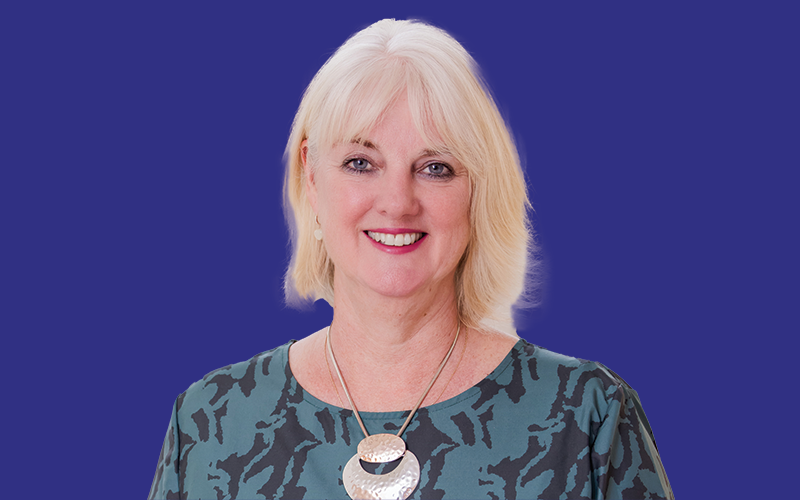
Gill Walton
CEO, General Secretary and Chief Midwife,
Royal College of Midwives
Gill Walton is the Royal College of Midwives’ CEO, General Secretary and Chief Midwife. Gill is an experienced and acknowledged midwifery leader. Her focus at the RCM is to advocate for members as both a trade union and a professional association, ensuring that members are supported throughout their career and ensure their voices are heard by policy makers, employers and other stakeholders.
Her passion for promoting a multidisciplinary respectful working through One Voice, with the RCOG and other partners, is role modelling an approach essential to maternity safety and improvement. Before joining the RCM, she was the Director of Midwifery and Maternity Services at Portsmouth Hospitals and held similar posts at the Royal Berkshire Hospitals, Barking and Havering and Redbridge, and the John Radcliffe in Oxford.
In the NHS Gill led many maternity transformation programmes and has been involved in national strategic policy developments including work with the Nursing and Midwifery Council, Department of Health & Social Care and other regional strategic bodies.
About Gill Walton
Gill Walton is the Royal College of Midwives’ CEO, General Secretary and Chief Midwife. Gill is an experienced and acknowledged midwifery leader. Her focus at the RCM is to advocate for members as both a trade union and a professional association, ensuring that members are supported throughout their career and ensure their voices are heard by policy makers, employers and other stakeholders.
Her passion for promoting a multidisciplinary respectful working through One Voice, with the RCOG and other partners, is role modelling an approach essential to maternity safety and improvement. Before joining the RCM, she was the Director of Midwifery and Maternity Services at Portsmouth Hospitals and held similar posts at the Royal Berkshire Hospitals, Barking and Havering and Redbridge, and the John Radcliffe in Oxford.
In the NHS Gill led many maternity transformation programmes and has been involved in national strategic policy developments including work with the Nursing and Midwifery Council, Department of Health & Social Care and other regional strategic bodies.

Varshali Swadi
Professional Engagement and Development Lead,
Down’s Syndrome Scotland
Varshali leads on training, professional engagement, and resource development across education and health sectors. She joined DSS in 2017, following ten years with the National Deaf Children’s Society and previous roles in education both in India and the UK.
Varshali holds a Master’s degree in Economics and a Postgraduate qualification in Early Years Education. With over 20 years’ experience in the Third Sector, she has contributed to national work on neonatal and healthcare pathways for babies with Down’s syndrome and supports inclusive practice in schools through tailored training and resources.
Fluent in English, Marathi, and Hindi, and holding Level 2 BSL, she brings strong communication and cultural insight to her work. Outside of DSS, she volunteers for SAVE-UK ,a charity supporting women and children across SAARC countries. Varshali enjoys spending time with her family and dog, Oreo. She is an enthusiastic home cook and loves exploring new cuisines and cultures through travel.
About Varshali Swadi
Varshali leads on training, professional engagement, and resource development across education and health sectors. She joined DSS in 2017, following ten years with the National Deaf Children’s Society and previous roles in education both in India and the UK.
Varshali holds a Master’s degree in Economics and a Postgraduate qualification in Early Years Education. With over 20 years’ experience in the Third Sector, she has contributed to national work on neonatal and healthcare pathways for babies with Down’s syndrome and supports inclusive practice in schools through tailored training and resources.
Fluent in English, Marathi, and Hindi, and holding Level 2 BSL, she brings strong communication and cultural insight to her work. Outside of DSS, she volunteers for SAVE-UK ,a charity supporting women and children across SAARC countries. Varshali enjoys spending time with her family and dog, Oreo. She is an enthusiastic home cook and loves exploring new cuisines and cultures through travel.
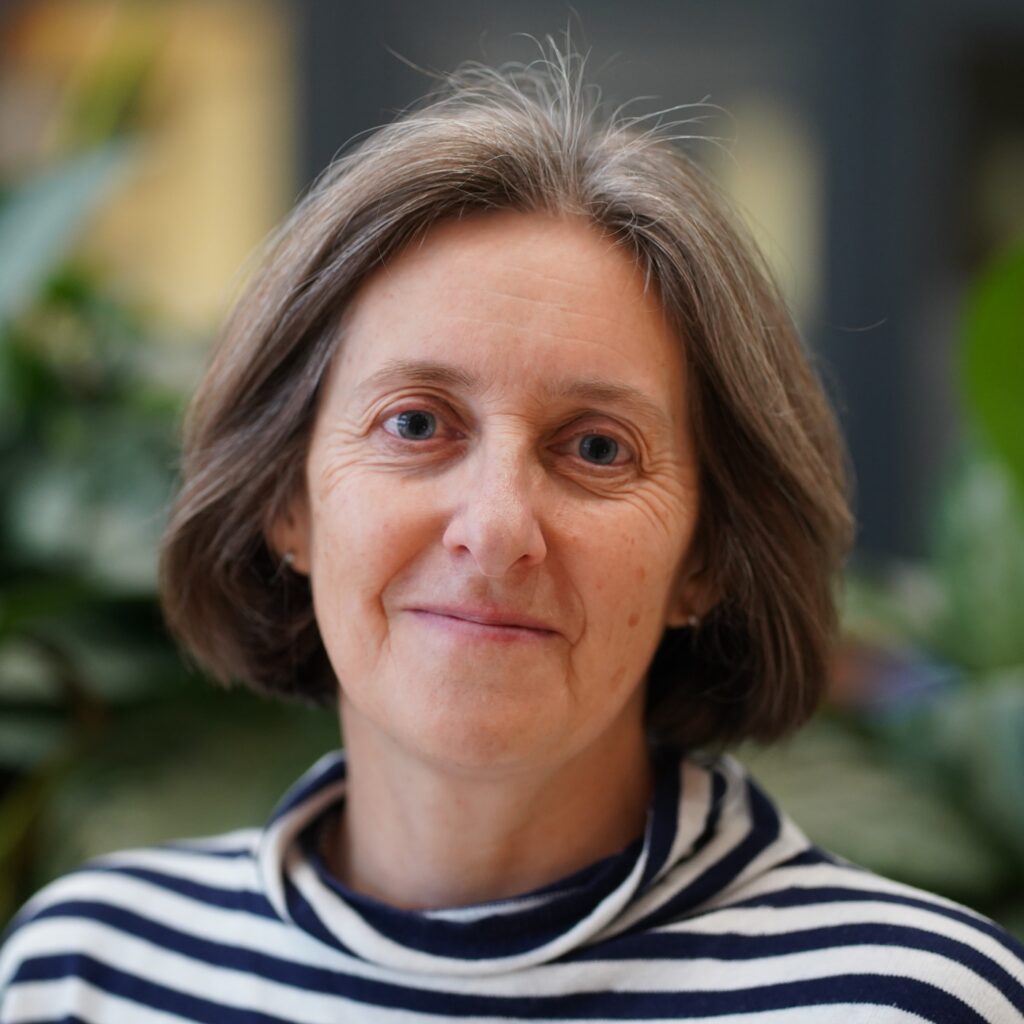
Rachel Rowe
DPhil, Professor of Maternity Services Research Head of the UK Midwifery Study System (UKMidSS),
University of Oxford
Rachel is a Professor of Maternity Services Research in the NPEU; her research interests include intrapartum care, the organisation of maternity care and women’s experience of care, with a particular focus on midwifery-led settings. Her DPhil on transfer from midwifery unit to obstetric unit during labour was funded by a National Institute of Health Research (NIHR) Researcher Development Award, and carried out alongside the Birthplace prospective cohort study, which evaluated the safety of birth in different settings. After receiving her doctorate she managed a programme of further analyses of the Birthplace data and Listening to Parents, a national survey of the maternity care experience of women who have had a stillborn baby or a baby who has died as a newborn.
Funded by an NIHR Post Doctoral Fellowship from 2015-18, Rachel set up and now leads the UK Midwifery Study System (UKMidSS), a national research infrastructure for carrying out observational studies and surveys of practice in midwifery units. She is a co-investigator for the NIHR Policy Research Unit in Maternal and Neonatal Health and Care and Chief Investigator for Listen2Baby, an NIHR-funded study aiming to improve the way that midwives monitor fetal wellbeing during labour and co-Chief Investigator for OPTIM-I, also funded by NIHR. Led by Jen MacLellan, this study is aiming to optimise the use of professionally trained interpreters in maternity services.
About Rachel Rowe
Rachel is a Professor of Maternity Services Research in the NPEU; her research interests include intrapartum care, the organisation of maternity care and women’s experience of care, with a particular focus on midwifery-led settings. Her DPhil on transfer from midwifery unit to obstetric unit during labour was funded by a National Institute of Health Research (NIHR) Researcher Development Award, and carried out alongside the Birthplace prospective cohort study, which evaluated the safety of birth in different settings. After receiving her doctorate she managed a programme of further analyses of the Birthplace data and Listening to Parents, a national survey of the maternity care experience of women who have had a stillborn baby or a baby who has died as a newborn.
Funded by an NIHR Post Doctoral Fellowship from 2015-18, Rachel set up and now leads the UK Midwifery Study System (UKMidSS), a national research infrastructure for carrying out observational studies and surveys of practice in midwifery units. She is a co-investigator for the NIHR Policy Research Unit in Maternal and Neonatal Health and Care and Chief Investigator for Listen2Baby, an NIHR-funded study aiming to improve the way that midwives monitor fetal wellbeing during labour and co-Chief Investigator for OPTIM-I, also funded by NIHR. Led by Jen MacLellan, this study is aiming to optimise the use of professionally trained interpreters in maternity services.

Jane Bekoe
Head of Equality, Diversity & Inclusion,
The Royal College of Midwives
Her expertise spans midwifery practice, management, strategic leadership, project delivery, volunteering, and coaching across diverse settings. A committed advocate for equity, workforce wellbeing, and inclusive cultures, she drives meaningful change through advocacy, trade union engagement, Board governance, policy development, reverse mentoring, coaching, and international partnerships. She actively contributes to stakeholder and advisory groups focused on social justice and solidarity. She is the 2026 Zenith Global Award recipient for Diversity, Equity & Inclusion, recognised for her international work in maternity services. She also collaborated with external partners and maternity services to develop an interactive film and toolkit.
About Jane Bekoe
Her expertise spans midwifery practice, management, strategic leadership, project delivery, volunteering, and coaching across diverse settings. A committed advocate for equity, workforce wellbeing, and inclusive cultures, she drives meaningful change through advocacy, trade union engagement, Board governance, policy development, reverse mentoring, coaching, and international partnerships. She actively contributes to stakeholder and advisory groups focused on social justice and solidarity. She is the 2026 Zenith Global Award recipient for Diversity, Equity & Inclusion, recognised for her international work in maternity services. She also collaborated with external partners and maternity services to develop an interactive film and toolkit.
Jennifer McGeeney
Healthcare Training Coordinator ,
Down Syndrome UK
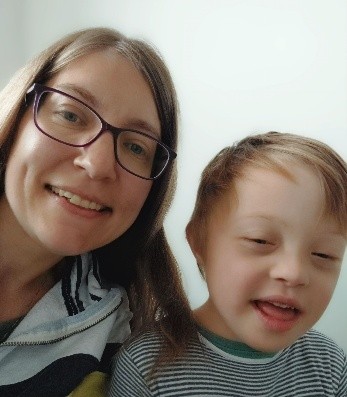
Jennifer is the Healthcare Training Coordinator at Down Syndrome UK, where she supports healthcare professionals working with children with Down syndrome and their families. Her role involves promoting training and resources, sharing positive and accurate information about Down syndrome, and helping to improve understanding of what life with Down syndrome looks like in the 21st century. Jennifer is also a parent to her five-year-old child, who has Down syndrome.
About Jennifer McGeeney
Jennifer is the Healthcare Training Coordinator at Down Syndrome UK, where she supports healthcare professionals working with children with Down syndrome and their families. Her role involves promoting training and resources, sharing positive and accurate information about Down syndrome, and helping to improve understanding of what life with Down syndrome looks like in the 21st century. Jennifer is also a parent to her five-year-old child, who has Down syndrome.
Liz Miller
Teacher, Senior Lecturer/Lead Midwife for Education Programme Lead Cert HE Maternity Care Assistant ,
University of the West of Scotland
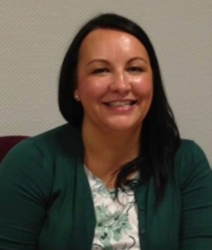
Liz has been a midwife since 2002, with extensive experience in clinical practice, practice education and midwifery education. She is currently the Lead Midwife for Education at the University of the West of Scotland and has led the Cert HE Maternity Care Assistant Programme for the past ten years. She successfully developed and validated the programme in collaboration with key stakeholders. She is currently studying for a Professional Doctorate with an interest in how University processes support students who undergo fitness to practice . Liz is a recognised Nursing and Midwifery Council teacher, fellow of the Higher Education Academy and a Nursing and Midwifery appointed Quality Assurance Visitor.
Her professional interests include maternity care assistants, quality assurance and fitness to practise.
About Liz Miller
Liz has been a midwife since 2002, with extensive experience in clinical practice, practice education and midwifery education. She is currently the Lead Midwife for Education at the University of the West of Scotland and has led the Cert HE Maternity Care Assistant Programme for the past ten years. She successfully developed and validated the programme in collaboration with key stakeholders. She is currently studying for a Professional Doctorate with an interest in how University processes support students who undergo fitness to practice . Liz is a recognised Nursing and Midwifery Council teacher, fellow of the Higher Education Academy and a Nursing and Midwifery appointed Quality Assurance Visitor.
Her professional interests include maternity care assistants, quality assurance and fitness to practise.

Keya Smith
Clinical Education Midwife,
NHS Fife
Keya is an experienced clinical midwife who has worked in a variety of maternity environments. She is currently the Clinical Education Midwife within NHS Fife and Co-chair of the RCM Educator Network
Keya is in her final year of her Masters academic journey in Health Professions Education at the University of St Andrews. She is a champion for interprofessional education and has a real passion for equity in maternity care.
About Keya Smith
Keya is an experienced clinical midwife who has worked in a variety of maternity environments. She is currently the Clinical Education Midwife within NHS Fife and Co-chair of the RCM Educator Network
Keya is in her final year of her Masters academic journey in Health Professions Education at the University of St Andrews. She is a champion for interprofessional education and has a real passion for equity in maternity care.

Susanne Morrison
Midwifery Lecturer ,
University of the West of Scotland
About Susanne Morrison

Angela Constance
Cabinet Secretary for Health and Care,
Prior to 2007, she worked as a social worker and mental health officer and was a local councillor in Livingston.
She has been a Member of the Scottish Parliament since May 2007, first for the Livingston constituency and now for the Almond Valley constituency.
She has served as Minister for Youth Employment and Cabinet Secretary for Training, Youth and Women’s Employment, Cabinet Secretary for Education and Lifelong Learning and Cabinet Secretary for Communities, Social Security and Equalities. Also a former Minister for Drugs Policy Ms Constance served as Cabinet Secretary for Justice and Home Affairs for more than three years until being appointed to her current role.
About Angela Constance
Prior to 2007, she worked as a social worker and mental health officer and was a local councillor in Livingston.
She has been a Member of the Scottish Parliament since May 2007, first for the Livingston constituency and now for the Almond Valley constituency.
She has served as Minister for Youth Employment and Cabinet Secretary for Training, Youth and Women’s Employment, Cabinet Secretary for Education and Lifelong Learning and Cabinet Secretary for Communities, Social Security and Equalities. Also a former Minister for Drugs Policy Ms Constance served as Cabinet Secretary for Justice and Home Affairs for more than three years until being appointed to her current role.

Dr Tom McEwan
Public Services Delivery Scotland,
Professional Lead Midwife & Principal Educator
Lead Midwife and Principal Educator within Public Services Delivery Scotland. He is the Consultant Editor for the British Journal of Midwifery and has published numerous peer reviewed articles and contributes to midwifery textbooks. He is a Fellow of the Royal College of Midwives, a Senior Fellow of the Higher Education Academy and holds a Doctorate in Professional Studies. He is a trustee for the Lullaby Trust and was an expert advisor to the National Maternity and Neonatal Investigation in England, led by Baroness Amos. Tom has many years of experience as a midwife, advanced clinical practitioner, academic, educator, researcher and professional leader.
About Dr Tom McEwan
Lead Midwife and Principal Educator within Public Services Delivery Scotland. He is the Consultant Editor for the British Journal of Midwifery and has published numerous peer reviewed articles and contributes to midwifery textbooks. He is a Fellow of the Royal College of Midwives, a Senior Fellow of the Higher Education Academy and holds a Doctorate in Professional Studies. He is a trustee for the Lullaby Trust and was an expert advisor to the National Maternity and Neonatal Investigation in England, led by Baroness Amos. Tom has many years of experience as a midwife, advanced clinical practitioner, academic, educator, researcher and professional leader.
Susanne Morrison
Midwifery Lecturer,
University of the West of Scotland
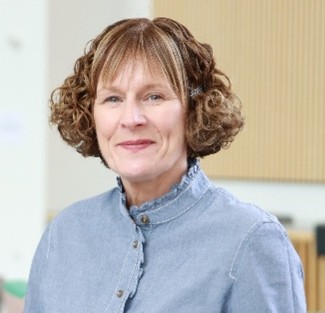
Susanne is currently a Midwifery Lecturer at the University of the West of Scotland (UWS). She joined the midwifery lecturer team at UWS in 2014, as a Clinical Midwifery Lecturer, this was her first role within an approved education institution (AEI). Susanne’s key responsibilities lie within teaching and assessment on all Parts of the MSc / BSc pre-registration midwifery programmes. She was Programme Lead for the MSc programme and is currently the midwifery Admissions Lead at UWS. Other key roles include chairing the Midwifery Practice Assessment Document (MPAD) Scotland group since March 2018 and co-chairing the Royal College of Midwives (RCM) Strategic Midwifery Leadership Group (SMiLe) Scottish Educator Network since August 2024. Susanne is also a British Journal of Midwifery Reviewer.
Prior to moving into a AEI setting, Susanne spent 22 years as a qualified midwife in Lanarkshire, gaining experience throughout many areas of clinical midwifery practice, including community and working within both the LDRP and traditional models of midwifery care. She was a member of the Clinical Effectiveness Group ensuring that clinical guidelines were based on best current research evidence. Also, Susanne is a qualified Registered General Nurse (RGN) and prior to moving into midwifery gained ward management experience within general nursing, celebrating 40 years since starting nursing in August this year.
About Susanne Morrison
Susanne is currently a Midwifery Lecturer at the University of the West of Scotland (UWS). She joined the midwifery lecturer team at UWS in 2014, as a Clinical Midwifery Lecturer, this was her first role within an approved education institution (AEI). Susanne’s key responsibilities lie within teaching and assessment on all Parts of the MSc / BSc pre-registration midwifery programmes. She was Programme Lead for the MSc programme and is currently the midwifery Admissions Lead at UWS. Other key roles include chairing the Midwifery Practice Assessment Document (MPAD) Scotland group since March 2018 and co-chairing the Royal College of Midwives (RCM) Strategic Midwifery Leadership Group (SMiLe) Scottish Educator Network since August 2024. Susanne is also a British Journal of Midwifery Reviewer.
Prior to moving into a AEI setting, Susanne spent 22 years as a qualified midwife in Lanarkshire, gaining experience throughout many areas of clinical midwifery practice, including community and working within both the LDRP and traditional models of midwifery care. She was a member of the Clinical Effectiveness Group ensuring that clinical guidelines were based on best current research evidence. Also, Susanne is a qualified Registered General Nurse (RGN) and prior to moving into midwifery gained ward management experience within general nursing, celebrating 40 years since starting nursing in August this year.
Dr Heather Bower
The Royal College of Midwives,
Head of Midwifery Education
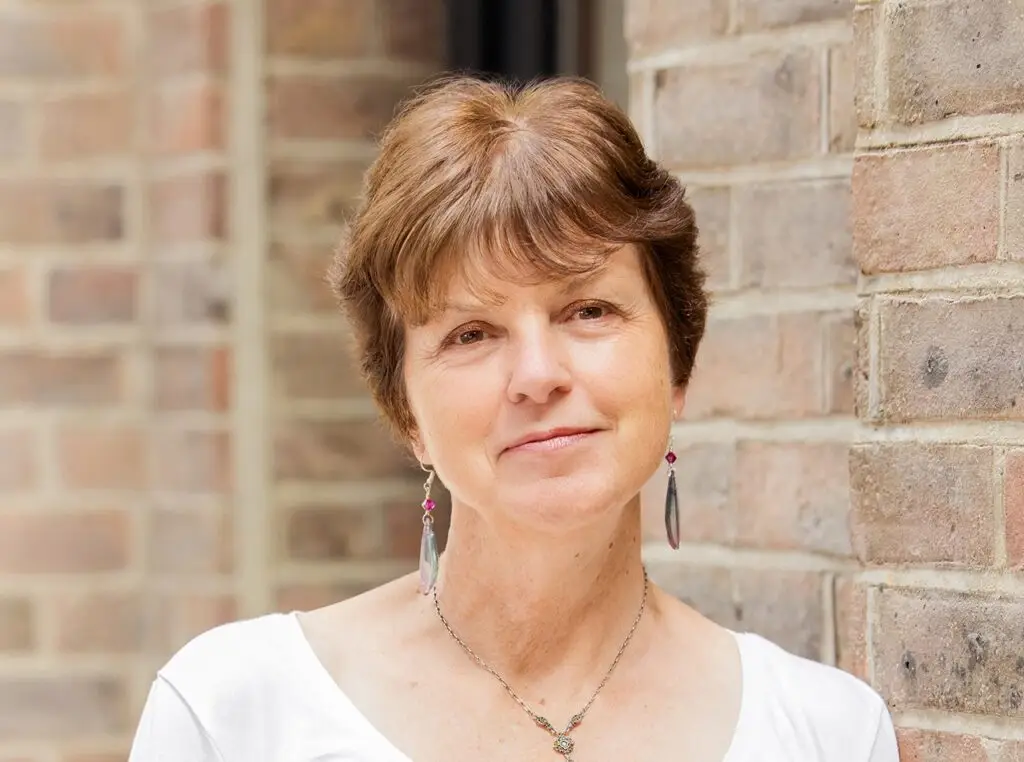
Heather is Head of Midwifery Education at the Royal College of Midwives. Previously, she worked in midwifery education for over 20 years and was the Lead Midwife for Education at two English universities. Her doctoral research is in the transition from student to newly qualified midwife and what encourages midwives to stay in midwifery.
As Head of Education, Heather works closely with a number of organisations including the Nursing and Midwifery Council, the Lead Midwives for Education Strategic Reference Group, the Council of Deans and national groups, such as Public Services Delivery, Scotland. She facilitated the RCM work on decolonising midwifery education and continues to promote inclusion and diversity in all aspects of midwifery and maternity care. Her current work is about promoting awareness of the challenges facing midwifery education and campaigning for change across the UK.
About Dr Heather Bower
Heather is Head of Midwifery Education at the Royal College of Midwives. Previously, she worked in midwifery education for over 20 years and was the Lead Midwife for Education at two English universities. Her doctoral research is in the transition from student to newly qualified midwife and what encourages midwives to stay in midwifery.
As Head of Education, Heather works closely with a number of organisations including the Nursing and Midwifery Council, the Lead Midwives for Education Strategic Reference Group, the Council of Deans and national groups, such as Public Services Delivery, Scotland. She facilitated the RCM work on decolonising midwifery education and continues to promote inclusion and diversity in all aspects of midwifery and maternity care. Her current work is about promoting awareness of the challenges facing midwifery education and campaigning for change across the UK.

Professor Christine McCourt
Professor of Maternal and Child Health,
Centre for Maternal and Child Health Research, City St George’s
Christine is Professor of Maternal and Child Health at City St George’s where she leads the Centre for Maternal and Child Health Research.
Her key interests are in service providers’ and users’ experiences of care, the culture and organisation of care and application of anthropological theory and methodology to healthcare, particularly in researching complex interventions, implementation of evidence-based practice and service change and improvement.
Recent research has focused on informed choice and care experiences, place of birth, induction of labour, group care and continuity of carer models and on approaches to improve equity as well as quality and safety in care. In addition to research, she has extensive experience of project management and supervision of postgraduate and doctoral studies.
Through all this work, her primary interest is in research and education to serve excellent healthcare practice and experience.
About Professor Christine McCourt
Christine is Professor of Maternal and Child Health at City St George’s where she leads the Centre for Maternal and Child Health Research.
Her key interests are in service providers’ and users’ experiences of care, the culture and organisation of care and application of anthropological theory and methodology to healthcare, particularly in researching complex interventions, implementation of evidence-based practice and service change and improvement.
Recent research has focused on informed choice and care experiences, place of birth, induction of labour, group care and continuity of carer models and on approaches to improve equity as well as quality and safety in care. In addition to research, she has extensive experience of project management and supervision of postgraduate and doctoral studies.
Through all this work, her primary interest is in research and education to serve excellent healthcare practice and experience.