In which country of the UK or Channel Islands do you currently work in?
England
Place of work
University of Birmingham
Role
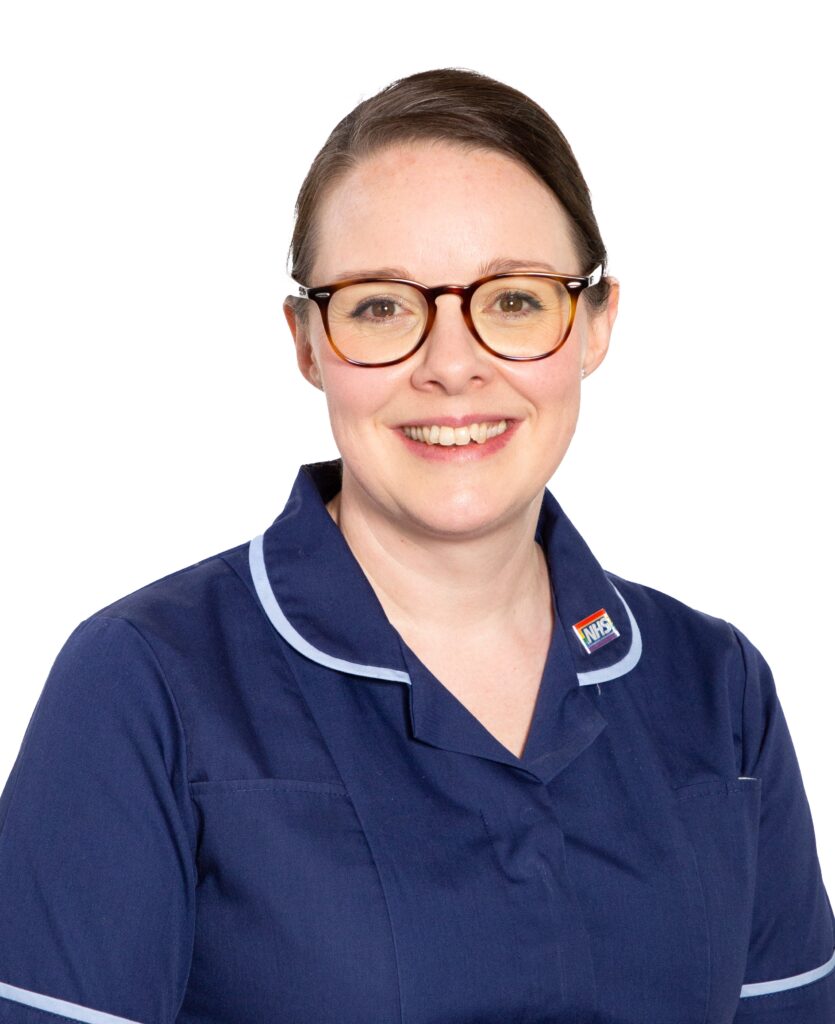
Research Midwife
How did you come to be in your current role?
My journey into research began as a midwife. After qualifying in 2010, I spent several years working as a community midwife and on a birth centre. I enjoyed the clinical side of midwifery but increasingly found myself drawn to understanding how we could make care better on a wider scale. Questions that started in practice about why services varied and how to prevent avoidable complications led me to explore opportunities to do research.
In 2014, I applied and was successful in obtaining an NIHR-funded doctoral studentship to explore the relationship between length of stay and infant readmissions to hospital. At the time, the NHS Trust that I was employed by could not support a career break for research so I made the difficult decision to leave my clinical role. It was a leap into the unknown, but I felt strongly that research was how I could make the biggest difference to women’s care.
Doing a PhD at the University of Birmingham gave me a strong foundation in mixed methods research and the chance to collaborate with others working in applied health research.
What have been the key moments for you in your career journey to get you to where you are now?
Completing my PhD in 2019 was a huge milestone and opened the door to other maternity research projects.
After my PhD, I worked as research midwife on the NIHR funded APPEAL programme, a national midwife-led intervention to help prevent postnatal urinary incontinence. Being part of a multidisciplinary research team of obstetricians, trialists, statisticians, psychologists and physiotherapists gave me invaluable experience in conducting clinical trials within the NHS. The APPEAL intervention is now endorsed by NHS England and implemented across maternity services, something that has been incredibly rewarding.
In 2023, I was awarded a 6-year NIHR post- doctoral Advanced Fellowship which supports my current programme of work developing and evaluating smoking cessation interventions for pregnant women with severe mental illness. This fellowship allows me to lead research that sits at the intersection of perinatal mental health, inequality, and behaviour change, areas that are still too often overlooked in maternity care.
Alongside this, I am also a co-applicant on several other studies including PRE-EMPT (preventing preterm birth in nulliparous women through cervical length screening) and PROSPER (A randomised controlled trial evaluating the efficacy and mechanisms of online perinatal emotional skills groups compared to treatment as usual for women and birthing people with borderline personality disorder).
What have been the challenges and triumphs in your career journey into current role?
One of the biggest challenges was leaving the safety of the NHS at a relatively early stage in my career. The lack of institutional support for midwives wanting to pursue research, whilst improving, still remains an issue. There can still be a tendency within parts of the NHS to view academic progression as ‘stepping away’ from midwifery, rather than advancing the profession through evidence-based practice.
What advice or top tips would you have for anyone looking to a career move into your role?
Stay curious and let the questions that arise in clinical practice inspire you. Find mentors whose work you admire and learn from their experience. Be open to taking opportunities, even when they feel uncertain; leaving a secure clinical role was daunting, but it led to new possibilities I couldn’t have imagined. Midwives bring invaluable insight to research, and keeping close to clinical colleagues helps ensure that our work remains relevant and grounded in the realities of maternity care.
What do you love about your role today?
As a NIHR Advanced Research Fellow at the University of Birmingham, I lead and collaborate on studies aimed at improving maternity care and reducing inequalities in outcomes for women and babies. I continue to collaborate closely with NHS partners to ensure that findings translate into real change.
I still see myself as a midwife first, one who happens to work in research rather than on the labour ward.
What I love about my job is that when you identify a research question or problem, you can turn it into a project that leads to real impact. It’s a great time to be a midwife interested in research – NIHR are actively supporting more midwives into academic careers.
I hope my journey highlights that, while clinical and academic careers in midwifery are not always easy to combine, both are vital to improving care and our profession thrives when research and practice are valued equally.