
Vitamin B12

Syringe and vitamins_CREDIT_Shutterstock-2735347349

Maternal requirements for vitamin B12 (cobalamin) increase significantly during pregnancy to support cellular division and foetal development. When these levels drop it affects mother and baby. 1 The ‘diet-only’ myth While nutritional insufficiency is common – particularly for vegan or strict vegetarian diets – it is not the sole cause. Pernicious anaemia is a distinct, […]

TUC Cymru Congress
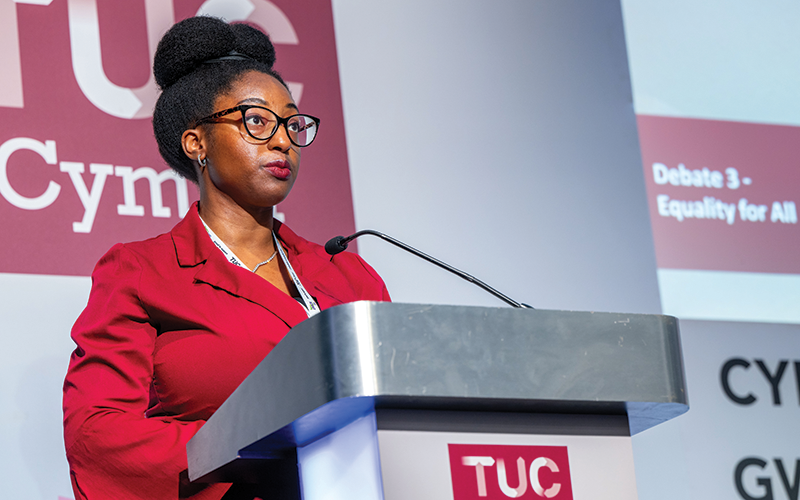
RCM member Le'Shaé Woodstock_CREDIT_RCM:Natasha Hirst-177-tucc 2026 -2760

In May, RCM Cymru was proud to attend TUC Cymru Congress in Llandudno, joining trade union colleagues to debate, challenge and shape the future of our workplaces. Congress is always a powerful space, bringing together voices from across sectors, but with workforce pressures, increasing demand and awareness of inequalities in health outcomes, this year felt particularly important. […]

We’re stronger together

Gill Walton headshot_CREDIT_Supplied

This October marks the 50th anniversary of RCM becoming a recognised trade union and we aren’t letting that pass quietly! The RCM is the only dedicated trade union for midwives and maternity support workers (MSWs), run by midwives and MSWs. And that matters because it means we understand the detail of your working lives because […]

Stronger together
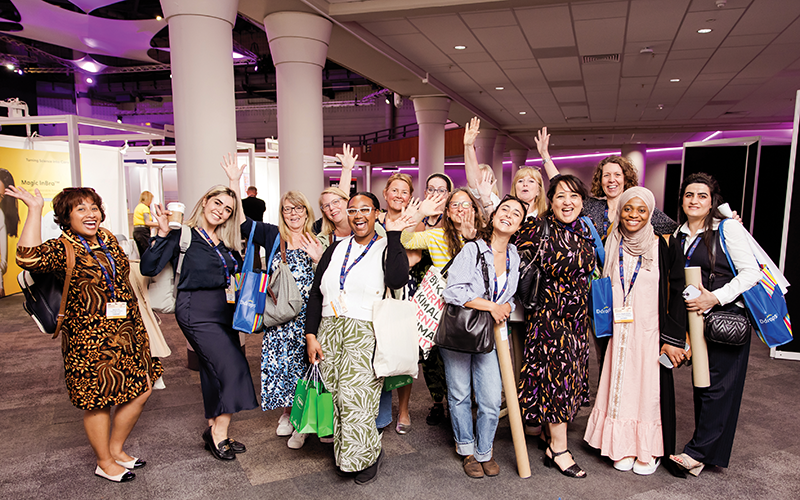
RCM General Exhibition Conference_CREDIT_Kate Darkins-105.png

Did you know that in 1995 the RCM negotiated Executive Letter (95)77, which provided guidance to NHS trusts on grading and pay structures to match the expanded clinical roles, responsibilities and 24/7 autonomy expected of modern midwives? Or that, in 1997, Karlene Davis became Britain’s first black woman trade union leader as RCM general secretary? Starting in October, […]

Meet them where they are

Illustration of person holding an umbrella_CREDIT_iStock-504075250

The National Bereavement Care Pathway is designed to ensure that bereaved families receive compassionate, high-quality, equitable and personalised support following loss. Angela says: “The training helps you feel confident and prepared when providing bereavement care; to be able to work out what a family needs and support their wishes when they aren’t necessarily able to […]

Trauma-informed care

Illustration of three profiles_CREDIT_Shutterstock-2307864045.png

When faced with unexpected or challenging behaviours, we often ask: “What’s wrong with you?” Yet we rarely ask: “What happened to you?” Trauma-informed care is about shifting that perspective. Rather than treating behavioural struggles or distress as a personal defect, it reframes the resulting responses as perfectly normal adaptations to abnormal or frightening life events. […]

Ystafell mamau

A dedicated infant feeding room that’s comfortable and quiet

Across Wales, progress is being made to better support employees returning to work after maternity leave, particularly those who are breastfeeding. Midwives and maternity support workers know how essential breastfeeding support is for families, yet many healthcare staff still face unnecessary barriers when navigating their own return to employment. RCM Cymru, alongside All Wales Infant […]

All the help you need

Business team celebrate birthday party flat vector illustration . CREDIT_iStock

RCM activist Hannah Beardmore’s branch Doncaster and Bassetlaw has won two RCM activist awards – one for an equality, diversity and inclusion (EDI) campaign, which celebrates an outstanding campaign or event that has championed fairness, representation and inclusion, and one for a branch learning event or campaign, which recognises an exceptional commitment to education, skills […]

Proud to be…

Five women creating a colorful mosaic. CREDIT_Astrid-Weguelin

In the run-up to International Day of the Midwife in May, the RCM launched the #proudtobe campaign to celebrate midwives, maternity support workers (MSWs), student midwives and maternity educators across the UK. It’s a bold campaign that recognises the unity of maternity teams and the strength of individuals, and its relevance extends far beyond a […]

Civility saves lives

Rozmowa w Trybie AITwoje wysłane elementy: 1 obrazIlustracja przedstawia grupę pięciu kobiet wspólnie układających dużą, okrągłą mozaikę o bogatych, geometrycznych i roślinnych wzorach przypominających tradycyjną sztukę zellidże lub mandalę.Dzieło to ma silny wydźwięk symboliczny i niesie za sobą kilka kluczowych znaczeń:Wspólnota i współpraca: Ukazywanie postaci pracujących razem nad jednym projektem symbolizuje siłę kolektywnego działania, jedność oraz wzajemne wsparcie.Różnorodność i inkluzywność: Kobiety różnią się od siebie odcieniami skóry, fryzurami, wiekiem oraz stylem ubioru (jedna z nich nosi hidżab, inne mają różne upięcia lub tekstury włosów). Reprezentuje to globalną solidarność kobiet (siostrzeństwo) bez względu na pochodzenie czy kulturę.Kreowanie i budowanie: Sam proces układania mozaiki (gdzie każda kobieta dokłada mniejsze, kolorowe elementy z miseczek) jest metaforą budowania społeczeństwa, pokoju, wspólnej przyszłości lub uzdrawiania relacji – każdy unikalny element ma znaczenie dla finalnego, pięknego efektu.Grafika ta jest często wykorzystywana jako ilustracja w materiałach edukacyjnych, artykułach oraz publikacjach międzynarodowych organizacji (takich jak CONCORD Europe) poruszających tematykę równości płci (Gender Equality), praw kobiet oraz inkluzywności społecznej.Jeśli chcesz dowiedzieć się więcej o tym obrazie, daj mi znać:Czy szukasz nazwiska konkretnego autora/autorki tej ilustracji?Czy interesuje Cię konkretny artykuł lub organizacja, która używa tej grafiki?Czy chcesz znaleźć podobne dzieła sztuki o tematyce kobiecej współpracy?Odpowiedzi wygenerowane przez AI mogą zawierać błędy. Więcej informacjiTwoje słowa: opisz zdjcie 5-6 wyrazow po angilskuFive women creating a colorful mosaic.Odpowiedzi wygenerowane przez AI mogą zawierać błędy. Więcej informacjiTwoje wysłane elementy: 1 obrazZdjęcie przedstawia pielęgniarkę pobierającą krew od pacjentki. Poniżej znajduje się opis kluczowych elementów widocznych na ilustracji.Wygląd i czynności postaciPielęgniarka:Nosi jasnoniebieski mundur medyczny.Ma założone niebieskie rękawiczki jednorazowe.Wprowadza igłę do żyły w zgięciu łokciowym pacjentki.Włosy ma spięte w kucyk.Pacjentka:Siedzi na krześle, tyłem do obiektywu.Ma długie, rude włosy.Jej ramię spoczywa na poduszce.Na przedramieniu ma zaciśniętą zieloną stazę (opaskę uciskową).Otoczenie gabinetuTło:Ściany gabinetu są pomalowane na różowy kolor.W tle stoi biurko, na którym znajduje się otwarty laptop.Na ścianie wisi plakat informacyjny lub ulotka.Jeśli interesuje Cię temat pobierania krwi, daj mi znać:Czy chcesz dowiedzieć się, jak przygotować się do badania krwi?Czy potrzebujesz informacji, jakie parametry są najczęściej badane?Czy szukasz wskazówek, jak zapobiec siniakom po ukłuciu?Odpowiedzi wygenerowane przez AI mogą zawierać błędy. Więcej informacjiTwoje słowa: po angilsku 5-6 wyrazowNurse taking blood from a patient.Odpowiedzi wygenerowane przez AI mogą zawierać błędy. Więcej informacjiTwoje wysłane elementy: 1 obrazConceptual illustration showing human thoughts and emotions. CREDIT_iStock-2227930916-And-Shutterstock-2727453925_With-Background

RCM’s Safe Staffing = Safe Care campaign has never been more poignant. In the RCM’s flash membership survey, 65% of maternity staff said they have considered leaving due to poor staffing levels and 39% are experiencing a poor workplace culture. When units are understaffed, chronic exhaustion sets in. In this high-pressure environment, people are unlikely […]

Cookie options

Some of these cookies are necessary to make the site work. We’d also like to use optional cookies to help improve your experience on the site. You can manage your optional cookie preferences below. Using this tool will set a cookie on your device to remember your preferences. Your preferences can be changed at any time.
For more detailed information about the cookies we use, see our Privacy Policy

Necessary Cookies

Necessary cookies enable core functionality. The website cannot function properly without these cookies, and can only be disabled by changing your browser preferences.

Analytical Cookies

Analytical cookies are used to collect and report information on how our website is used. This helps us to improve the website based on the needs and behaviour of our visitors.

Marketing Cookies

We use marketing cookies to help us improve the relevancy of advertising campaigns you receive.

This site uses cookies to store information on your computer

Royal College of Midwives uses cookies for website functionality purposes. For more information, please review our privacy notice or review the settings tab.