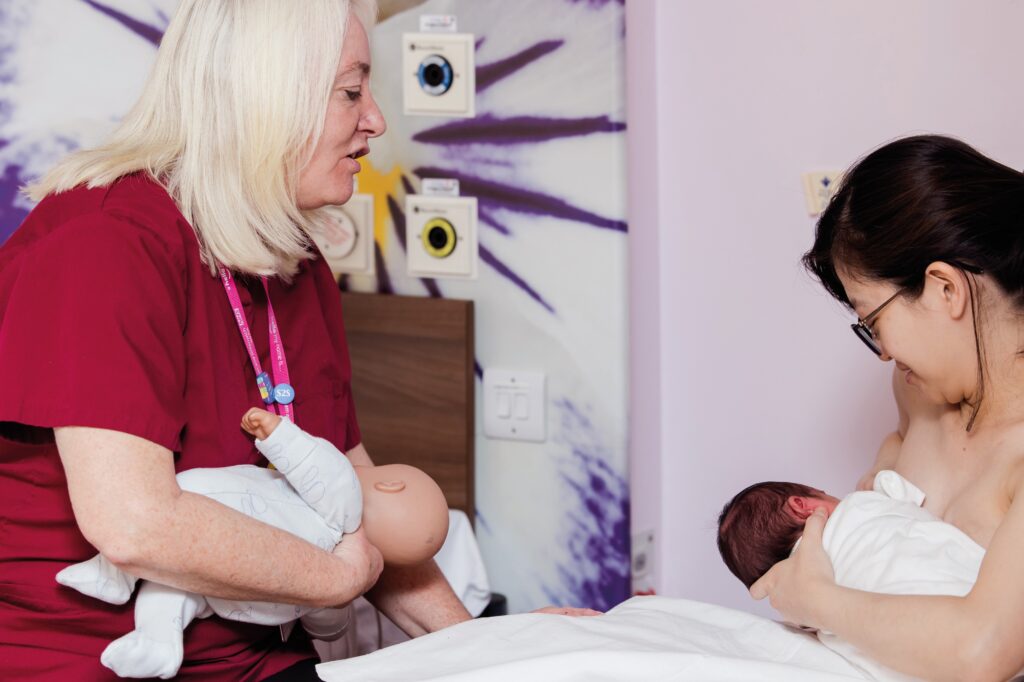
The purpose of this study was to evaluate the implementation and impact of the Kingston University Midwifery Department Wellbeing Agreement, introduced in collaboration with clinical partners and student representatives to address wellbeing challenges faced by midwifery students. The evaluation sought to determine students’ awareness and use of the agreement; perceived benefits in relation to wellbeing and future skills; and any changes in engagement indicators, such as attendance.
Methods
Adopting a pragmatic case-study design, the evaluation combined quantitative and qualitative data. A semi-structured online questionnaire was distributed via the virtual learning environment to all student midwives across two programmes and five cohorts. Forty-four complete responses were analysed following exclusion of incomplete consent data. Quantitative data captured demographics, programme representation and uptake across clinical placement sites, while secondary analysis of SEAts attendance-monitoring system records compared attendance rates before and after implementation. Qualitative data were analysed thematically using Braun & Clarke’s (2023) framework.
Findings
Findings demonstrated variable awareness and engagement with wellbeing initiatives. Students reported strong benefits from activities such as relaxation sessions, reflective practice, physically active sessions and social events, particularly regarding stress reduction, stigma reduction and strengthened peer relationships. Academic and placement support were consistently praised, with personal tutors and clinical practice facilitators recognised as key sources of empathetic and responsive support. Barriers included long commutes, inconsistent scheduling, limited awareness and reduced provision in later programme years. Attendance rates showed a small increase from 77.37 per cent (September-December 2024) to 80.75 per cent (September-December2025), though attribution to the wellbeing agreement was limited by concurrent attendance policy changes.
Conclusion
The study highlights the importance of consistent, well-communicated, and accessible wellbeing provision across programme years. Key recommendations include improving signposting, offering flexible participation options, strengthening engagement among under-represented groups and enhancing collaboration with clinical partners to address cultural challenges. This case study contributes to emerging evidence on wellbeing intervention in midwifery education and offers a model for future development and evaluation.
Some of these cookies are necessary to make the site work. We’d also like to use optional cookies to help improve your experience on the site. You can manage your optional cookie preferences below. Using this tool will set a cookie on your device to remember your preferences. Your preferences can be changed at any time.
For more detailed information about the cookies we use, see our Privacy Policy
Necessary Cookies
Necessary cookies enable core functionality. The website cannot function properly without these cookies, and can only be disabled by changing your browser preferences.
Analytical Cookies
Analytical cookies are used to collect and report information on how our website is used. This helps us to improve the website based on the needs and behaviour of our visitors.
Marketing Cookies
We use marketing cookies to help us improve the relevancy of advertising campaigns you receive.
This site uses cookies to store information on your computer
Royal College of Midwives uses cookies for website functionality purposes. For more information, please review our privacy notice or review the settings tab.