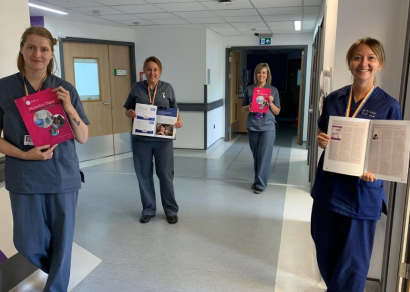
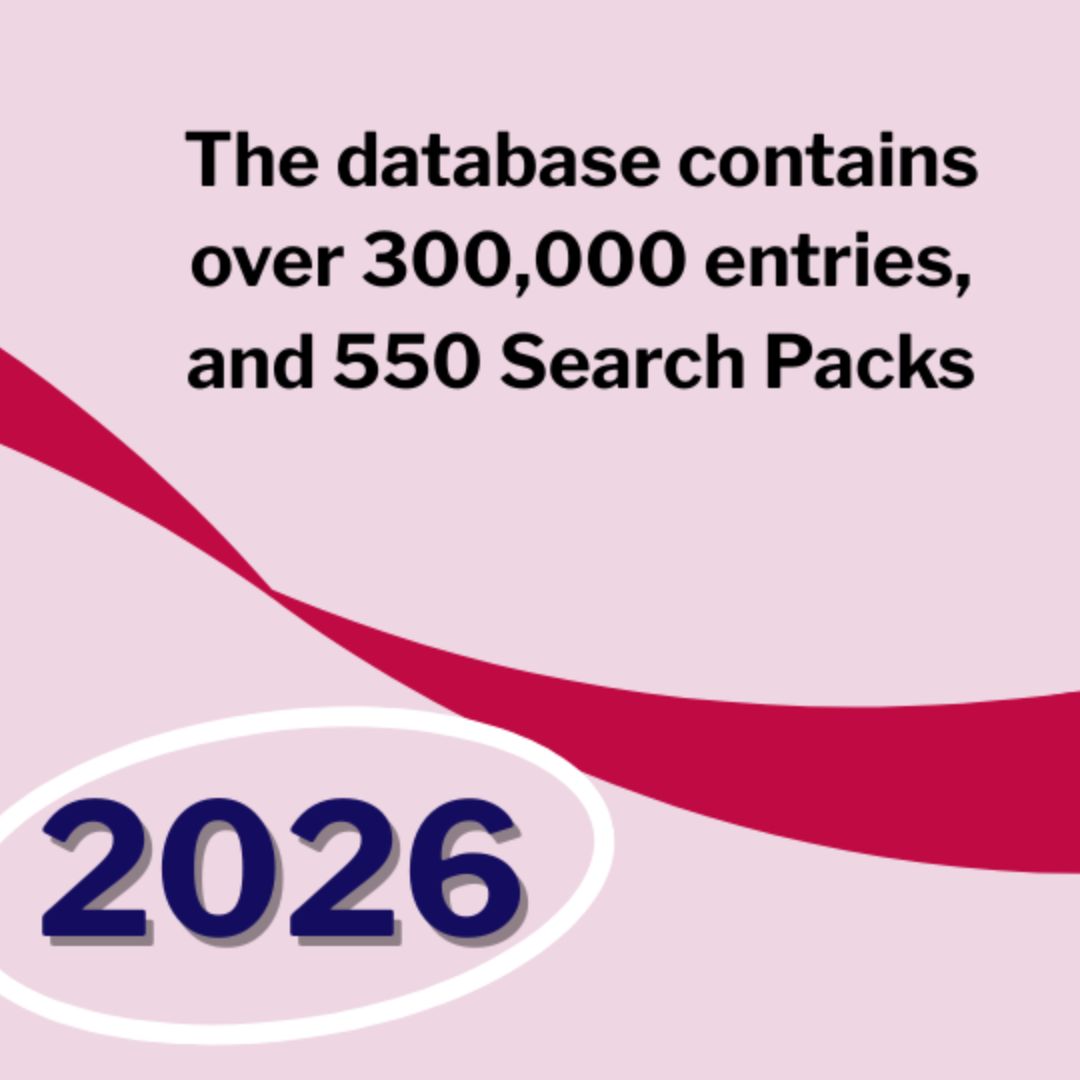
Today, MIDIRS delivers trusted, evidence‑based maternity information to midwives, students and allied health professionals worldwide. Our MIC database – the world’s largest midwifery-specific research database – contains over 300,000 abstracts and 550+ Search Packs. Now in its 35th year, MIDIRS Midwifery Digest continues to champion new research and emerging maternity topics.
We’ve turned our webpage ruby red to celebrate 40 years of helping midwives become “more aware, more knowledgeable, stronger and more able to influence midwifery for the benefit of families everywhere”.
40 years of MIDIRS
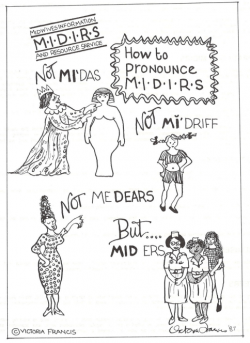
A graphic explaining MIDIRS' pronunication - Information Pack 4, 1987
1983-1985: the initial idea
MIDIRS emerged at a time of significant change, both in midwifery and in the way we accessed information. In midwifery, medicalised practices were becoming increasingly routine and midwifery education was transforming from being hospital-based to university-based. Meanwhile, maternity research was scattered across journals, often inaccessible to midwives. It became clear that midwifery needed to find a way to keep on top of information in this period of rapid change.
The initial idea for a centralised maternity research base came from the Association of Radical Midwives in 1983 when Marianne Scruggs, an American midwife and one of the group’s founding members, articulated her belief that the organisation needed to promote the importance of continual education and professional development for all midwives.
By the end of the year, several meetings had laid the objectives of a new working group, initially called the Midwives Information and Resources Group (MIRG), with the aim of improving the status of midwives by furthering their education.
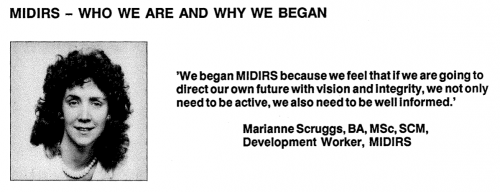
Marianne Scruggs writing in the first Information Pack, March 1986
1986-1988: the birth of MIDIRS
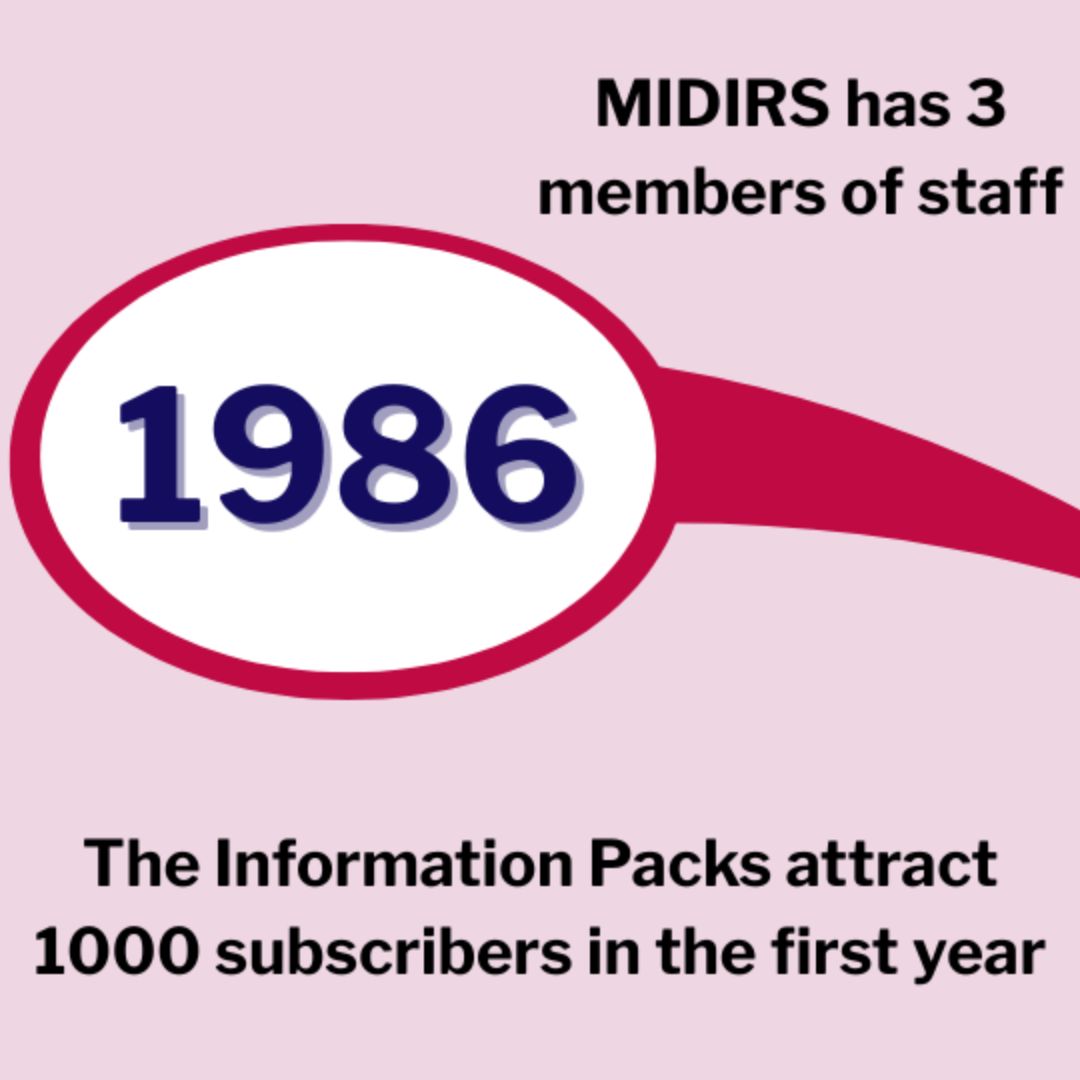
In 1986, Scruggs was awarded £50,000 in funding from the Greater London Council, enabling MIDIRS’ transition from volunteer working group to charitable organisation with its own structure. The early team was small but formidable: Marianne Scruggs as Director, Sue Hawkins as Information Officer and Tricia Anderson as Administration Officer. Core staff continued to receive support from volunteers.
The first office was a modest basement in Camden, London, and it was here that Hawkins spent the early weeks developing an information classification system, foundational work that would continue to underpin MIDIRS’ services for decades. The now-notorious MIDIRS pink was also chosen at this time.
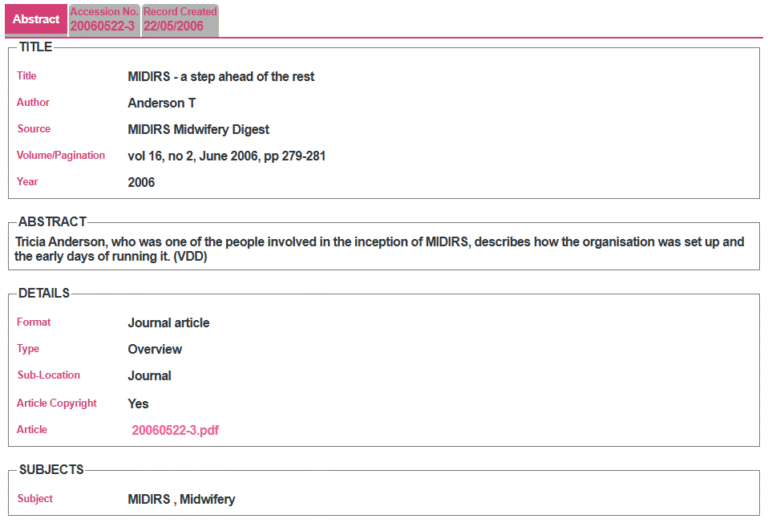
MIDIRS was officially launched on 5 March 1986 with the first Information Pack, a compilation of maternity research designed to ensure that subscribers had not missed anything significant in midwifery and obstetric journals over the previous months. They were initially created by hand, with volunteers brought in to lay out and photocopy information for subscribers. The first three editions attracted over 1000 subscribers.
By 1987, MIDIRS had found its first CEO in Caroline Flint, who had been Chairperson of MIDIRS’ Management Committee since its beginning. Development of an online database began with support from the King Edward’s Hospital Fund for London. The following year, MIDIRS began organising Hot Topics conferences across the UK to maximise accessibility, events that attracted several hundred midwives at a time. MIDIRS moved its office to the nurses’ home at Westminster Hospital in this period, bringing with it a view of Big Ben and a sun terrace, to the delight of staff.
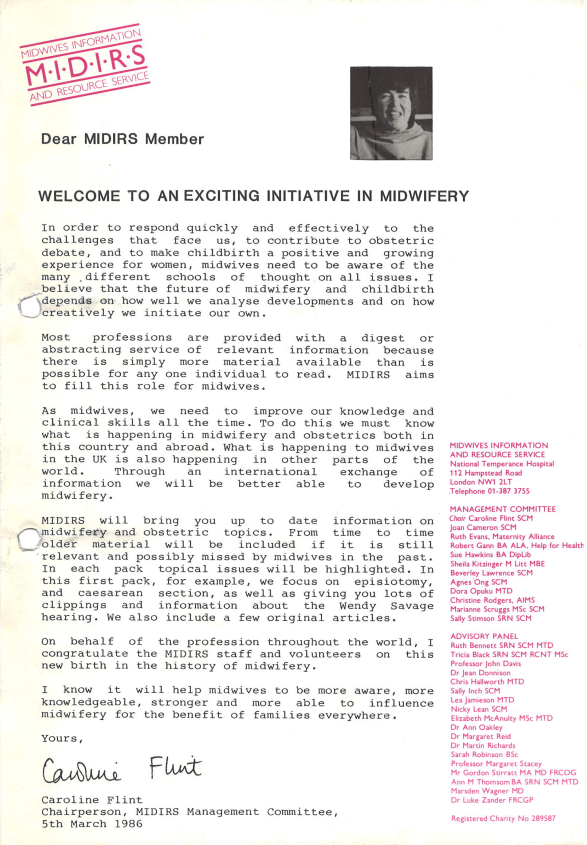
Caroline Flint's introduction to the first Information Pack, March 1986
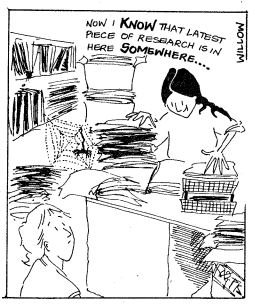
A cartoon depicting the need for a maternity research database - MIDIRS Fact Pack, 1989
1989-1995: the move to Bristol
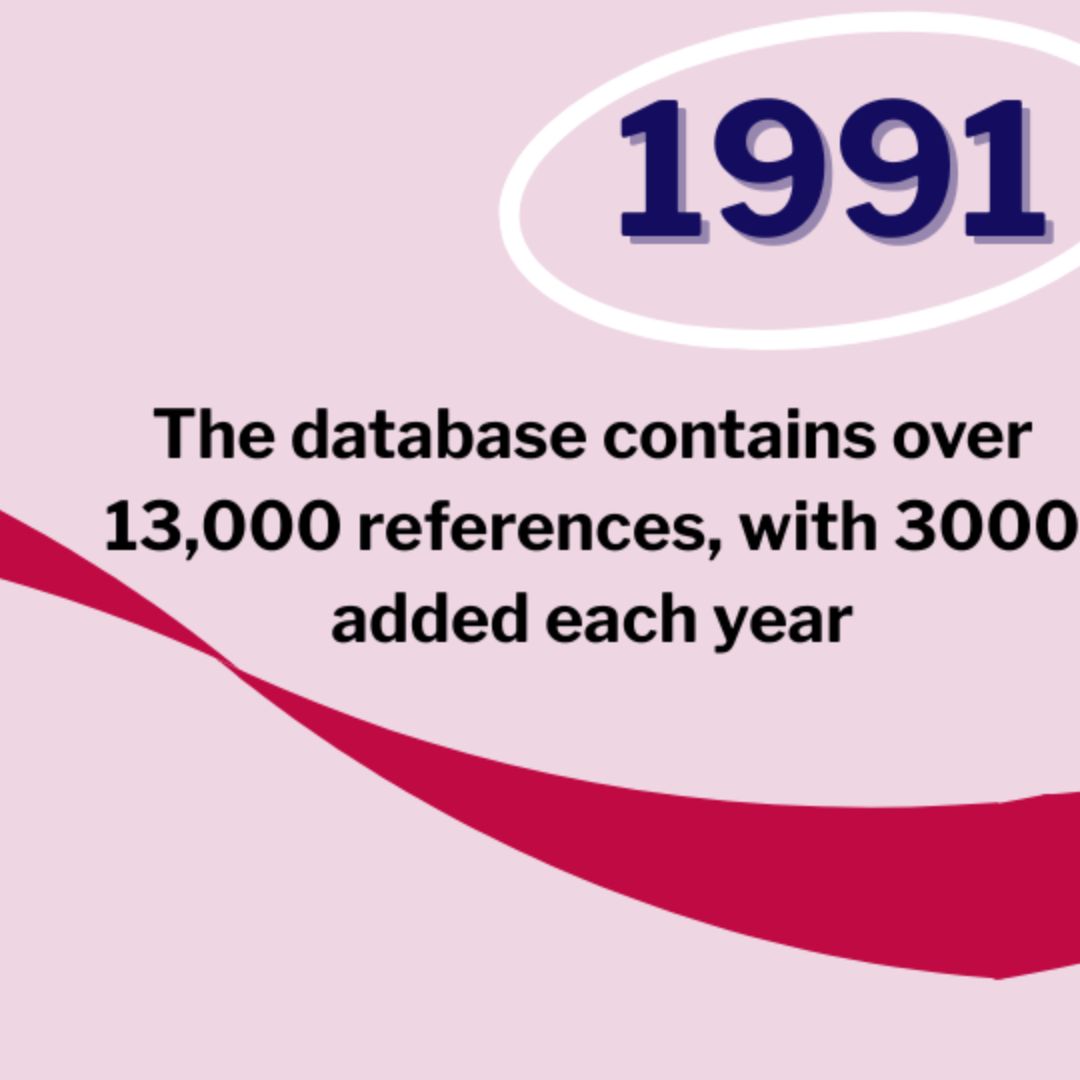
MIDIRS’ relocation to Bristol, where it remains today, happened in 1989. The reason was initially to work alongside the Institute of Child Health and, with staff ready to escape the big city, it seemed an opportune time. The online database, in development since 1987, was also launched, although it was not yet publicly accessible. By 1991, services had expanded substantially: the database contained over 13,000 references, with approximately 3000 new records added each year.
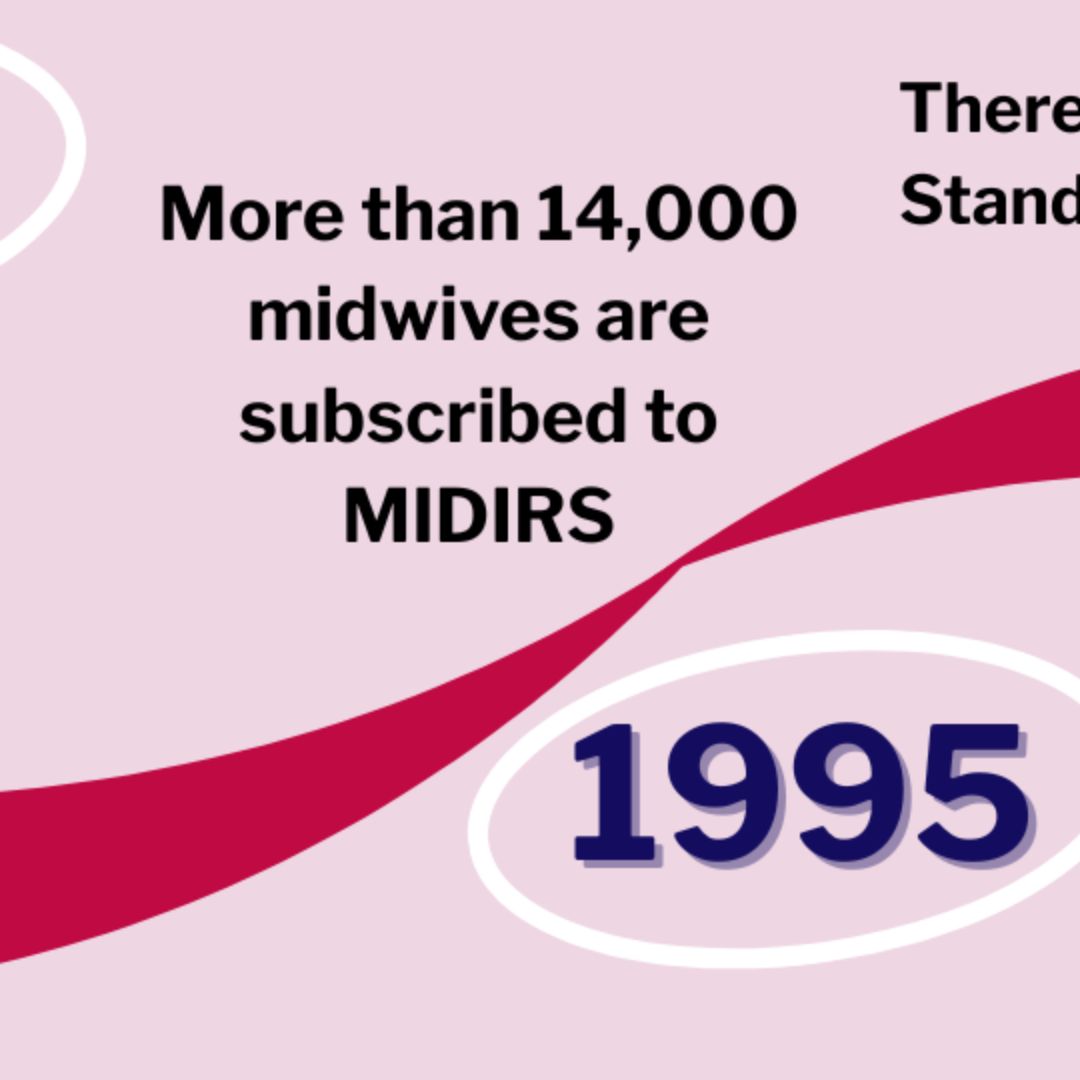
March that year saw the launch of MIDIRS Midwifery Digest, replacing the original Information Packs to provide a more structured, journal-style publication. The enquiry service was developed to help filter database search requests into more specific categories; by 1992, these were officially launched under the name Standard Searches. Study days and Hot Topics conferences continued to expand in popularity in the mid-90s, with subjects ranging from breastfeeding premature infants to continuity of care. By the end of 1995, MIDIRS was supporting more than 14,000 subscribers.
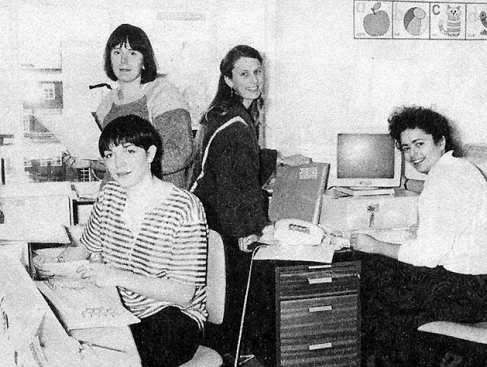
From left to right: Rachel Goldstrom (information assistant), Sue Hawkins (librarian), Jilly Rosser (midwifery officer) and Tricia Anderson (administration officer) - Information Pack, 1998
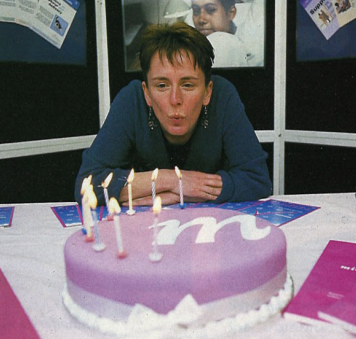
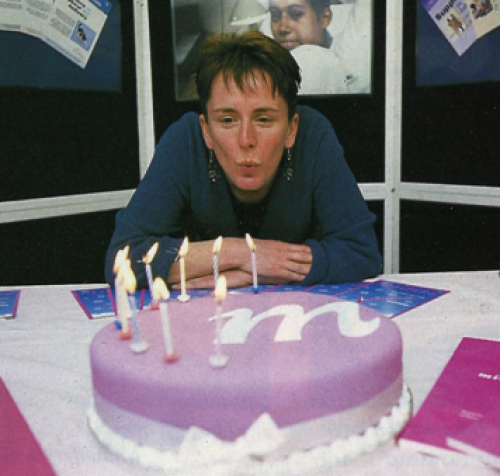
Sue Hawkins celebrates 10 years of MIDIRS (1996)
1996-1999: growth and innovation
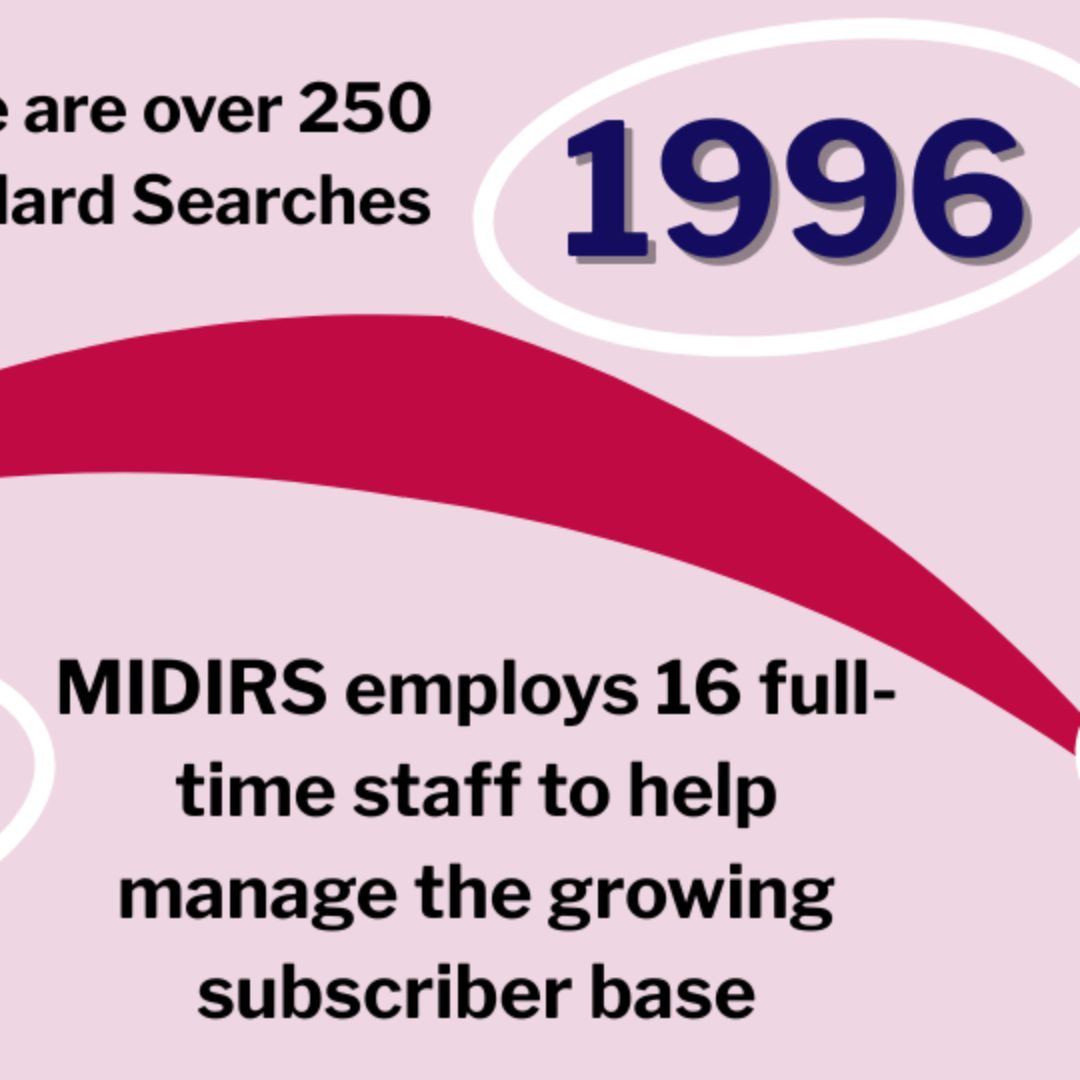
By 1996, 10 years on from the first Information Pack, MIDIRS had a team of 16 full-time staff that supported 18,000 midwives using its services. One of the most significant initiatives of this period was the launch of the Informed Choice leaflets in 1996, created in collaboration with the NHS Centre for Reviews and Dissemination. These paired leaflets provided evidence-based information for both professionals and women, supporting the principles of woman-centred care outlined in the Changing childbirth report a few years earlier. The initiative was devised by Jilly Rosser, then head of MIDIRS; it was launched in January 1996 by Baroness Julia Cumberlege at the Natural History Museum.
June 1996 bought an exciting upgrade to the subscriber experience, as MIDIRS’ website was launched, accompanied by guidance on emerging concepts including definitions of the ‘World Wide Web’. Following new requirements for midwives to keep records of professional development, MIDIRS Midwifery Portfolio was also launched in this period, supporting efficient record keeping.
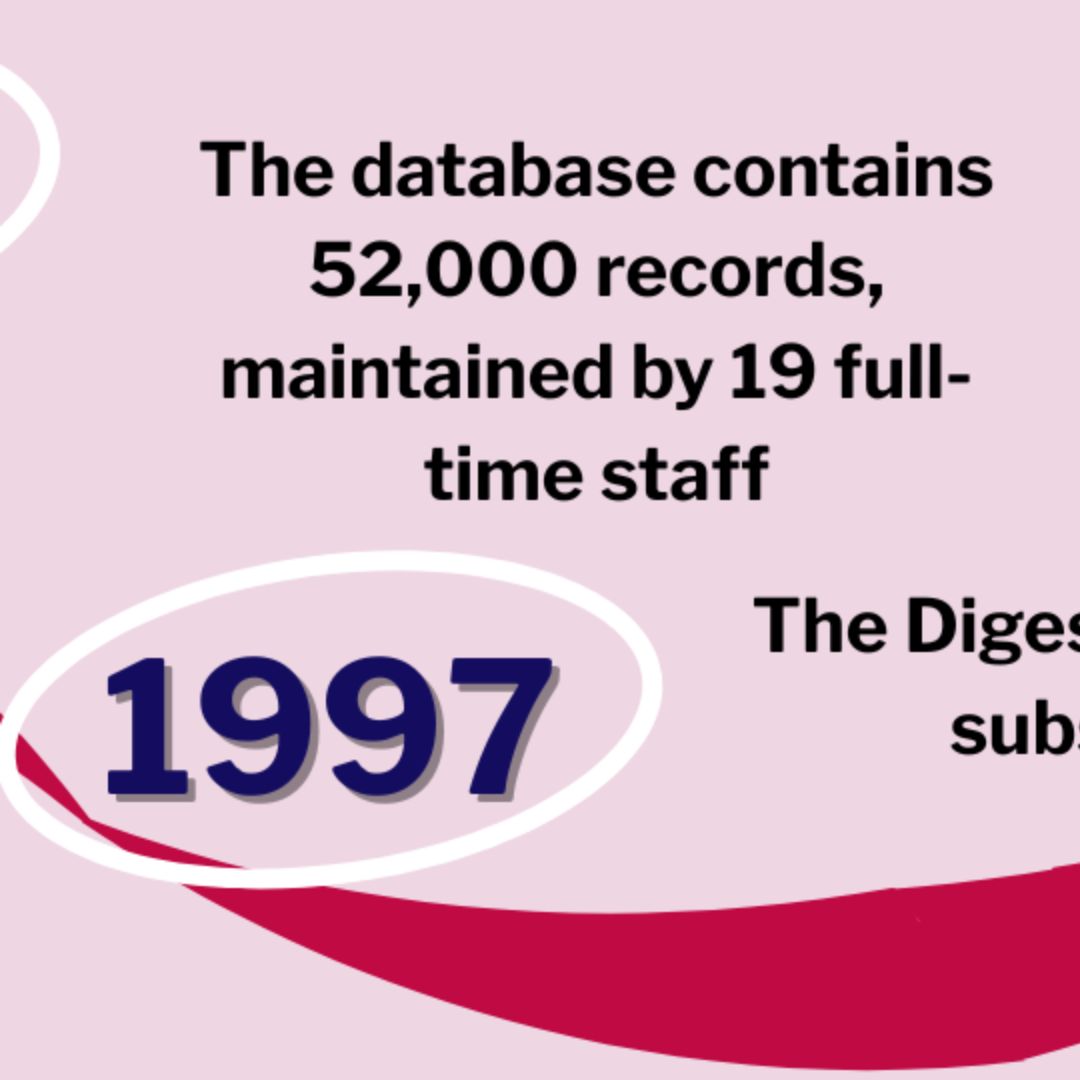
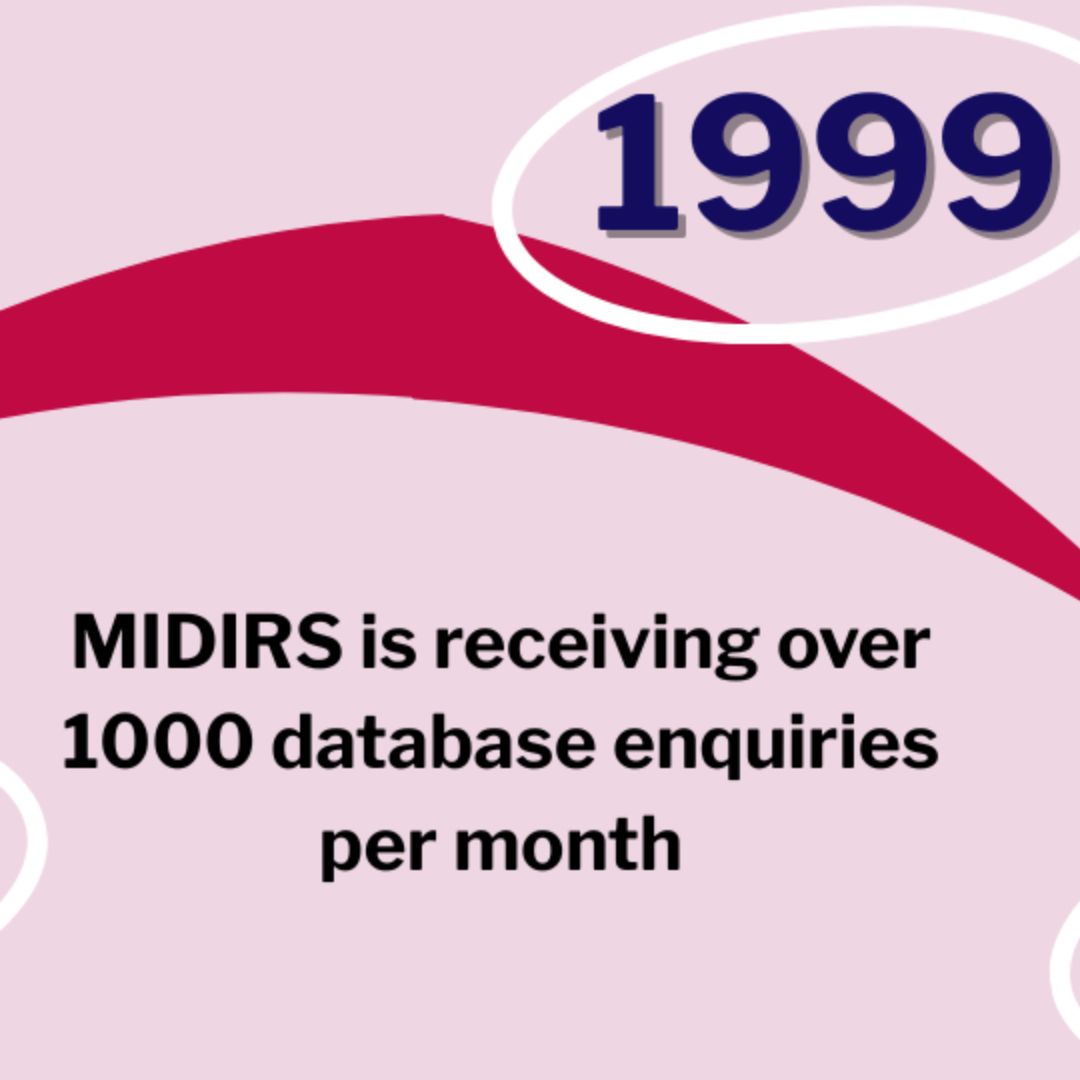
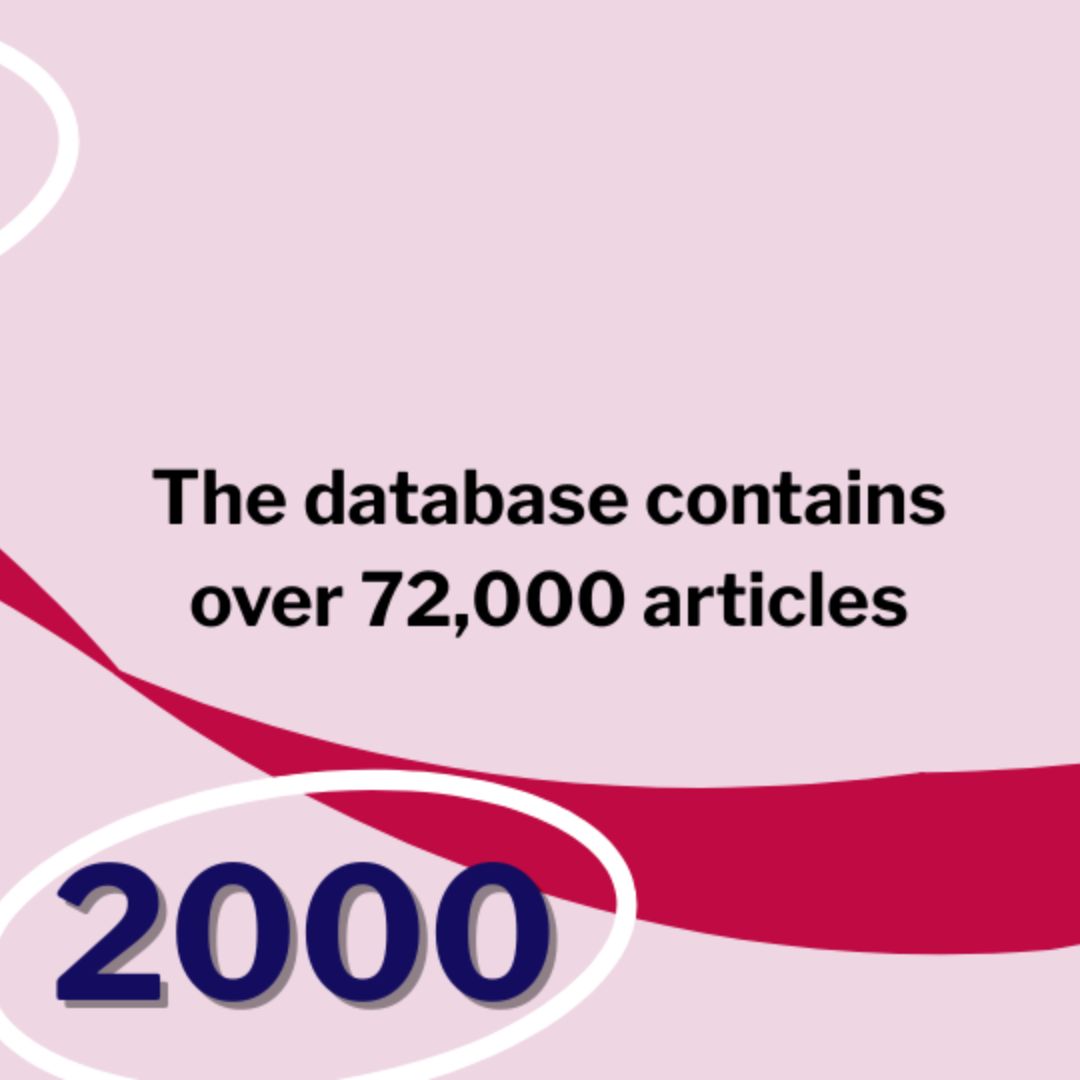
Hot Topic conferences and study days continued to be popular in the late 1990s, with most events oversubscribed. Statistics from 1999 demonstrate the popularity of MIDIRS’ services by the end of the decade: staff reported receiving over 1000 enquiries each month and worked hard to maintain a database of over 67,000 references for some 16,000 subscribers.
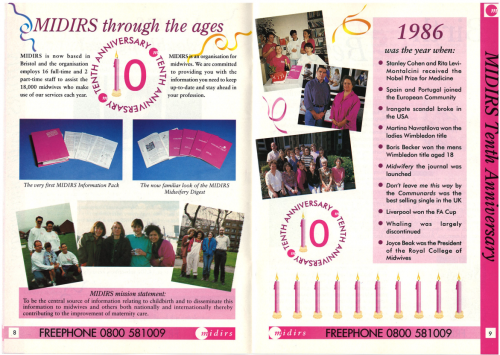
MIDIRS catalogue marks 10 years of MIDIRS (1996)
2000-2019: MIDIRS in the 21st century
In 2001, the database became available to subscribers, fundamentally changing the way that MIDIRS services were accessed. Staff travelled around the UK to deliver training on its use to subscribers. Study days continued to address emerging professional concerns in maternity and MIDIRS maintained a strong presence at conferences.
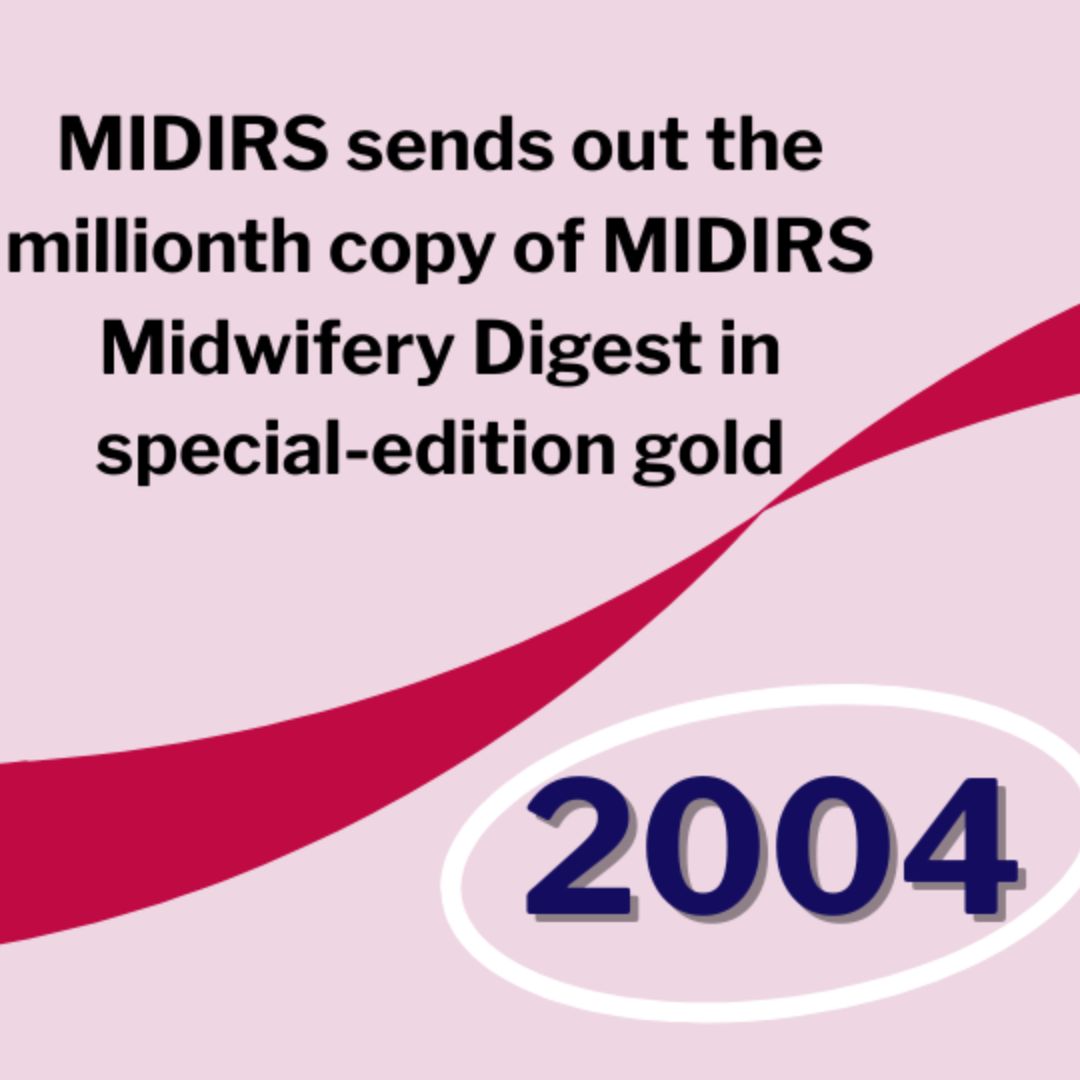
June 2004 saw the publication of the millionth copy of MIDIRS Midwifery Digest since its launch in 1991; MIDIRS marked the occasion by posting out a gold copy.
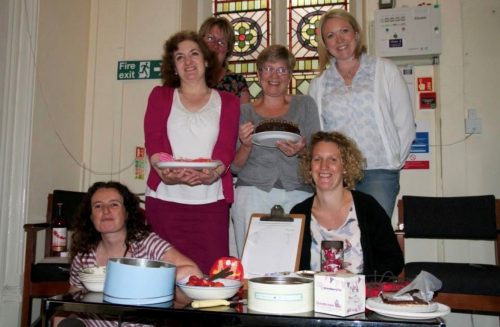
MIDIRS staff bake sale, June 2013
The Maternity and Infant Care database, which has been open to subscribers since 2001, with updated basic, advanced and standard searches (Search Packs)
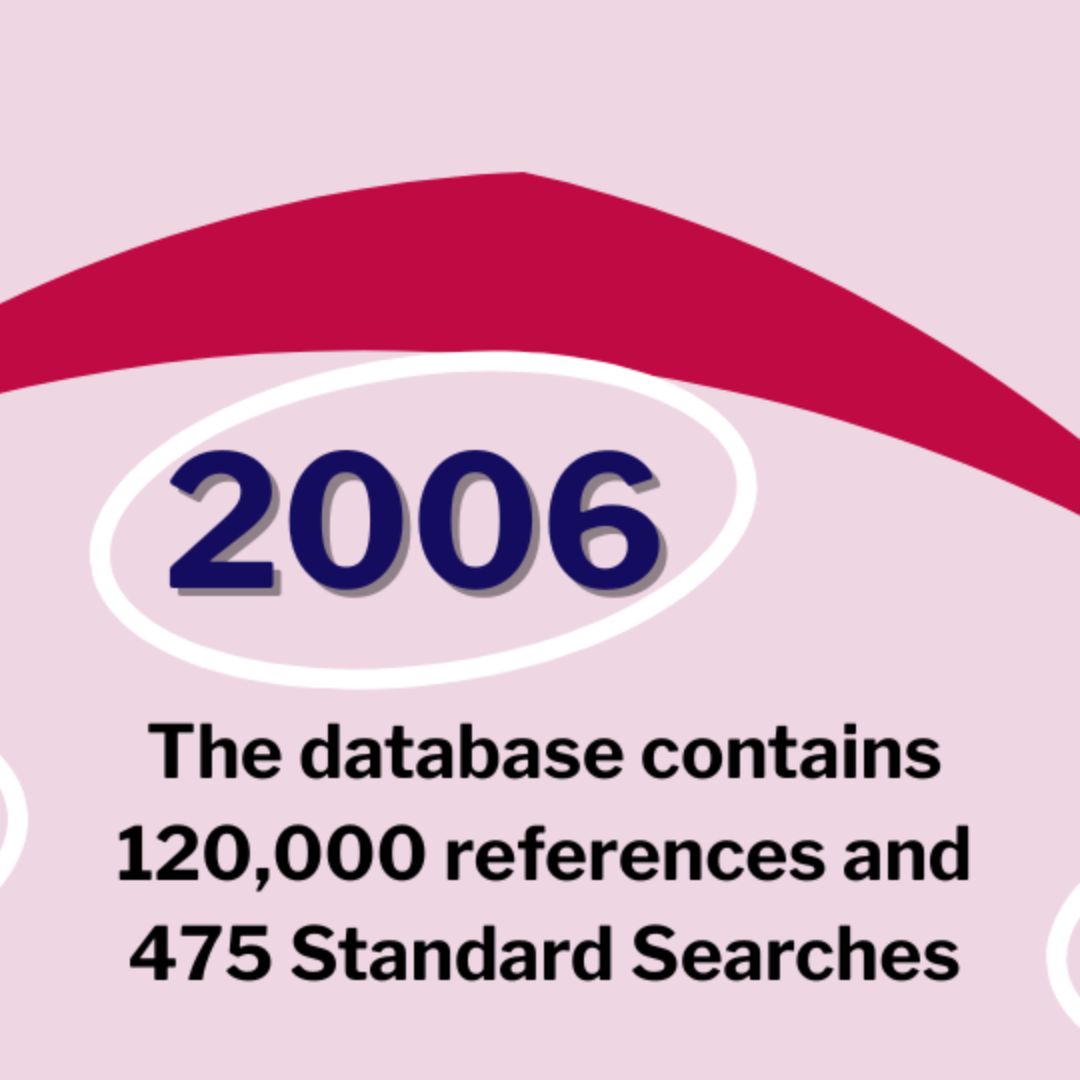
By 2006, the database contained over 120,000 references, as staff scanned around 550 international English language journals. Essentially MIDIRS also began in 2010, a monthly magazine containing maternity news, research overviews and experiences, enhancing the range of MIDIRS resources. Through embracing the continual advances in information technology and the developing ways in which midwives wanted to access information, MIDIRS grew to be one of the leading information providers in maternity care.
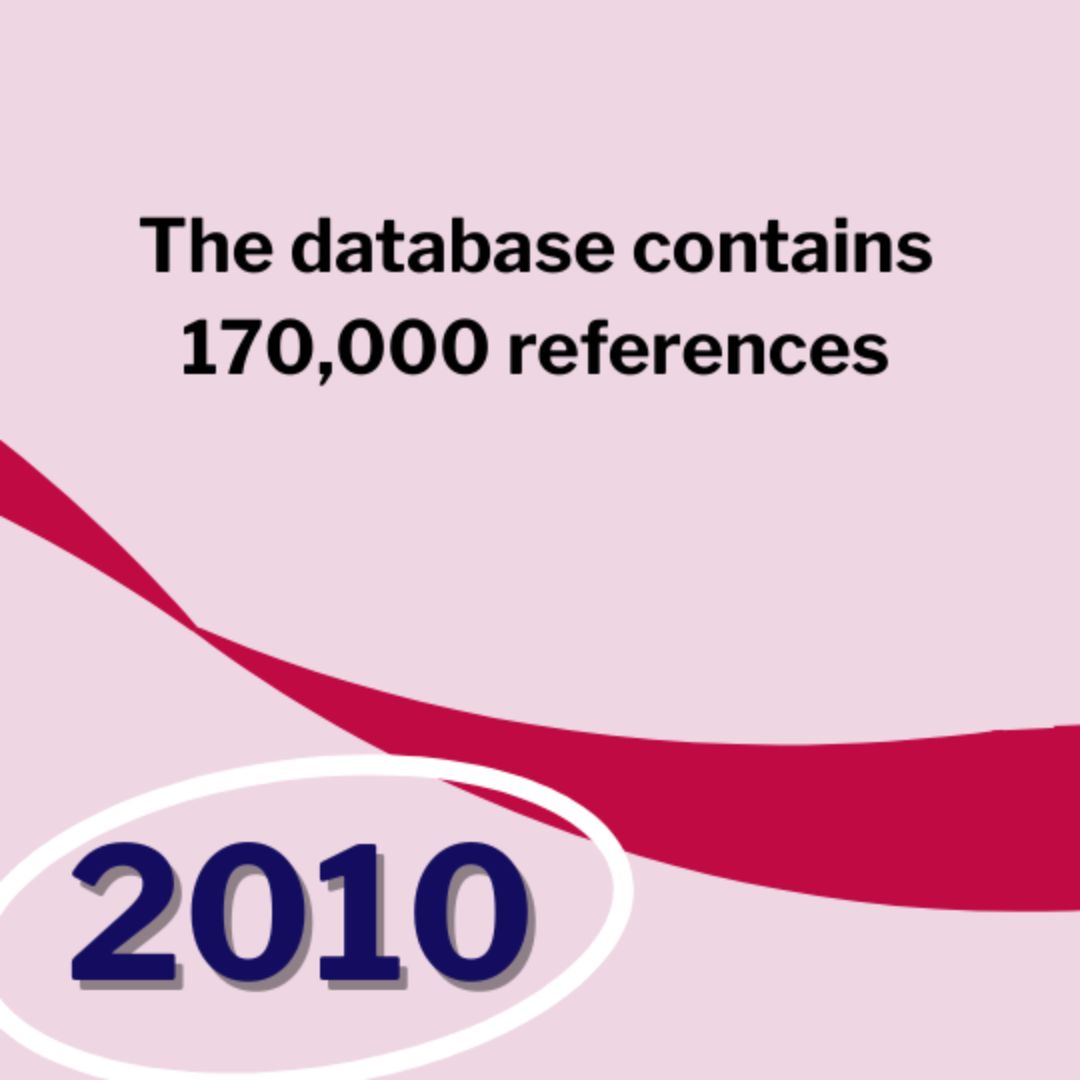
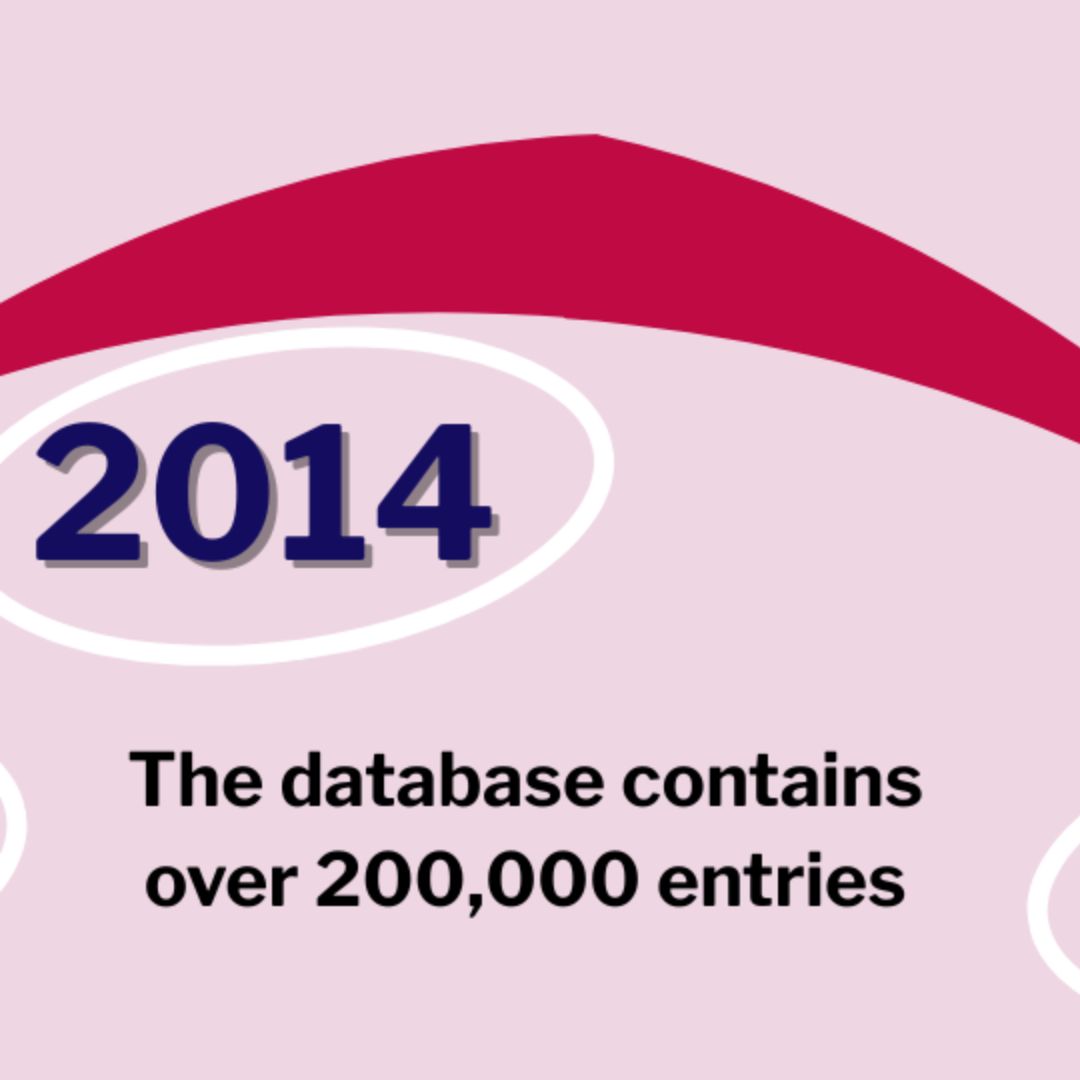
Staff continued to modernise MIDIRS’ services and in 2010, the database — now called the Reference Database and containing 170,000 entries — underwent extensive redevelopment, allowing three different forms of searching: Basic Search, Advanced Search and Standard Search. These features remain on the database to this day.
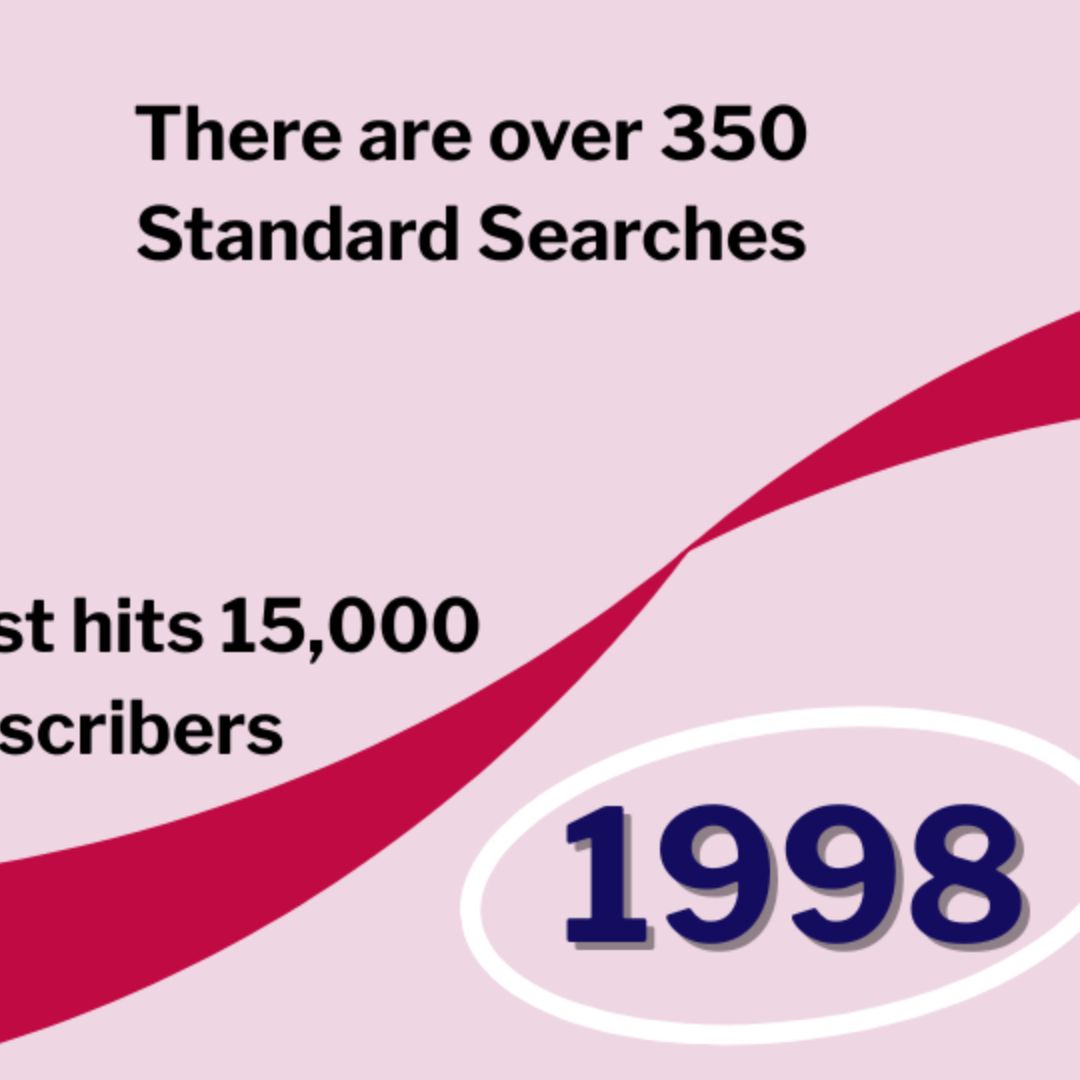
Standard Searches were renamed Search Packs in 2011, continuing their purpose of categorising research into specific topics under a refreshed name. Indeed, this feature had grown rapidly since its invention 20 years earlier, and by 2013 there were around 550 Search Packs, in comparison to 350 in 1998.
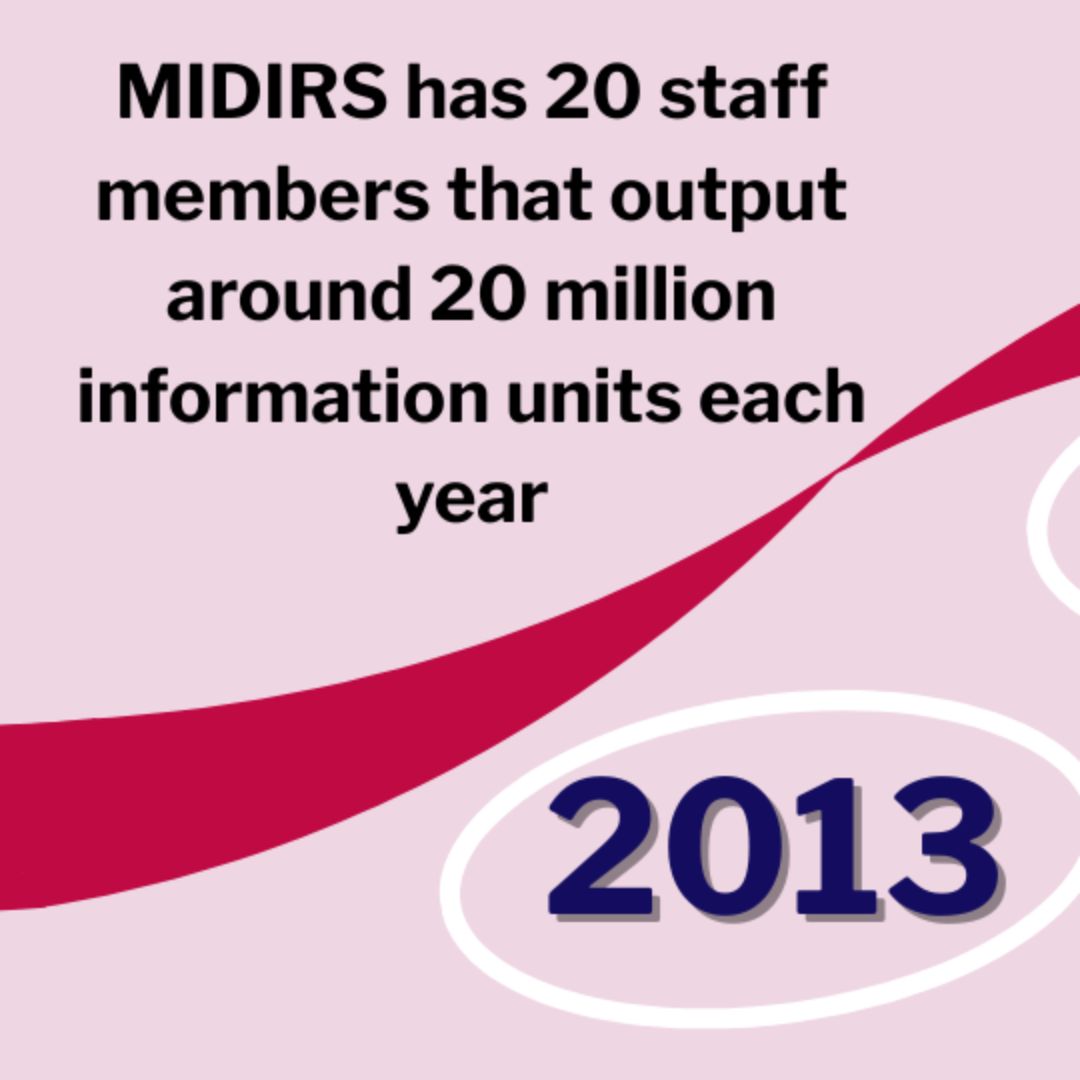
This period also saw MIDIRS merge with the National Childbirth Trust (NCT), bringing changes to the ways in which MIDIRS was run. The transition bought the publication of Essentially MIDIRS to a close. By the end of 2013, MIDIRS had 20 members of staff outputting around 20 million information units each year: despite organisational change, core information services continued to develop and sustain throughout the decade. For example, in 2015, MIDIRS began sending out a weekly Current Awareness Bulletin containing the latest maternity news and research, a product adopted from the NCT, to make maternity information more digestible. In this time, MIDIRS offices moved to Brunel House in Clifton, Bristol.
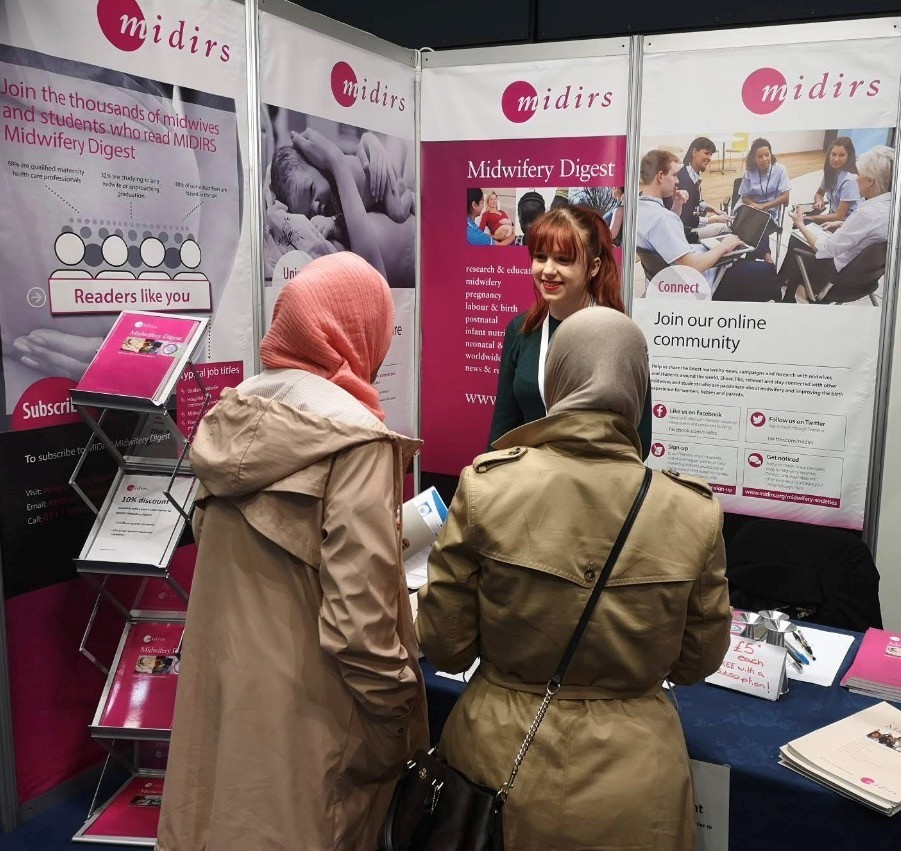
MIDIRS' stand at the RCM conference, 2018
Midwifery students at the University of the Highlands and Islands using MIDIRS resources for their studies, 2020
2019-present: a new chapter at the RCM
In 2019, MIDIRS joined the RCM marking a new era in the organisation. Around this time, the database was renamed the Maternity and Infant Care (MIC) database, encompassing a broad array of maternity research and grey literature. MIDIRS services have continued to transform in recent years, with the renaming of the Current Awareness Bulletin to the Latest Research Update.
Furthermore, in 2024 MIDIRS began hosting three online journal clubs discussing a range of topics and research. They were aimed at maternity support workers, Welsh midwives and student midwives respectively, and the Midwives-in-Training Research and Journal Review Club continues to run each month. 2024 also saw a redesigned website, and MIDIRS move base to Victoria Street in Bristol, where it remains.
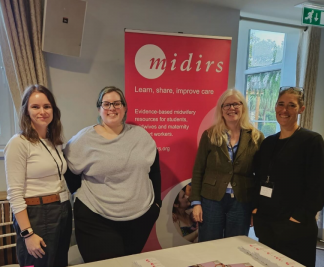
MIDIRS at the International Labour and Birth conference, 2025
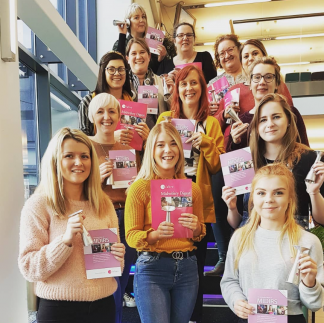
Midwife contributors to the June 2020 issue of MIDIRS Midwifery Digest
Head of MIDIRS Dr Sara Webb presenting at the RCM Conference 2025
Marianne Scruggs was the driving force behind the beginning of MIDIRS. After moving to England from the United States in 1974 and undertaking midwifery training in Birmingham, Marianne worked as an independent midwife and an agency midwife. She was also a founding member of the Association of Radical Midwives, and it was here that in 1983 she established a working group to promote the continued education and professional development of midwives. This group was the foundation of what MIDIRS came to be, and in 1986 Marianne became MIDIRS first Director.
Caroline Flint
First CEO & Chairperson of MIDIRS Management Committee
Biography
Caroline Flint was the first Chairperson of MIDIRS Management Committee in 1986. She went on to become our first Chief Executive Officer in 1987.
Sue Hawkins
First Information Officer
Biography
Sue Hawkins was MIDIRS first Information Officer, and one of just three core staff at MIDIRS in 1986. Coming from a background in health libraries, Sue was drawn to the post at MIDIRS as it offered the rare opportunity to set up an information service from scratch. She set up the categorisation system for MIDIRS first database, a foundational work that continues to underpin our services today.
Tricia Anderson
First Administration Officer
Biography
Tricia Anderson was MIDIRS first Administration Officer, joining as the one of the first three core staff members. Tricia remained at MIDIRS for many years, eventually becoming MIDIRS Editor.
Jilly Rosser
First Midwifery Officer
Biography
In the late 1980s, Jilly Rosser became the fourth member of staff to join MIDIRS. She was instrumental in supporting MIDIRS growth and development and worked tirelessly to sustain the organisation after it lost funding in late 1990. Jilly was also behind the Informed Choice Initiative, a pioneering project in collaboration with the NHS Centre for Reviews and Dissemination to promote informed consent within midwifery practice. Jilly had worked for two years on the project before it’s launch in 1996.
Cookie options
Some of these cookies are necessary to make the site work. We’d also like to use optional cookies to help improve your experience on the site. You can manage your optional cookie preferences below. Using this tool will set a cookie on your device to remember your preferences. Your preferences can be changed at any time.
For more detailed information about the cookies we use, see our Privacy Policy
Necessary Cookies
Necessary cookies enable core functionality. The website cannot function properly without these cookies, and can only be disabled by changing your browser preferences.
Analytical Cookies
Analytical cookies are used to collect and report information on how our website is used. This helps us to improve the website based on the needs and behaviour of our visitors.
Marketing Cookies
We use marketing cookies to help us improve the relevancy of advertising campaigns you receive.
This site uses cookies to store information on your computer
Royal College of Midwives uses cookies for website functionality purposes. For more information, please review our privacy notice or review the settings tab.