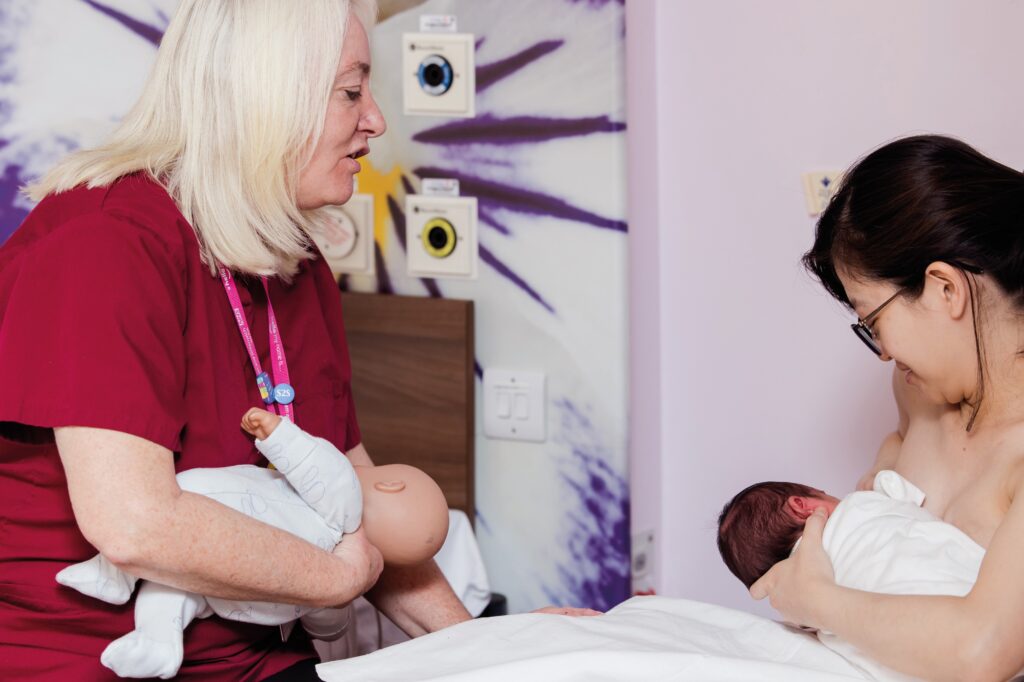
Midwifery continuity of carer and social disadvantage: implications for equity, experience and birth outcomes
Dayna Wright
Abstract
Women and babies who experience social disadvantage face significantly higher risks of maternal and perinatal morbidity and mortality, alongside poorer care experiences and reduced choice. Midwifery continuity of carer (MCoC) has been promoted as a model of care that improves outcomes and satisfaction for the general maternity population; however, its impact for women and babies affected by social disadvantage is less clearly understood.
This article presents a critical review of the literature exploring the impact of MCoC on health care inequalities, care experiences and selected birth outcomes for women and babies experiencing social disadvantage. A systematic search of six health care databases identified nine UK and comparable primary studies employing qualitative, quantitative and mixed methods designs.
Four key themes were identified: improved access to maternity care through flexible and coordinated services; enhanced engagement and psychological safety through relational continuity; improved communication and personalised care enabled by informational continuity; and a positive association between MCoC and increased vaginal birth rates alongside reduced caesarean section rates.
The findings suggest that MCoC offers meaningful benefits for women and babies affected by social disadvantage, particularly in improving access, engagement, safety and experience, with some evidence of improved birth outcomes. Targeted and proportionate implementation of MCoC may contribute to reducing maternity care inequalities. Further inclusive research is required to strengthen the evidence base and inform sustainable service design.
Some of these cookies are necessary to make the site work. We’d also like to use optional cookies to help improve your experience on the site. You can manage your optional cookie preferences below. Using this tool will set a cookie on your device to remember your preferences. Your preferences can be changed at any time.
For more detailed information about the cookies we use, see our Privacy Policy
Necessary Cookies
Necessary cookies enable core functionality. The website cannot function properly without these cookies, and can only be disabled by changing your browser preferences.
Analytical Cookies
Analytical cookies are used to collect and report information on how our website is used. This helps us to improve the website based on the needs and behaviour of our visitors.
Marketing Cookies
We use marketing cookies to help us improve the relevancy of advertising campaigns you receive.
This site uses cookies to store information on your computer
Royal College of Midwives uses cookies for website functionality purposes. For more information, please review our privacy notice or review the settings tab.