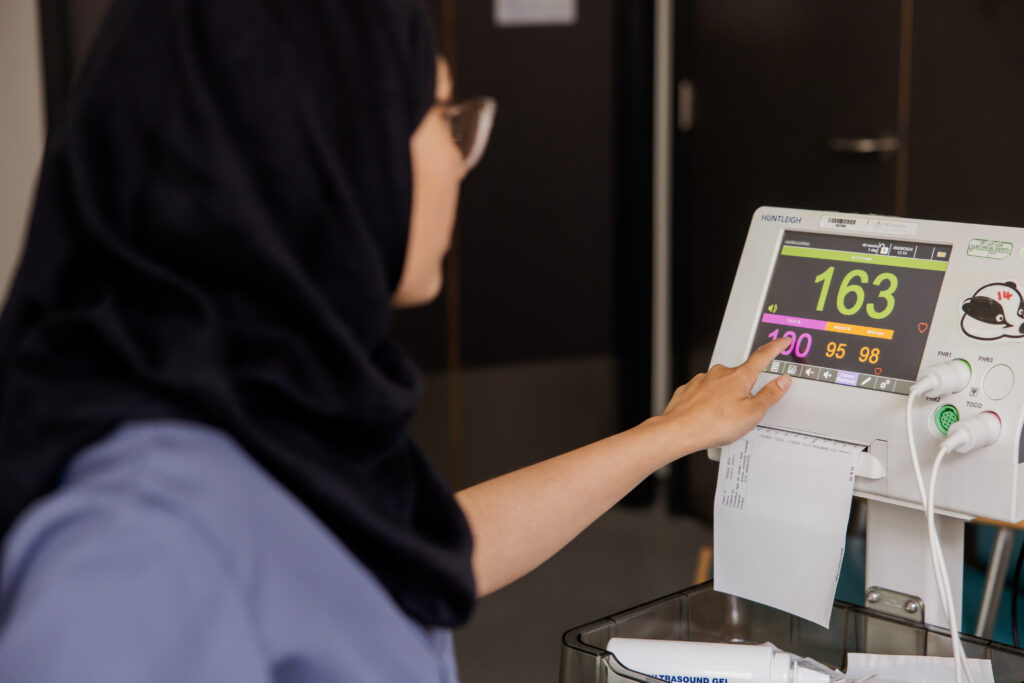
About the Author
Renny Ully is an Indonesian midwife with more than 20 years of experience across community, primary healthcare, hospital and educational settings. She holds a masters degree in midwifery from Auckland University of Technology in New Zealand, and worked in Qatar for 6 years before moving to the UK, where she now works as a rotational midwife at the Rosie Hospital, Cambridge University Hospitals NHS Foundation Trust.
Her experiences of studying, working and living across three continents have shaped her understanding of midwifery and strengthened her commitment to making a difference to women and families while respecting their individual cultures, beliefs and values.

On my way to work one morning, while travelling on the 13A bus in Cambridge, I noticed a magnificent tree that we pass every day. It should not have felt unusual because I had seen it many times before. However, something about it felt different that morning. I found myself thinking about how beautiful and strong it was. From its deep roots, it had grown into an enormous tree with wide branches and countless leaves. It provided fresh air and offered people shelter from the strong wind, rain and sunshine.
Suddenly, I thought to myself “This tree is like midwifery.”
For the 2026 International Day of the Midwife, I chose a tree as the theme for our celebration at the Rosie Hospital. To me, it represented the theme “One Million More Midwives” and the strength, diversity and continuity of our profession. A tree has roots, branches, leaves and blossoms. Its roots support it, enabling it to grow and remain strong through changing weather and seasons.
Midwifery is one of the world’s oldest forms of care. It existed long before modern healthcare systems and has deep roots across cultures, countries and generations. As a midwife from Indonesia, I grew up knowing a midwife as a “bidan”. Across the world, midwives may be known by different names, but the heart of their role remains the same: to care for, support, protect and walk alongside women and their families through some of life’s most important moments. Midwifery has been part of humanity’s story since its beginning.
The branches of the tree represent the many areas in which midwives practise: antenatal, intrapartum and postnatal care, safeguarding, bereavement care, research, fetal medicine, diabetes care, education, leadership and so much more. Like the branches of a tree, midwifery reaches in many directions and touches every stage of the maternity journey.
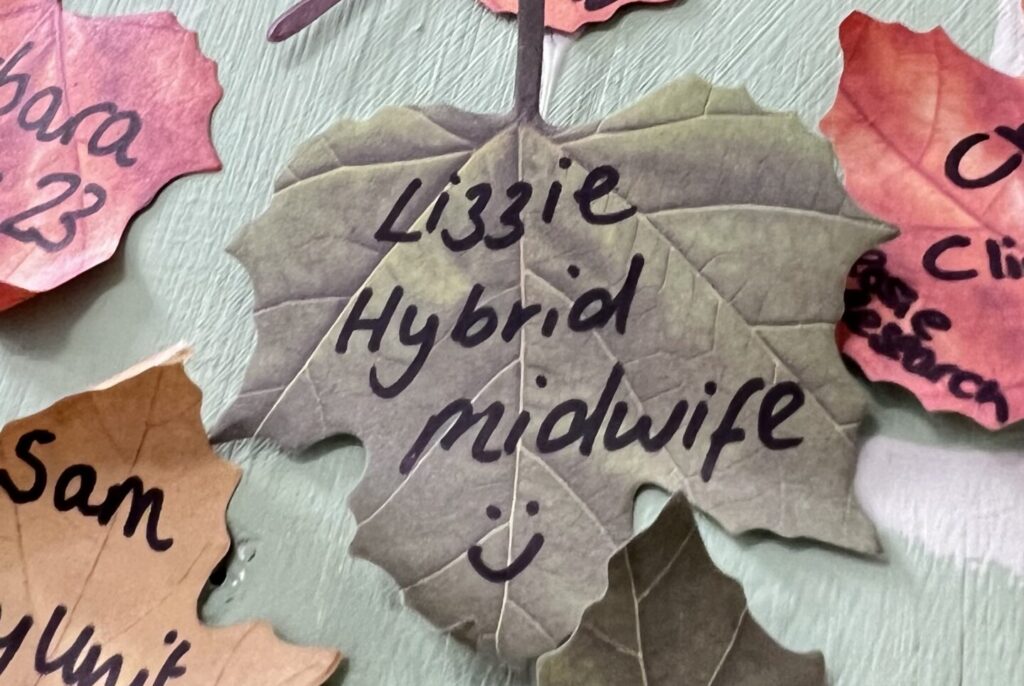
The leaves represent midwives themselves. Each leaf is unique, with its own colour, shape, season and journey. Some leaves are new, green and still growing, while others have changed through time, experience and wisdom. When seasons change, some leaves fall, but new leaves continue to grow, just as midwifery continues through generations of midwives.
The journey of becoming – and continuing to grow as – a midwife is not always easy. Life can bring unexpected challenges, and there may be moments when we question ourselves or wonder whether we are strong enough to continue. During those moments, remember how far you have already come. Keep going. Among the busy shifts, difficult challenges and tiring days, there will always be women, families and precious moments that remind us why our work is worthwhile.
Like a tree, midwifery continues to grow. Its roots remain strong, its branches continue to reach out and every new leaf brings hope for the future.
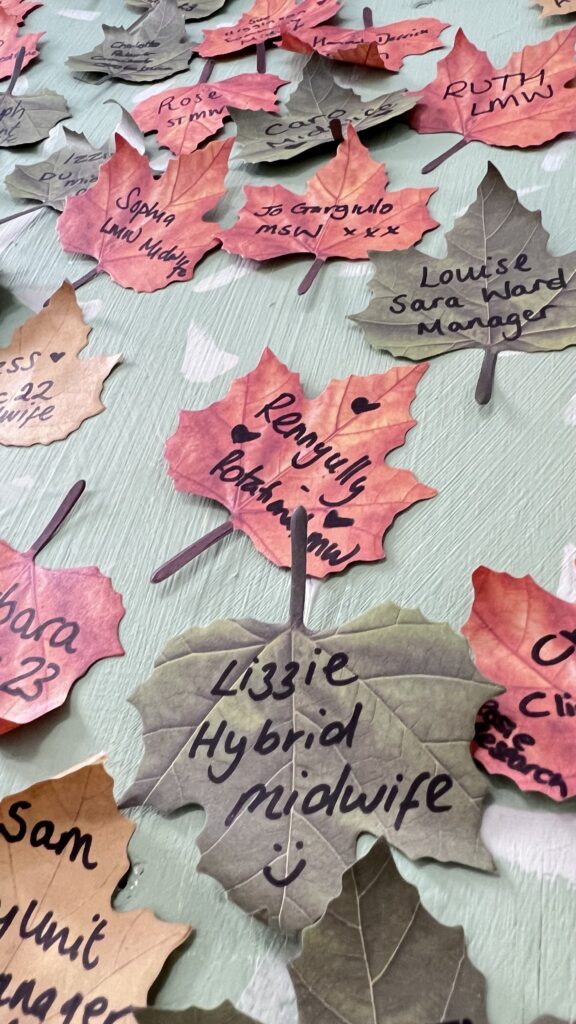
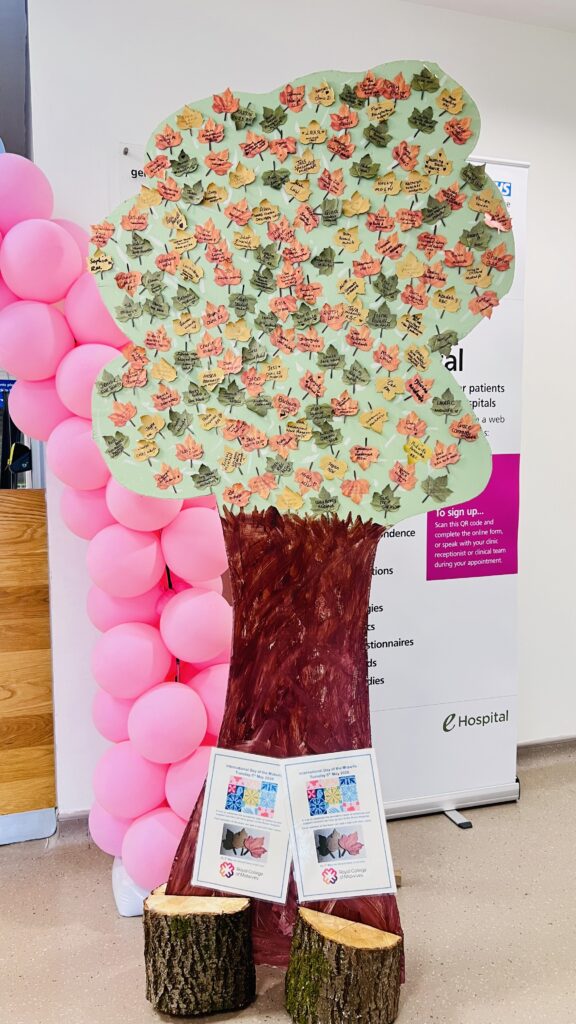
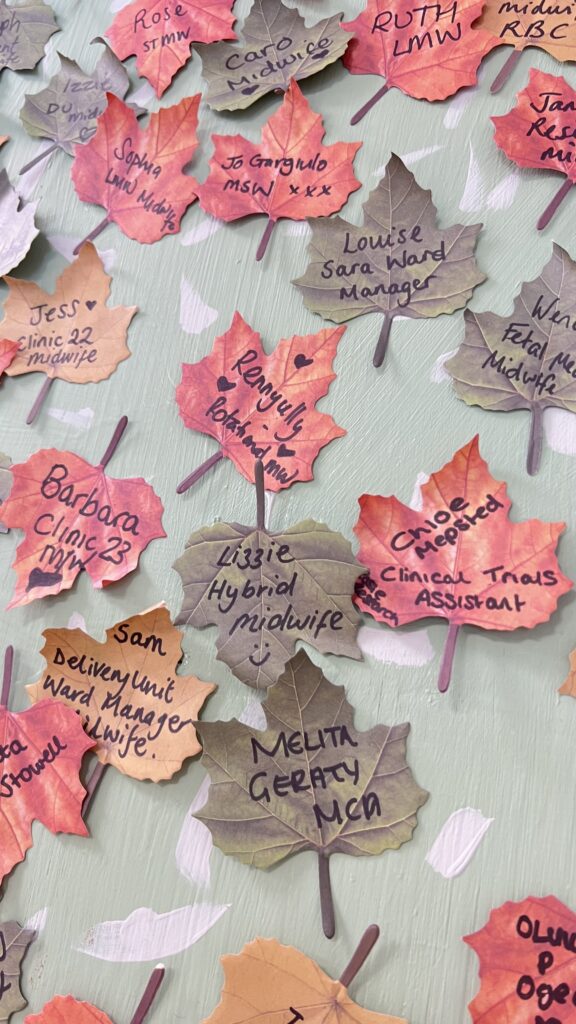
International Day of the Midwife 2026 celebrations at the Rosie Hospital
Related Search Packs:
- MS75: Culturally sensitive maternity care
- MS45: Woman-centred care
- M22: Traditional birth attendants