About the Author
Shane North is a father of three and a maternity support worker, a role he describes as “the best job in the world”.
As a teenager he wanted to be a midwife after seeing the care his mum received with his sister, although that flame was initially extinguished by external opinions of men in the profession.
He went on to work in varied roles within health and social care, and twenty years on he has now fulfilled his ambition to work in maternity care. Shane is preparing to go to university to complete his Level 5 Assistant Practitioner Foundation Degree so that he can progress further in his career to become a specialist maternity support worker.
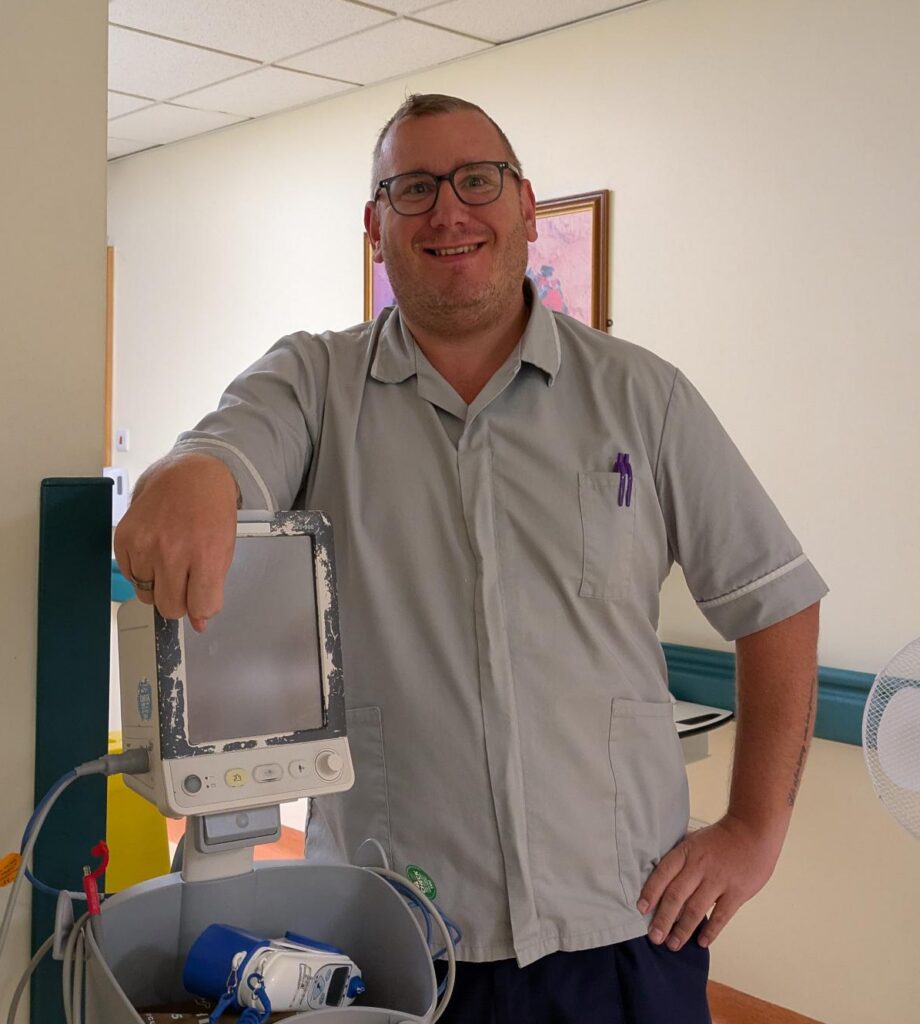
I’m proud to say that I have been a male maternity support worker for almost two years. When people ask me what I do for a living, there’s often a brief pause when I tell them my role. Sometimes they’re surprised. Occasionally, they’re confused. A few even ask “Isn’t that a job for women?”
The reality is that maternity care is for everyone.
Working as a male maternity support worker is a privilege I never take for granted. Every day, I have the opportunity to support women, partners, families and newborn babies during some of the most significant moments of their lives. From helping a nervous first-time mother settle into the ward to offering reassurance to anxious partners, no two days are ever the same.
Of course, being a man in a predominantly female environment comes with its own challenges. There are times when mothers are understandably surprised to see a male member of staff. Occasionally, someone may feel more comfortable being cared for by a female colleague, and that choice is always respected. Maternity care is built on trust, dignity and consent, and those principles guide everything we do.
What I’ve found, however, is that kindness and professionalism quickly overcome any initial surprise. Most women are less concerned about who is caring for them and more concerned about whether they are being listened to, respected and supported.
One of the most rewarding aspects of the role for me is supporting the partners. As a man and a father of three myself, I can relate to the uncertainty they feel. Many want to help but don’t know how. A reassuring conversation, a few practical tips, or simply reminding them that they’re doing a good job can make a huge difference.
The role has also challenged stereotypes. Healthcare should reflect the communities it serves, and diversity matters. Seeing men working in maternity settings helps demonstrate that compassion, empathy and caregiving are human qualities, not gendered ones.
Every birth story is unique. Some are joyful, some are difficult, and some are unforgettable for reasons nobody could predict. Being trusted to play even a small part in those journeys is something I consider a privilege.
At its heart, maternity support work isn’t about gender, it’s about caring for people at a vulnerable and important time in their lives. Whether you’re male or female, young or old, what matters most is your ability to show compassion, offer support and treat every family with dignity. And, if seeing a man in maternity care makes people think differently about who belongs in healthcare, then that’s a positive step forward for everyone.
Related Search Packs:
- M16: Men in Midwifery
- M57: Maternity support workers and health care assistants
- P15: Fathers / partners