About the Author
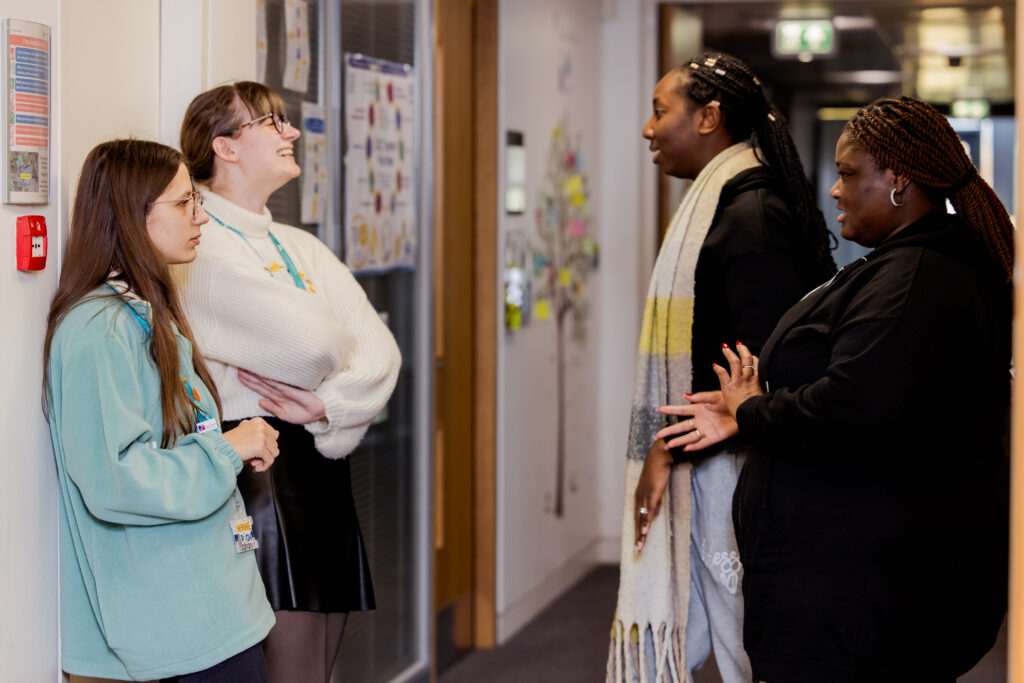
 Munira Khamis, a 3rd-year DMU student, was born in Nairobi, Kenya’s capital. She completed a Higher Diploma in Counselling and Psychology in 2013 and practised for a period of time before relocating to England.
From an early age, Munira developed a strong curiosity about biology, creation, and pregnancy. Her respect for pregnancy was shaped both by personal instinct, such as offering her seat to pregnant women on crowded buses, and by her upbringing within the Nubian community in Kenya. Within this community, pregnancy and the postnatal period are held in high regard, with new mothers receiving attentive care for 40 days after birth. This nurturing cultural practice profoundly influenced her values around women’s health, birth, and caregiving.
Munira’s life and professional journey have consistently centred on service to others. Midwifery represents a natural and fulfilling continuation of this commitment, bringing together her academic background, cultural grounding, and lifelong dedication to caring for women and families.
Introduction
Midwifery is a profession deeply intertwined with compassion, advocacy, and the safeguarding of fundamental human experiences. For many aspiring midwives, the journey begins with a calling rooted in passion, empathy, and a desire to contribute meaningfully to the lives of women and birthing people. Becoming a midwife is more than acquiring clinical skills, it is an evolving process of identity formation, ethical grounding, and personal growth. This article reflects on the early stages of this journey and examines the challenges, rewards, and responsibilities embedded within midwifery education.
Answering the Call to Midwifery
My decision to pursue midwifery emerged from a profound desire to support women during moments of vulnerability, transformation, and empowerment. The anticipation of applying to universities, preparing for interviews, and articulating my passion to admissions panels marked the beginning of this transformative path. I was driven by the desire to be present with birthing persons at one of the most intimate junctures of their lives, when trust is offered to a stranger who becomes a guardian of safety and wellbeing.
This sense of calling aligned with my pursuit of self-actualisation. I viewed midwifery not merely as a career but as a vocation, a means through which I could serve families and participate in the profound continuum of life.
 Transitioning Into a New Identity
The moment I stepped into the lecture hall for our transition day, the words of our educators resonated deeply: “Welcome! You are the future of midwifery.” As I looked around the room, I saw a diverse cohort carrying equal parts enthusiasm and apprehension. We shared the collective pride of having “made it,” yet also the uncertainty of stepping into a demanding, highly scrutinised profession.
Becoming a student midwife involved a significant shift in identity. Everyday actions took on new meaning as I questioned whether I was conducting myself in ways that upheld the values of the profession. Even simple interactions like social media posts, conversations in public, the imagined possibility of assisting a stranger in labour, reflected my heightened awareness of professional accountability and societal expectations.
 Entering the Learning Environment
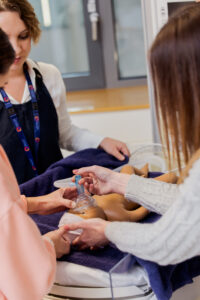
Early classroom experiences oscillated between awe and discomfort. Educational videos depicting the crowning of a baby’s head prompted instinctive reactions; demonstrations of suturing techniques evoked empathetic tension. Yet amidst these visceral responses, there was profound admiration for the physiology of birth. Watching the first moments of life unfold, skin-to-skin contact, the newborn’s initial cry, the palpable rise of oxytocin in the room, affirmed why I had chosen this path.
However, no classroom preparation could fully mirror the intensity of the delivery suite. On my first day, unfamiliar terminology filled the air, labouring voices echoed down corridors, and the sudden sound of an emergency buzzer launched staff into coordinated action. It was a moment where passion collided with reality, a challenging but essential rite of passage for every midwifery student.
The Realities of Placement: Growth Through Challenge
Placement serves as the crucible in which student midwives are shaped. It tests resilience, adaptability, and emotional fortitude. For some, the demands of the profession illuminated a misalignment with personal expectations, leading them to step away. For others, including myself, these experiences strengthened determination and deepened commitment to the profession.
Placements often leave marks, some positive and others painful. Encounters with supportive mentors foster confidence, curiosity, and a sense of belonging. Conversely, interactions lacking compassion or patience can erode self-esteem and leave lasting scars. As students, we rely on experienced midwives not only for clinical instruction but for guidance through the emotional and ethical complexities of midwifery practice.
 The Essential Role of Midwife Mentors
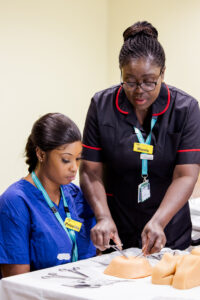
Midwives have a profound influence on shaping the next generation. The pressures they face including staff shortages, increasing complexity of care, and systemic scrutiny are significant. Yet despite these challenges, mentorship remains a crucial professional responsibility.
Compassionate teaching has the power to inspire, stabilize, and empower student midwives. A supportive mentor:
- Models professional integrity
- Encourages reflective practice
- Facilitates skill development
- Protects psychological wellbeing
- Helps shape a positive, resilient identity
As midwives guide students, a reflective question becomes essential: “How have my actions today contributed to the making of a future midwife?”
Passing knowledge to students with dignity and kindness not only strengthens individual learning but also reinforces the future sustainability and evolution of the profession.
Conclusion
The journey to becoming a midwife is transformative, challenging, and profoundly meaningful. It requires courage, empathy, and an unwavering commitment to supporting women and birthing people with dignity, respect, and compassion. As the profession continues to evolve, the responsibility to foster the next generation rests not only on institutions, but on the practicing midwives who guide, teach, and shape students every day.
To all midwives: nurture the future with kindness. Let your mentorship be the legacy that strengthens the profession, sustains compassionate care, and ensures that midwifery continues to thrive for generations to come.